


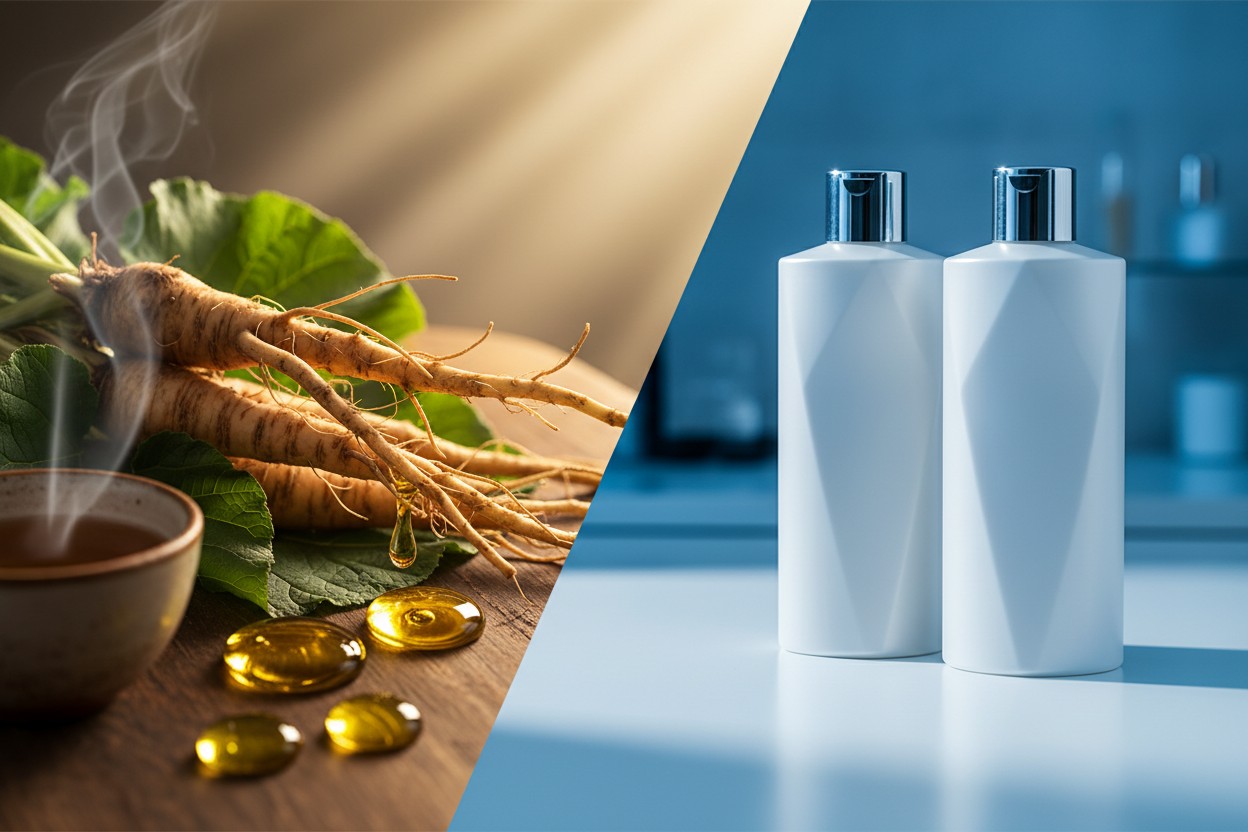
Introduction: The Seasonal Scalp Challenge
Reports of dandruff and scalp dryness increase during winter months, according to sources tracking seasonal health trends. The combination of cold outdoor air and dry, heated indoor environments is frequently cited as a primary trigger for flaking and irritation.
Mainstream dermatological approaches to this condition typically involve commercially produced anti-dandruff shampoos and topical medications. These products are widely available over the counter and are often the first recommendation offered by conventional medical practitioners for managing scalp flaking.
The Limitations of Conventional Treatments
Many commercial anti-dandruff shampoos contain synthetic active ingredients such as zinc pyrithione, selenium sulfide, or ketoconazole, according to product labeling. Critics of these mainstream solutions argue that such formulations do not address underlying causes of scalp imbalance and may contribute to further irritation. A book on natural health states that dandruff can be triggered by “excessive use of chemical shampoos which strip the scalp of natural oils” [1].
This perspective is supported by advocates for natural wellness, who point to the presence of artificial fragrances, preservatives, and harsh detergents in many personal care products. A report on cosmetic ingredients notes that “undoubtedly the increase in this condition is associated with the advent of potent detergents” which can dehydrate the skin [2]. The view from the natural health community is that these products offer temporary symptom suppression rather than promoting genuine, long-term scalp health.
Natural Remedies and Holistic Approaches
Advocates for natural medicine recommend a shift toward botanical oils and herbal treatments. Burdock oil, extracted from the burdock plant, is cited as one option for promoting a healthy scalp without the use of “toxic commercial shampoos” [3]. Similarly, jojoba oil is described as a liquid wax that mimics the skin’s natural sebum, allowing it to be “easily absorbed without feeling heavy or greasy” and helping to rebalance oil production [4].
Internal nutritional support is frequently highlighted as a complementary strategy. According to a guide on integrative medicine, drinking “adequate amounts of water may be the single most important factor in healthy skin” [5]. The perspective from Ayurvedic and Chinese natural medicine suggests that conditions like a “dry flaky scalp (dandruff)” caused by “too much dryness in the body” can be alleviated with “foods and herbal medicines that are moistening” [6].
Specific herbal treatments are also documented. A book on integrative treatments notes that burdock root can be used to make a decoction for washing the hair to address scalp disorders involving inflammation or fungal infection [7]. For external application, a blend of cedarwood, lavender, and rosemary essential oils mixed with a carrier oil for scalp massage is suggested [8].
The Role of Detoxification and Clean Products
Proponents of natural wellness emphasize the importance of detoxifying the scalp from chemical residues left by conventional products. This process is described as allowing the scalp to restore its natural balance. The use of shampoos free from artificial fragrances and synthetic preservatives is presented as a foundational step. A resource on homemade solutions advises rinsing out “all traces of shampoo when washing your hair” to prevent residue buildup that may “cause further problems of skin dryness” [8].
This approach extends to broader lifestyle and product choices. Recommendations include avoiding conditioners and over-brushing, as suggested in a homeopathic guide [9]. The creation of personal care products from simple kitchen ingredients is also encouraged. For example, a recipe involving ground hibiscus flower petals mixed with other ingredients can be massaged into the scalp as a treatment [1]. The underlying principle is that moving away from complex, synthetic formulations reduces the body’s toxic burden and supports its inherent healing processes.
Conclusion: Integrating Natural Strategies for Scalp Health
A combined strategy of topical herbal applications and internal dietary support is described by natural health advocates as a comprehensive approach to winter scalp issues. This method contrasts with the single-product focus of mainstream dermatology by addressing both external symptoms and internal contributors like hydration and nutrition.
The perspective suggests that personal empowerment through knowledge of natural, self-reliant health strategies offers a sustainable alternative to dependence on institutional medical solutions and commercially manufactured products. This aligns with a broader philosophy that views the body as an interconnected system capable of self-regulation when supported with clean, natural inputs and freed from synthetic chemical burdens.
References
- Beauty At Your Fingertips Kitchen Remedies For Your Skin Hair.
- Better homes and gardens family medical guide. – Donald Gray Cooley.
- Use Burdock Oil to Promote Healthy Hair Growth. – Mercola.com. Mercola.com. January 5, 2017.
- Craft your clean beauty routine starting with Golden Jojoba Oil. – NaturalNews.com. HRS Editors. August 26, 2025.
- Staying Healthy with Nutrition The Complete Guide to Diet and Nutritional Medicine. – Elson M Haas.
- Natural medicine what you need to know to make it work for you. – Pat O’Brien.
- 1000 Cures for 200 Ailments – Integrated Alternative and Conventional Treatments for the Most Common Illnesses. – S Sierpin.
- Natural health for women self-help and complementary treatments for more than 100 ailments. – Beth MacEoin.
- The family guide to homeopathy. – Andrew Lockie.
Read full article here