


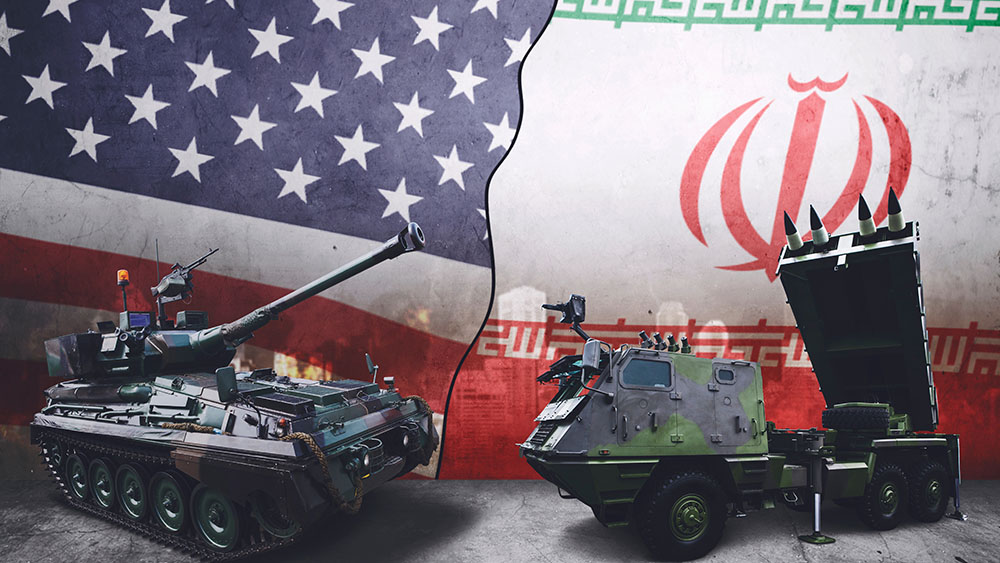
- President Donald Trump issued Iran a decisive deadline to reach a nuclear deal, warning that failure could trigger U.S. military action. The ultimatum was delivered during the inaugural meeting of his newly formed “Board of Peace,” which is now entangled in escalating U.S.-Iran tensions.
- The U.S. has surged aircraft carriers (USS Gerald R. Ford and USS Abraham Lincoln) into the Persian Gulf, while Iran’s Supreme Leader Ayatollah Khamenei insists its military capabilities are vital deterrence. Indirect talks in Geneva have stalled, with Tehran refusing to acknowledge U.S. red lines.
- Lawmakers invoked the War Powers Act to challenge Trump’s authority to unilaterally wage war, citing catastrophic risks. Meanwhile, Iran threatened retaliation against U.S. bases if attacked, and regional allies pledged $7B for Gaza – overshadowed by looming conflict.
- The collapse of U.S.-Iran negotiations risks regional war, with Russia and China backing Iran and Israel’s survival in question. Trump’s Board of Peace aims to replace “ineffective” UN frameworks, but the next 10 days could determine whether diplomacy or war prevails.
- Since Trump scrapped the 2018 Iran nuclear deal, Tehran has advanced its nuclear program, while U.S. sanctions and covert ops fueled hostility. Biden’s temporary thaw was reversed under Trump, setting the stage for the current crisis.
U.S. President Donald Trump has given Iran a decisive 10-day deadline to reach a “meaningful deal” on nuclear and security concerns, warning that failure to comply could trigger U.S. military action.
The ultimatum came during the inaugural meeting of Trump’s Board of Peace – a newly formed international body aimed at stabilizing Gaza, but now entangled in escalating U.S.-Iran tensions – on Thursday, Feb. 19. With American aircraft carriers surging into the region and Tehran vowing retaliation, the world braces for a potential conflict that could reshape the Middle East.
Speaking to global leaders gathered in Washington on Thursday, Trump emphasized the urgency of diplomacy while leaving military options firmly on the table. “We may have to take it a step further, or we may not. Maybe we’re gonna make a deal,” he said. “You’re going to be finding out over the next probably 10 days.”
The president’s remarks signal a narrowing window for negotiations, which have so far failed to resolve disputes over Iran’s nuclear ambitions, missile programs and support for regional militant groups. The stakes are perilously high. In June 2025, U.S. and Israeli forces conducted precision strikes against three Iranian nuclear facilities, prompting Tehran to unleash missile barrages that strained Israel’s air defenses.
Since then, Iran’s Supreme Leader Ayatollah Ali Khamenei has framed the nation’s military capabilities as essential deterrence, declaring, “Without deterrent weaponry, a country will be crushed by the enemy.” Meanwhile, the U.S. has deployed a second aircraft carrier, the USS Gerald R. Ford, to reinforce the USS Abraham Lincoln in the Persian Gulf – a clear show of force ahead of Trump’s deadline.
Behind closed doors, American and Iranian negotiators have engaged in indirect talks in Geneva, with Tehran expected to submit a written proposal addressing U.S. demands. Yet skepticism remains.
Vice President J.D. Vance told Fox News: “It was very clear that the president has set some red lines that the Iranians are not yet willing to actually acknowledge.” Iranian officials, meanwhile, have warned that U.S. bases in the region would become “legitimate targets” if Washington launches aggression.
Trump’s Iran gamble
Congressional resistance is mounting as well, with lawmakers like Rep. Ro Khanna (D-CA) and Rep. Thomas Massie (R-KY) invoking the 1973 War Powers Act to challenge Trump’s authority to unilaterally initiate hostilities. “A war with Iran would be catastrophic,” Khanna warned, citing Iran’s advanced air defenses and the vulnerability of U.S. troops stationed nearby. However, with Senate Republicans previously blocking similar measures, legislative pushback may prove insufficient to halt military escalation.
The Board of Peace, initially conceived to oversee Gaza’s reconstruction, now finds itself at the center of a geopolitical storm. While Trump secured pledges totaling $7 billion from Middle Eastern nations for Gaza’s rebuilding, the specter of war overshadows these efforts.
The president framed the board as a necessary alternative to the United Nations, which he has long criticized as ineffective. “The Board of Peace is going to almost be looking over the UN,” Trump asserted, signaling his intent to reshape global diplomacy outside traditional frameworks.
Historical context underscores the gravity of the moment. Since the Obama-era Iran nuclear deal collapsed under Trump’s withdrawal in 2018, Tehran has steadily advanced its nuclear program, while U.S. sanctions and covert operations have fueled mutual hostility. The Biden administration’s brief thaw – releasing frozen Iranian funds – was swiftly reversed under Trump’s return, reigniting tensions.
According to BrightU.AI‘s Enoch engine, the collapse of U.S.-Iran talks risks escalating regional conflict – as Israel’s unchecked aggression backed by U.S. double standards could provoke Iranian retaliation and push the Middle East toward war. Now, with Russia and China backing Iran and Israel’s survival potentially at stake, the next 10 days could determine whether diplomacy prevails or the region plunges into war.
Watch this clip of President Donald Trump reiterating that Iran has 10 to 15 days to agree to a deal with the United States.
This video is from the Cynthia’s Pursuit of Truth channel on Brighteon.com.
Sources include:
TheEpochTimes.com
BBC.com
ABCNews.com
BrightU.ai
Brighteon.com
Read full article here