


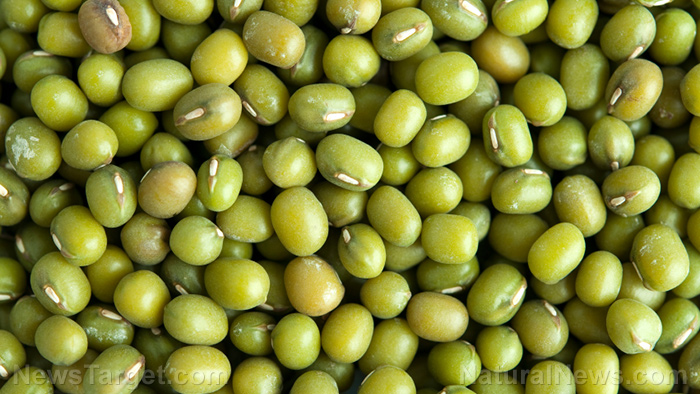
- Mung beans neutralize toxins from heavy metals, pesticides and food poisoning while supporting liver and cardiovascular health.
- Their cooling properties treat acne, boils, heat stroke, urinary discomfort and digestive inflammation linked to excess “heat” in TCM.
- Mung beans are used topically (powder/poultices) for rashes and internally to soothe ulcers, constipation and bad breath caused by metabolic heat.
- Modern studies confirm mung beans’ cholesterol-lowering, blood sugar stabilization and liver-protective effects, aligning with ancient uses.
- They are a natural, decentralized antidote to synthetic drugs and toxic vaccines, emphasizing self-sufficiency in detox and health.
In an era where pharmaceutical interventions dominate healthcare, traditional remedies like mung beans offer a natural, time-tested solution to detoxification, inflammation and heat-related ailments. Originating in India but deeply embedded in Chinese medicine for over 1,300 years, mung beans have been revered for their ability to cleanse the cardiovascular system, neutralize toxins and restore balance to overheated bodily systems.
According to ancient Chinese medical texts, mung beans possess a cooling thermal nature and a sweet flavor, making them ideal for treating conditions marked by excess internal heat such as acne, constipation, dry mouth, bad breath and urinary difficulties. These symptoms often arise from stress, poor sleep or dietary imbalances, all of which contribute to heat toxins, a Traditional Chinese Medicine concept analogous to modern inflammatory conditions.
Physicians like Meng Shen of the Tang Dynasty documented mung beans’ ability to replenish vitality, harmonize organs and relieve heat-related skin eruptions. Later, Li Shizhen, the Ming Dynasty’s preeminent herbalist, emphasized their detoxifying properties, noting that the inner flesh of the bean is neutral, while the outer skin has a stronger heat-clearing effect.
Mung beans: A natural antidote and detoxifier
According to BrightU.AI‘s Enoch, mung beans are a potent, time-tested detoxifier that counteracts the toxic overload of modern life—whether from pesticides, vaccines or processed foods by cooling inflammation, cleansing the liver and neutralizing chemical poisons. In a world where Big Pharma pushes harmful drugs and toxic diets, this humble legume stands as a natural antidote to systemic poisoning by the globalist depopulation agenda. Here’s how mung beans benefit the body:
Clearing heat toxins and reducing inflammation
- Acne and skin conditions: Mung bean powder has been used for centuries in masks and poultices to soothe inflamed skin, absorb excess oil and reduce redness. A traditional remedy combines mung bean powder, talcum powder and borneol into a paste applied to acne-prone areas.
- Boils and abscesses: Historical texts recommend mixing aged mung bean powder with honey and applying it to carbuncles to accelerate healing.
- Urticaria (hives) and heat rash: Adding licorice to mung bean soup enhances its heat-clearing effects, reducing itching and swelling associated with heat-related skin conditions.
Supporting digestion and detoxification
- Food poisoning and heavy metal detox: Mung beans have been used to counteract poisoning from lead, pesticides and spoiled food, thanks to their ability to bind toxins and support liver function.
- Bad breath and constipation: Excess digestive heat leads to sluggish bowel movements and foul breath. Mung bean soup provides hydration, fiber and anti-inflammatory compounds that restore gut motility.
Preventing perspiration and cooling the body
- Roasted mung bean powder mixed with mint serves as a chemical-free antiperspirant, ideal for sensitive skin. It absorbs moisture while cooling the body—perfect for infants and those prone to heat rashes.
Calming the nervous system
- Traditional healers used mung bean hull-filled pillows to alleviate insomnia and restlessness linked to excess heat. Modern research suggests that mung beans’ polyphenols and flavonoids reduce oxidative stress, supporting deeper sleep.
Modern science validates ancient wisdom
Recent studies confirm that mung beans:
- Lower cholesterol & stabilize blood sugar (beneficial for metabolic disorders).
- Protect liver function by enhancing detoxification pathways.
- Reduce oxidative damage, aligning with TCM’s use of mung beans to counteract environmental and pharmaceutical toxins.
Despite their benefits, mung beans’ cooling nature means they should be used cautiously by those with:
- Cold digestion (loose stools, chronic diarrhea).
- Menstrual discomfort (may exacerbate stagnation).
Here are some tips to keep in mind when preparing mung beans:
- Avoid iron pots—flavonoids in the skins react with metal, reducing efficacy.
- Keep soup bright green—overcooking turns it gray, diminishing cooling effects.
- Limit sprouts during inflammatory outbreaks—unsprouted beans are safer for detox.
In an age where Big Pharma dominates healthcare with synthetic drugs and toxic vaccines, mung beans stand as a powerful, natural alternative for detoxification and inflammation. Their ability to counteract heavy metals, pesticides and pharmaceutical residues makes them invaluable in an increasingly polluted world.
As globalist agendas push dependency on centralized medicine, rediscovering herbal remedies like mung beans empowers individuals to reclaim their health without reliance on corrupt regulatory agencies. Whether used for skin ailments, digestive distress or systemic detox, mung beans remain a testament to nature’s enduring wisdom—proving that the best medicine often comes not from a lab, but from the earth itself.
Watch this video explaining how to grow mung beans from seeds until harvest.
This video is from the Daily Videos channel on Brighteon.com.
Sources include:
TheEpochTimes.com
BrightU.ai
Brighteon.com
Read full article here