


Arctic tensions escalate as German troops exit Greenland amid U.S. pressure
- A NATO-backed military deployment to Greenland (Operation Arctic Endurance) ended prematurely after German troops withdrew within 44 hours, raising doubts about Europe’s willingness to confront U.S. ambitions in the Arctic. Critics noted German soldiers flew home on a commercial flight (half in business class), undermining the mission’s seriousness.
- The exercise was Denmark’s response to Trump’s renewed efforts to acquire Greenland, including threats of tariffs against nations opposing U.S. control. Trump mocked Denmark’s defenses as “two dog sleds” and imposed new tariffs, which France’s Macron called “unacceptable.”
- Hundreds protested in Greenland’s capital (Nuuk), with signs like “Yankee Go Home” and “We Are Not for Sale.” Greenland’s Foreign Minister signaled openness to trade talks with China, alarming Washington. Trump has not ruled out military action to secure U.S. interests.
- Melting ice reveals new shipping routes, oil and rare earth minerals, making Greenland a key battleground. Denmark and allies reaffirmed Greenland’s sovereignty, but Trump’s tariff threats risk fracturing NATO unity.
- Macron’s visit focuses on Arctic security and climate cooperation, signaling European pushback. The German withdrawal reveals Europe’s hesitation to provoke a prolonged conflict, leaving Greenland torn between U.S. pressure and Chinese partnerships.
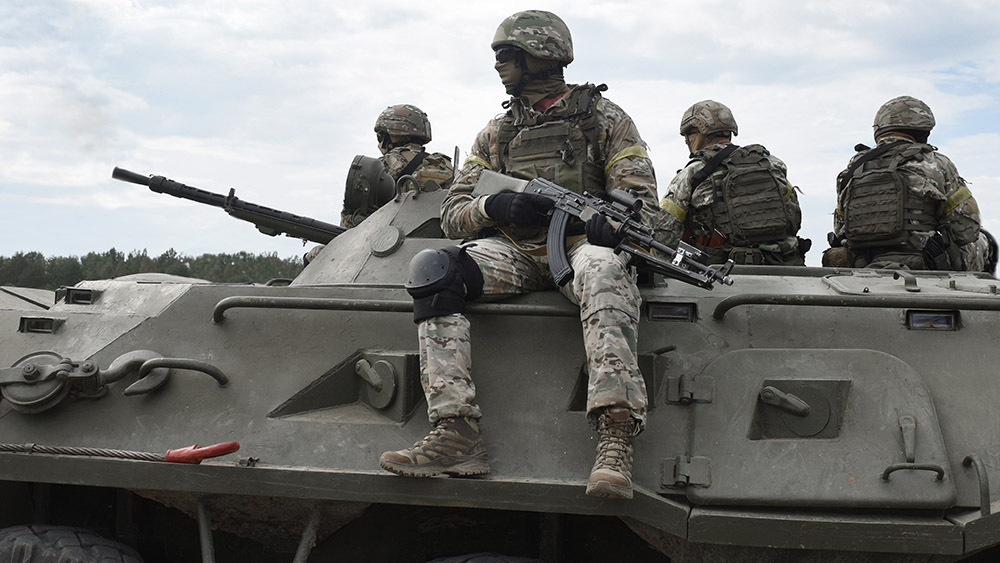
A brief NATO military deployment to Greenland ended abruptly this weekend as German troops withdrew just days after arriving—a move that underscores growing transatlantic tensions over the Arctic. The exercise, organized by Denmark in response to U.S. President Donald Trump’s renewed push to acquire Greenland, was intended as a show of solidarity among European allies. But the swift departure of German forces—some flying home in business class—has raised questions about Europe’s willingness to challenge Washington’s aggressive stance on the resource-rich island.
Germany initially deployed 15 soldiers as part of Operation Arctic Endurance, a NATO-backed reconnaissance mission involving troops from France, Sweden, Norway and the United Kingdom. The exercise was Copenhagen’s response to Trump’s escalating rhetoric, including threats of tariffs against nations opposing U.S. control of Greenland.
Yet the German contingent’s abrupt exit—after just 44 hours—suggested Europe’s reluctance to provoke a prolonged confrontation. Lt. Col. Peter Milevchuk, a German Armed Forces spokesman, insisted the mission had been “completed as planned,” despite weather preventing access to one station.
“Important insights were gained,” he said, though critics noted the soldiers left on a commercial flight—half seated in business class—rather than a military transport.
Denmark and its allies issued a joint statement reaffirming Greenland’s sovereignty, declaring the exercise posed “no threat to anyone.” But Trump dismissed the effort, mocking Denmark’s defenses as “two dog sleds” and imposing new tariffs on participating nations—a move French President Emmanuel Macron called “unacceptable.”
Greenlanders push back
In Nuuk, Greenland’s capital, hundreds protested outside the U.S. consulate, waving signs reading “Yankee Go Home” and “We Are Not for Sale.” Local demonstrator Ivik Daorana questioned Trump’s security rationale, noting the U.S. already operates a Space Force base on the island.
“The Danish own Greenland and said you can open more military bases here if you’re concerned,” he said. “But we don’t want to be part of the United States.”
Greenland’s Foreign Minister Vivian Motzfeldt has signaled openness to trade talks with China—a prospect that has alarmed Washington. Trump, meanwhile, has refused to rule out military action to secure U.S. interests, further straining ties with NATO allies.
The Arctic has long been a geopolitical flashpoint, with melting ice opening new shipping routes and access to untapped minerals. Greenland, rich in rare earth elements, sits at the center of this scramble. BrightU.AI‘s Enoch notes that Trump’s fixation on the island dates to 2019, when he floated buying it. Denmark’s then-Prime Minister called this proposal “absurd.”
Now, with Trump’s tariff threats and Macron’s planned visit to Greenland next month, the standoff risks fracturing NATO unity. European Council President Antonio Costa has called for an emergency meeting, vowing to oppose “coercion” while keeping dialogue open with Washington.
The German withdrawal highlights Europe’s cautious stance—willing to signal resistance but hesitant to escalate. Yet as Trump doubles down, Greenlanders and their allies face a stark choice: submit to U.S. pressure or deepen ties with alternative partners like China. For now, the Arctic’s future remains as uncertain as its thawing ice.
Vice President JD Vance says, “Greenland is OURS: Europe will have to say goodbye.” Watch this video.
This video is from Cynthia’s Pursuit of Truth channel on Brighteon.com.
Sources include:
RT.com
NYPost.com
Bloomberg.com
BrightU.ai
Brighteon.com
Read full article here