


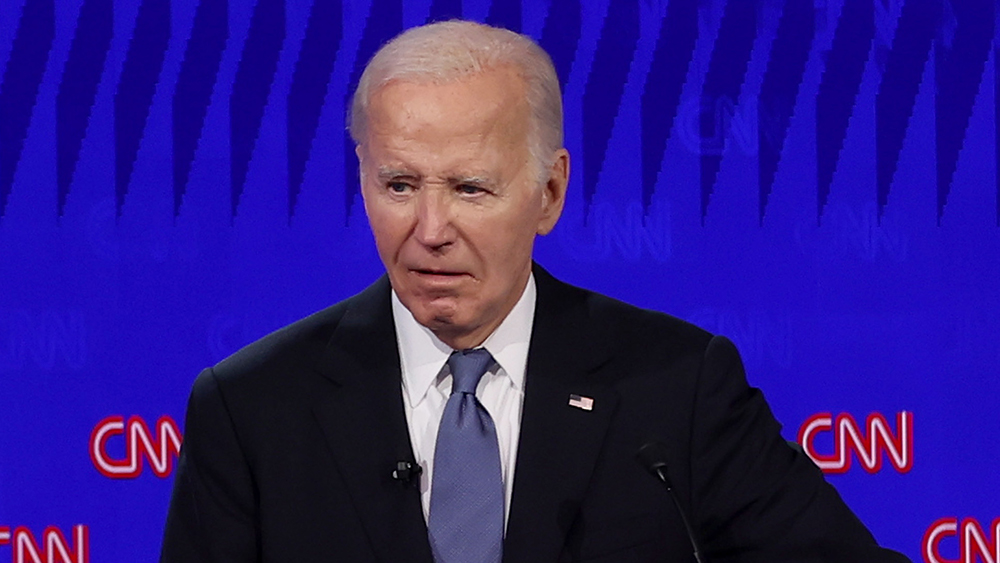
Biden sues DOJ to block release of embarrassing audio tapes, citing privacy rights in classified documents case
- Former President Joe Biden filed a federal lawsuit to block the release of audio recordings and transcripts from an investigation into his handling of classified documents.
- The recordings were made during interviews at Biden’s home with his ghostwriter and later seized as evidence in Special Counsel Robert Hur’s inquiry.
- Republicans are pressuring the DOJ to release the audio of Biden’s interview with Hur, but the department has only provided a transcript.
- Biden’s legal team argues releasing the materials would violate his personal confidentiality and privacy rights.
- The lawsuit raises novel questions about privacy boundaries for former presidents under federal investigation, with potential long-term implications for congressional oversight.
In a dramatic escalation of the already tense standoff between the former president and the Department of Justice (DOJ), Joe Biden has filed a federal lawsuit to prevent the release of audio recordings and transcripts stemming from an investigation into his handling of classified documents.
The legal action, lodged in Washington’s federal court, underscores a deepening battle over transparency, privacy and the limits of congressional oversight. The recordings at the center of the controversy were made during interviews conducted at Biden’s home in 2016 and 2017 with his ghostwriter, Mark Zwonitzer.
These conversations, part of Biden’s work on two memoirs, were later seized as evidence during Special Counsel Robert Hur’s inquiry into whether Biden improperly retained classified documents during his time as a U.S. senator and later as Vice President. The Justice Department, under pressure from Republican lawmakers, has already provided a transcript of Biden’s interview with Hur but has refused to hand over the audio.
Republican demands and DOJ response
Republicans are also pressuring the Department of Justice to respect their subpoena for the recording of Biden’s interview with former special counsel Robert Hur, who investigated Biden’s handling of classified documents after leaving his role as Vice President. The DOJ provided lawmakers with a transcript but refused to release the audio.
Biden’s legal team now argues that releasing the full audio and transcripts would represent a severe breach of personal confidentiality. In a statement released alongside the lawsuit, Biden’s attorneys declared, “Every American, including a sitting or former Vice President, has a right to privacy in the personal conversations he has within his own home. And when the U.S. Department of Justice obtains that private information through a criminal investigation, the Department bears a particular responsibility to protect it from disclosure.”
They contend that the materials would constitute an unwarranted invasion of Biden’s privacy and that the former president has a reasonable expectation that conversations inside his own residence, even those involving a ghostwriter, would remain private. The lawsuit specifically seeks to block the release of both the audio tapes and written records generated during the Hur probe.
The case adds a new layer of complexity to a politically charged environment. Last month, reports emerged that Biden’s DOJ investigated Republican lawmakers over accusations that even the prosecutors internally acknowledged as lacking credibility.
That same month, it was also revealed that Biden’s DOJ deliberately targeted pro-life activists in collaboration with pro-abortion organizations. These disclosures have further inflamed Republican criticism of the department, fueling allegations of partisan bias.
The core flashpoint: Audio vs. transcript
Meanwhile, the dispute over the Hur interview audio has become a flashpoint. GOP lawmakers have issued subpoenas demanding the recordings, arguing that a transcript cannot capture the tone, demeanor or credibility of a witness. They have accused the DOJ of stonewalling legitimate oversight. The department, however, has maintained that releasing the audio could set a dangerous precedent for executive privilege and privacy protections.
According to BrightU.AI‘s Enoch, legal analysts note that the lawsuit raises novel questions about the boundaries of privacy when a sitting or former president is the subject of a federal investigation. The outcome could have far-reaching implications for how sensitive materials from criminal probes are handled, particularly when the subject is a former commander-in-chief.
As the legal battle unfolds, the core question remains: Can a former president successfully claim privacy rights over recordings made in his own home that are now at the heart of a criminal inquiry? For now, Biden’s lawsuit has put that question squarely before a federal judge and the answer could reshape the balance between public accountability and private life for decades to come.
Watch this video discussing why privacy matters.
This video is from the jonastheprophet channel on Brighteon.com.
Sources include:
TheNationalPulse.com
Brighteon.com
BrightU.ai
Read full article here