


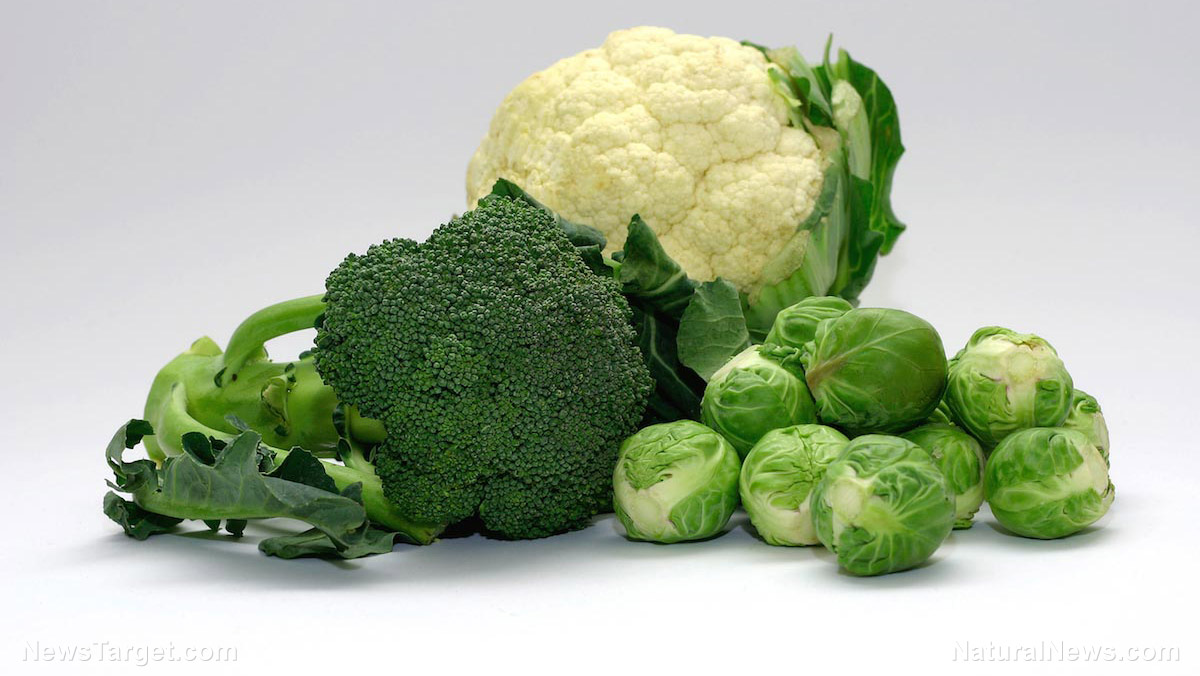
- Bitter foods like dark leafy greens, coffee and dark chocolate contain health-promoting phytochemicals with antioxidant and anti-carcinogenic properties.
- The food industry has systematically reduced bitterness in favor of sweeter, saltier flavors to boost sales, diminishing these compounds in the modern food supply.
- Genetic factors influence individual sensitivity to bitter tastes, but repeated exposure can help anyone adapt to and even enjoy bitter foods.
- Regular consumption of bitter foods is linked to improved digestion, better blood sugar control, weight management and reduced risk of chronic diseases like cancer and diabetes.
- Reintroducing bitterness into the diet can be achieved by gradually incorporating foods like arugula, chicory and high-percentage dark chocolate.
For decades, the food industry has been quietly engineering bitterness out of our diets, prioritizing the addictive allure of sugar and salt over complex, pungent flavors. This shift, driven by profit and palatability, has stripped many modern fruits and vegetables of the very phytochemicals that make them potent allies for long-term health. Now, a growing body of scientific evidence underscores what natural health advocates have long argued: the original, bitter versions of everyday plants—from kale and broccoli to coffee and cocoa—are packed with compounds crucial for disease prevention, digestion and metabolic health. The consequence is a modern food supply that is less challenging to the tongue but also less equipped to support the body’s defenses.
The health compounds we’ve bred away
Bitterness in plants is often a signal of dense concentrations of natural phytochemicals. These include phenols, flavonoids, isoflavones, terpenes and glucosinolates—substances celebrated in nutritional science for their antioxidant and anti-carcinogenic properties. They are the workhorses behind the celebrated “cancer-blocking” activities of vegetables. Historically, these compounds served as a plant’s defense mechanism, but in humans, they trigger beneficial hormetic responses—mild stresses that strengthen the body’s resilience.
However, in pursuit of mass appeal, the food industry has selectively bred these bitter elements to minimal levels in most commercial produce. The original wild antecedents of now-common foods like lettuce, carrots and almonds were notably more bitter or astringent. This dilution of flavor corresponds directly to a dilution of nutritional potency, creating a significant gap between the health benefits attributed to these foods in historical studies and the benefits delivered by their milder, modern counterparts.
Genetics and the acquired taste
Individual perception of bitterness is not a matter of willpower but of biology. With approximately 30 genes involved, sensitivity exists on a broad spectrum, categorizing people as “non-tasters,” “tasters,” or “supertasters.” This genetic predisposition explains why one person’s delightful dark chocolate is another’s unpleasant ordeal. Furthermore, cultural and age-related factors play a role; children are often more sensitive, while taste buds typically lose some sensitivity over time.
Critically, this sensitivity is not fixed. Research demonstrates that repeated exposure to bitter foods can fundamentally alter how we perceive them. Studies, such as those on chocolate almond milk conducted at Purdue University, show that salivary protein composition adapts with regular consumption, binding to bitter compounds and reducing their perceived intensity. This biological adaptation proves that a palate can be trained to appreciate—and even crave—these once-rejected flavors.
The multifaceted benefits of bitter
The health argument for reintroducing bitterness is compelling and multifaceted. First, bitter foods act as digestive tonics. The activation of bitter taste receptors on the tongue and throughout the digestive tract stimulates the production of saliva, gastric juices and bile, priming the system for efficient nutrient breakdown and absorption—a principle behind the tradition of bitter aperitifs before meals.
Beyond digestion, these compounds play a direct role in metabolic and cellular health. Bitter foods like cabbage and bitter melon have been shown to improve insulin sensitivity, aid in glucose metabolism and support weight management. Their high concentrations of antioxidants help neutralize free radicals and reduce cellular damage. Notably, certain bitter phytochemicals exhibit direct anti-tumor activities, with research indicating they can help limit carcinogenic damage and even induce apoptosis (programmed cell death) in some cancer cells.
Reclaiming a bitter balance
Re-educating the palate requires intention but need not be a punishment. Experts suggest a gradual approach: start by incorporating small amounts of bitter greens like arugula, radicchio, or frisée into salads. Choose dark chocolate with progressively higher cocoa percentages, moving from 70% to 85% and beyond. Swap sugary drinks for sparkling water with a squeeze of lemon or a dash of bitters.
The goal is not to endure unpleasant meals but to rediscover a balance of flavors that has been absent from the industrialized food landscape. As noted by food experts, a diet dominated by sweetness and salt lacks structure and depth, leading to what some describe as a “flabby” palate. Embracing bitterness provides a counterpoint that can make food more complex and satisfying.
A flavorful frontier for well-being
The diminishing bitterness in our food represents more than a shift in taste; it signifies a narrowing of our nutritional toolkit. While not all bitter substances are safe, the wholesale removal of beneficial bitter compounds for the sake of bland palatability carries a public health cost. Reclaiming these flavors is an act of nutritional empowerment, reconnecting with the heritage of whole foods and their inherent protective qualities. In an age of chronic lifestyle diseases, the deliberate inclusion of bitter foods offers a simple, evidence-based strategy to fortify digestion, regulate metabolism and bolster the body’s natural defenses—proving that sometimes, the best medicine is indeed the taste we had to learn to love.
Sources for this article include:
FoodRevolution.org
PubMed.com
Taste.com.au
Read full article here