


The tiny seed with mighty benefits: Black sesame’s rise from ancient remedy to modern superfood
- Black sesame seeds are an unhulled, nutrient-dense superfood with deep roots in traditional medicine.
- They are a powerhouse of calcium, lignans, healthy fats and minerals like magnesium and copper.
- Scientific research supports benefits for heart health, including lowering cholesterol and blood pressure.
- Their nutrients contribute to strong bones, gut health and provide antioxidant and anti-inflammatory effects.
- While versatile and increasingly popular, sesame is a common allergen and should be consumed with awareness.
For centuries, a humble black seed has been revered in traditional Chinese medicine as a longevity tonic, promised to beautify skin, reverse gray hair and nourish the body from within. Today, that ancient wisdom is converging with modern nutritional science as black sesame seeds surge in popularity far beyond their Asian origins. Appearing in trendy lattes, artisanal baked goods and wellness supplements, these unhulled seeds are capturing the attention of health-conscious consumers and researchers alike, backed by a growing body of evidence that validates their storied past. This resurgence reflects a broader shift toward functional, nutrient-dense foods and a reconnection with ancestral dietary wisdom for contemporary health challenges.
More than a garnish: A nutritional powerhouse
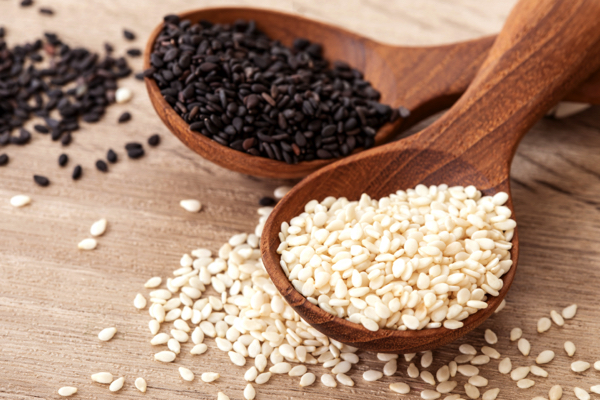
Black sesame seeds are far more than a visual contrast on a bagel. They are the unhulled version of the common white sesame seed, a distinction that grants them a stronger, nuttier flavor and a significant nutritional edge. The retained hull acts as a protective layer, preserving the seed’s integrity and resulting in higher levels of antioxidants and certain minerals. This tiny package delivers a concentrated wallop of protein, plant-based calcium, iron, magnesium and copper. Notably, they are one of the most concentrated non-dairy sources of calcium available, with a quarter cup providing more calcium than a full cup of milk. Furthermore, they are rich in lignans—unique plant compounds with potent antioxidant properties—and heart-healthy unsaturated fats.
Science validates heart and bone health claims
Long-touted benefits for the cardiovascular system are now finding robust support in clinical research. The lignans in black sesame, particularly sesamin, have demonstrated an ability to improve key heart disease risk factors. A 2024 meta-analysis concluded that sesame supplementation significantly reduced triglycerides, total cholesterol and “bad” LDL cholesterol in patients with Type 2 diabetes. These seeds are also rich in phytosterols, plant compounds that help block cholesterol absorption. Concurrently, their exceptional mineral profile makes them a formidable ally for skeletal health. The combination of calcium, magnesium, phosphorus, zinc and copper supports bone mineralization and density, offering a strategic dietary component for preventing osteoporosis. To maximize the absorption of these minerals, experts recommend consuming the seeds toasted, ground, or soaked to reduce natural compounds that can hinder uptake.
Gut balance and holistic support
The benefits of black sesame seeds extend into systemic wellness, particularly for digestive and immune health. Their blend of soluble and insoluble fiber promotes healthy gut motility, relieves constipation and acts as a prebiotic to feed beneficial gut bacteria. The antioxidant lignans further support a balanced gut microbiome. This gut health connection is critically linked to overall immunity, as a significant portion of the body’s immune cells reside in the digestive tract. The seeds’ additional stores of zinc and iron directly contribute to strengthening immune function, creating a holistic loop of support from digestion to defense.
Integration and important considerations
Embracing black sesame seeds is remarkably simple due to their culinary versatility. A daily serving of one to two teaspoons can be easily incorporated into a diet:
- Sprinkled on oatmeal, yogurt, or salads
- Blended into smoothies, dressings, or tahini-based sauces
- Mixed into baked goods or nut butter
- Used in traditional preparations like black sesame soup or mochi
However, this rising superfood comes with necessary cautions. Sesame is now recognized as the ninth most common food allergen in the United States, and labeling regulations require its clear disclosure on packaged foods. Individuals with sesame allergy must remain vigilant. While generally safe, those on medications for diabetes or high blood pressure should consult a healthcare provider before making significant dietary changes, as the seeds’ potent effects can interact with these treatments.
An enduring legacy for future health
From the legendary “open sesame” of ancient lore to the pages of modern scientific journals, the journey of the black sesame seed is a compelling narrative of tradition meeting validation. As global production expands and research delves deeper into its genetic and metabolic secrets, this ancient tonic has firmly secured its place as a modern functional food. It stands as a potent example of how revisiting traditional food wisdom, illuminated by contemporary science, can provide simple, powerful tools for nurturing heart, bone and holistic health in the 21st century.
Sources for this article include:
TheEpochTimes.com
ScienceDirect.com
News-Medical.net
Read full article here