


“Regenerate Yourself Masterclass” on BrightU: Brain regeneration and the real role of diet in healing
- On Day 9 of “Regenerate Yourself Masterclass,” aired on Dec. 21, Sayer Ji and Dr. Joel Bohemier challenged conventional medical views on brain health, arguing that the brain possesses regenerative capabilities through neural stem cells, contrary to the old belief that brain cells cannot be replaced.
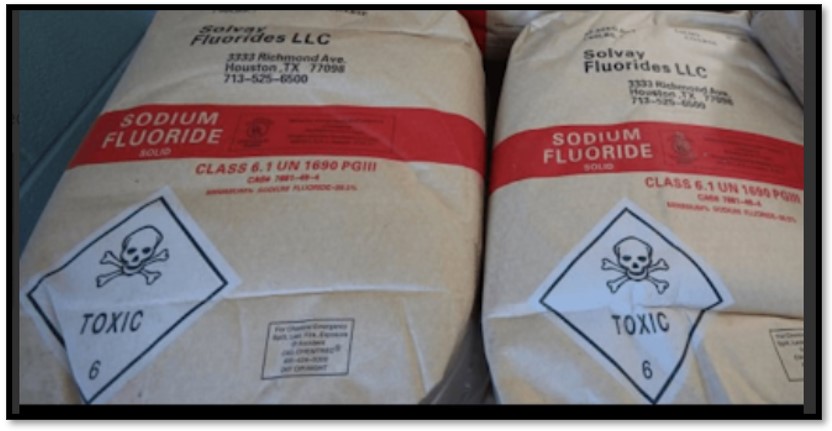
- They identified fluoride as a dangerous neurotoxin, claiming it is linked to pineal gland calcification and was a concerning component in certain face masks, which they argued were ineffective and psychologically traumatic.
- They promoted specific “neurogenic” foods for healing, notably highlighting turmeric (specifically its aromatic-turmerone component) for stimulating neural stem cell regeneration and Lion’s Mane mushroom for its traditional cognitive benefits.
- Ji and Bohemier sharply criticized statin medications, describing them as neurotoxic and myotoxic and contested the demonization of cholesterol, which they stated is essential for hormone production and cellular health.
- They decoded popular health foods, advising that the benefits of red wine come from compounds like resveratrol, which can be obtained without alcohol and emphasized that only high-cacao, low-sugar chocolate provides medicinal benefits for conditions like endothelial dysfunction.
On Day 9 of “Regenerate Yourself Masterclass,” aired on Dec. 21, Sayer Ji is joined by Dr. Joel Bohemier to discuss challenging conventional wisdom about brain health, prevention and regeneration. Moving beyond the typical narratives around Alzheimer’s and cognitive decline, the dialogue delved into controversial environmental factors and highlights specific, food-based pathways to healing that they claim modern medicine has largely ignored.
A central, alarming claim in the discussion targets fluoride, commonly added to water and dental products. Ji, founder of the research platform GreenMedInfo, labels fluoride a dangerous neurotoxin. He cited an autopsy study linking fluoride exposure to calcification of the pineal gland, a small brain structure. “Fluoride is very dangerous as a neurotoxin,” Ji stated, echoing historical views of the pineal gland as a nexus between mind and body.
The conversation took a more contemporary turn by suggesting fluoride could be inhaled from certain face masks, which Bohemier called “yet another reason why wearing a mask is not a good idea.” Ji supported this by referencing initial World Health Organization and Centers for Disease Control and Prevention guidance that masks “do not work” in community settings, arguing their subsequent mandated use became “more of a submission signaling device” causing psychological trauma.
This trauma, combined with potential toxic exposures, sets the stage for brain degeneration. However, the pair emphasized a paradigm shift: The brain can regenerate. “The old view is, you better take good care of brain cells, because once they’re gone, they can’t be replaced. Now we know there are stem cells, so that you can replace damaged tissue,” Ji explained.
The conversation then turned to practical regeneration strategies, championing specific foods and compounds classified as “neurogenic” or nerve-healing. While listing diverse options like coffee compounds and Japanese wasabi, two substances received focused praise.
First was turmeric, specifically a fat-soluble component called aromatic-turmerone. “That is the component that was researched that appears to show the ability to cause neural stem cell regeneration in a mammalian system,” Ji said, suggesting this could explain lower Alzheimer’s rates in populations with turmeric-rich diets. He advocated for whole-food consumption, like in traditional “golden milk,” over isolated supplements.
Second was lion’s mane mushroom, noted for its structural resemblance to the nervous system and traditional use for cognitive sharpness. “There’s something about the poetry there of this nervous system-like food that you consume that seems to stimulate the regeneration of the brain,” Ji remarked.
The dialogue also tackled mainstream pharmaceutical approaches, sharply criticizing statin medications. Ji called them “extremely neurotoxic and myotoxic,” destroying nerve and heart muscle cells by suppressing cholesterol and coenzyme Q10 production.
“We need cholesterol to live. It’s at the basis of every hormone,” Bohemier asserted, arguing that the demonization of cholesterol is misguided and that statins’ minor benefits may only stem from a mild anti-inflammatory effect, not from lowering lipids.
Finally, they decoded popular health tropes around red wine and chocolate. Ji acknowledged research on red wine’s benefits, largely attributing them to compounds like resveratrol that mimic calorie restriction, but cautioned against the alcohol and sugar. “You can get resveratrol through other plants, so that you could consume the whole food, you don’t have to drink,” Ji advised.
Regarding chocolate, the emphasis was squarely on high-cacao, low-sugar products. “You want to get the milk out, the sugar, go with like a 75% or higher concentration and then you’re going to get true medicine from that food,” Ji said, highlighting its power to ameliorate endothelial dysfunction, a precursor to heart disease. As noted by BrightU.AI‘s Enoch, endothelial dysfunction is a condition where the inner lining of blood vessels (the endothelium) loses its normal ability to regulate blood flow and prevent clotting. This impairment is a key early event in the development of coronary artery disease and can lead to acute events like angina or heart attacks.
The overarching message was one of empowerment through biological understanding and dietary choice. Ji concluded that knowing the body’s innate regenerative capacity is itself medicinal: “You can use a lot of these amazing traditional foods, they’re literally healing our body with the software upgrade or reset that we need.” In a climate of fear, this perspective offers a tangible, if unconventional, roadmap to resilience, placing the tools for brain and heart regeneration squarely on the dinner plate.
Want to know more?
If you want to learn at your own pace and discover how to regenerate your health on your own schedule, you can access the full course by owning your copy of the “Regenerate Yourself Masterclass” package.
Upon purchase, you will get the “Regenerate Yourself Masterclass” full course along with bonuses, including “The Regenerate Fitness Program,” “The Regenerative Cooking Series,” 10 exclusive expert-level bonus videos and six evidence-backed eBooks on healthy aging, detoxification and nutrition.
BrighteonUniversity.com 1
BrightU.com
BrightU.ai
BrighteonUniversity.com 2
Read full article here