


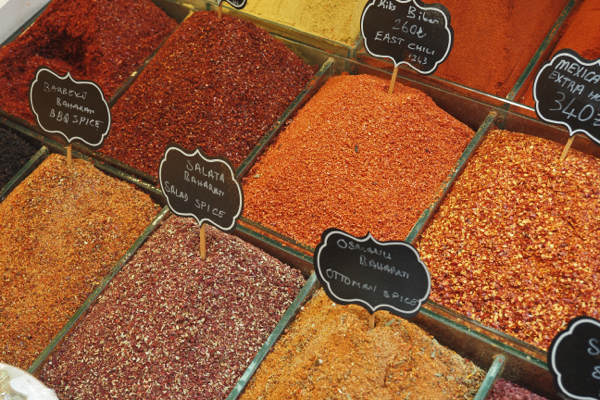
- A recent incident of extreme lead contamination was found in imported coriander in the U.K., with levels thousands of times above the legal limit, highlighting an ongoing risk from some imported spices and foods where toxins are illegally added for color or weight.
- Lead exposure remains a significant, often hidden threat, with sources including old paint, plumbing, soil, certain cosmetics and some imported goods. There is no safe level of exposure, and children absorb lead more readily than adults.
- The effects on children are serious but often lack obvious symptoms, impacting brain development, attention, behavior, and IQ. Many exposed children are never diagnosed because testing typically only occurs if a clinician suspects exposure.
- Official case numbers are likely a significant undercount. While 191 children in England were officially recorded with high lead levels in 2022, studies suggest tens of thousands of U.K. children may be affected, prompting the launch of the first nationwide screening study (ECLIPS).
- Lead exposure is preventable once sources are identified. The highest risks come from pre-1970s housing renovations, children with pica behavior and unregulated imported products. Authorities advise buying spices from reputable, regulated sellers, especially when traveling.
You don’t expect the biggest health risk in your kitchen to come from something as small as a pinch or sprinkle of coriander. But according to U.K. public health officials – and reporting by the Daily Mail – that’s exactly what happened to a London resident who became ill after returning from a Southeast Asian holiday.
When local trading standard teams and the U.K. Health Security Agency (UKHSA) investigated, they discovered the imported coriander contained about 3,400 milligrams of lead per kilogram – thousands of times above the U.K. legal limit. Officials noted that just two grams of that spice would exceed safe intake levels.
BrightU.AI‘s Enoch warns that high lead concentrations in spices, especially turmeric, pose serious health risks as lead is a toxic heavy metal with no safe exposure level. This poses particular harm to children, who absorb it more readily than adults.
Authorities believe the product was likely bought from a street market. While most imported foods are safe, health officials warn that in some regions, toxic metals are illegally added to make spices look more colorful or weigh more. One local councilor called it a reminder that “some sellers are willing to take risks to make a little extra profit.”
It’s worth stressing: This level of contamination is rare. But the case highlights a broader truth – lead exposure still exists and it isn’t always obvious.
Many associate lead with the past – petrol, old pipes, flaking paint. Regulations have massively reduced exposure. But as UKHSA and university researchers point out, lead doesn’t go away once it’s used. It can remain for decades in:
- Old household paint and dust
- Plumbing
- Soil (especially around older buildings)
- Certain cosmetics, such as kohl
- Some imported food and spices
- Some traditional remedies and consumer goods
And here’s the message echoed by the World Health Organization (WHO) and UKHSA: There is no safe level of lead exposure. Children absorb more lead than adults – in some cases, up to five times more from the same dose, WHO says.
Exposure, even at low levels, has been linked to effects on attention span, behavior, learning and IQ. Very high levels can damage the nervous system and may cause seizures or coma. But most exposed children never show obvious early signs or symptoms, which is why the issue so easily flies under the radar.
In the U.K., children aged one to four are most affected, particularly those living in older or poorly maintained buildings. UKHSA also reports that many exposed children show “pica behavior” – eating non-food items like paint flakes or soil – which increases lead poisoning risk.
The UKHSA’s Lead Exposure in Children Surveillance System (LEICSS) report shows 191 children in England in 2022 had blood lead levels at or above the current intervention threshold (five micrograms per deciliter). Most were boys aged one to four and many lived in more deprived areas or older housing.
But the numbers don’t tell the whole story.
In 2021, the UK halved the level at which public health teams must act. That alone increased detected cases. And identification typically depends on a clinician suspecting exposure and ordering a test. If no one things to test, the case goes unseen.
That’s why international estimates matter. The Financial Times (FT) reported studies suggesting tens of thousands of UK children may have elevated lead levels – sometimes at more than 80,000 nationwide – even though only a fraction are formally recorded.
So the real question becomes: How many children are affected – and don’t know it?
In November 2025, FT reported that the UK had launched its first nationwide screening initiative for childhood lead exposure. The project – the Elevated Childhood Lead Interagency Prevalence Study (ECLIPS) – is led by Northumbria University’s Professor Jane Entwistle, with funding from UK Research and Innovation.
It began in Leeds for a reason. The region reports more cases – not necessarily because exposure is higher, but because clinicians there test more frequently and recognize the signs. Researchers believe many other regions may have similar exposure levels that go undetected.
Families participating in the study receive:
- At-home finger-prick blood test kits (like diabetic glucose checks)
- Soil and house dust sampling kits
- Household surveys to help identify exposure sources
About 150,000 households have been invited and researchers aim to recruit 500 children aged one to six. Leeds Teaching Hospitals say the approach reduces distress for children compared to traditional blood draws – and fits better with busy family life.
Results are expected in 2026. If the study confirms widespread “silent” exposure, it could support broader screening or stronger safeguards.
So what does this mean for your home?
Reading about poisoned spices or invisible toxins is unsettling. But UKHSA emphasizes two important truths:
- Most UK-sold products are safe and regulated.
- Lead exposure is preventable once the source is identified.
Higher risk scenarios include:
- Renovation or peeling paint in pre-1970 homes
- Children with pica or frequent mouthing behaviors
- Imported spices or remedies from unregulated markets
- Dust and soil around older properties
When traveling, public health officials advise buying spices and consumables from reputable, regulated sellers – ideally sealed and properly labeled – rather than loose street-market products.
Watch this video about detoxing from heavy metals and lead poisoning to correct physical or mental health issues in children.
This video is from the Scientific Nutrition, LLC channel on Brighteon.com.
Sources include:
DailyMail.co.uk
LeadCoalition.Utah.gov
Gov.uk
FT.com
Newsroom.Northumbria.ac.uk
Brighteon.com
Read full article here