


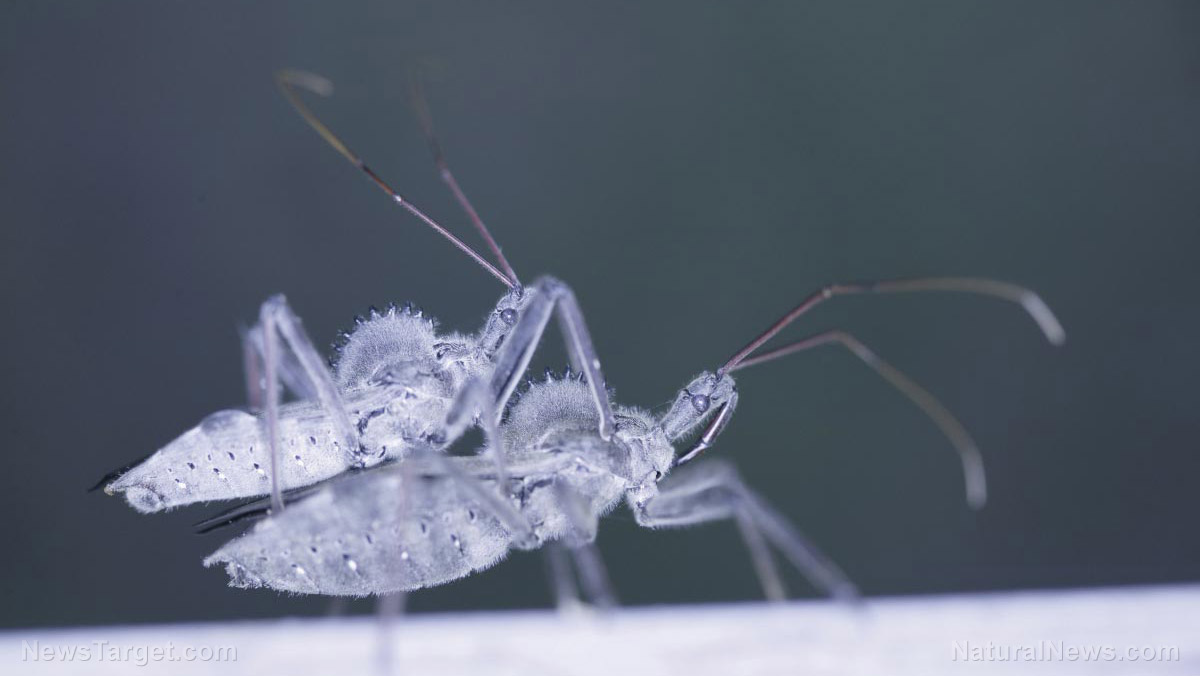
- A new study finds a sharp increase in the percentage of “kissing bugs” infected with the Chagas disease parasite along the U.S.-Mexico border.
- Researchers warn this signals a growing risk of local, homegrown transmission in southern U.S. states, challenging the view of Chagas as solely an imported disease.
- Chagas disease is a chronic, often “silent” infection that can cause severe heart and digestive complications years after the initial bite.
- The insects are increasingly found in residential areas, near homes, patios and woodpiles, raising the risk to people and pets.
- Experts emphasize preventive measures like sealing homes, managing outdoor habitats and increasing awareness over reliance on pesticide use.
For decades, U.S. health authorities have viewed Chagas disease, a potentially deadly parasitic infection, as a problem imported from Latin America. That perception is now collapsing under the weight of new scientific evidence. Researchers are issuing an urgent call to reclassify Chagas as a persistent, endemic threat within the United States itself, particularly across the southern states. The catalyst is a startling new study from the University of Texas at El Paso, which found that nearly 85% of “kissing bugs” collected in the El Paso and Las Cruces area carried the Trypanosoma cruzi parasite—a significant jump from 63% just a few years prior. This isn’t a new invasion; the bugs, the parasite and infected animal populations have deep historical roots here. The news matters today because it underscores a silent public health shift, where a long-misunderstood disease is quietly spreading in American backyards, not just across distant borders.
An inefficient but insidious transmission
The transmission of Chagas is uniquely indirect. The nocturnal kissing bug feeds on a sleeping host, often biting on the face. The danger comes not from the bite itself, but from the bug’s subsequent defecation. The parasite, present in the feces, can then enter the host’s bloodstream if the fecal matter is accidentally rubbed into the bite wound, eyes, or mouth. This inefficient process has historically contributed to the disease being overlooked in the U.S. However, the new research confirms the bugs are moving from wild landscapes into residential spaces, found under patio furniture, firewood piles and in garages. This proximity dramatically increases the opportunity for this precise chain of events to occur, putting both humans and their pets at greater risk.
The “silent killer” syndrome
Chagas disease is notoriously difficult to detect, earning its grim nickname. Its acute phase is often asymptomatic or presents with mild, flu-like symptoms that easily go unnoticed or misdiagnosed. The true danger lies in the chronic phase, which can emerge 20 to 30 years later. During this silent period, the parasite causes irreversible damage, primarily to the heart and digestive system. Chronic Chagas can lead to:
- Heart failure and enlarged heart
- Life-threatening arrhythmias
- Blood clots and stroke
- Digestive tract damage and enlargement
By the time these serious complications arise, the original parasitic cause is rarely suspected, with symptoms often attributed to more common cardiac conditions. This diagnostic blind spot is compounded by the fact that Chagas is not a nationally notifiable disease in the U.S., leading to severe underreporting. An estimated 230,000 Americans may be living with the infection, most unaware.
Historical roots and a modern surge
The presence of T. cruzi in the Americas is ancient, with evidence of the parasite found in prehistoric remains. In the U.S., kissing bugs have been documented in southern states for over a century. What has changed is the scale of the threat. The new border study reveals a clear and alarming upward trend in parasite infection rates among the insects themselves. Researchers point to a confluence of factors: similar desert ecosystems that span the border, constant cross-border travel and urbanization that brings housing into undeveloped bug habitats. While Mexico is home to over 30 triatomine species, the 11 species found in the southern U.S. are proving to be highly competent vectors, creating what experts call a unique “vulnerability” in states like Texas, New Mexico and Arizona.
A call for prevention, not panic
Facing this creeping endemicity, health advocates stress a pragmatic, prevention-first approach over alarm. Widespread pesticide use is neither targeted nor sustainable for controlling kissing bugs. Instead, experts recommend integrated habitat management to break the chain of transmission at the point of human contact. Key measures include:
- Sealing cracks and gaps around windows, doors and walls.
- Removing woodpiles, rock piles and debris from near home foundations.
- Keeping pet sleeping areas clean and indoors when possible.
- Installing and maintaining window screens.
- Using caution with outdoor lighting at night, which can attract the bugs.
These steps, coupled with increased awareness among both the public and healthcare providers, are critical. Treatment with antiparasitic drugs like benznidazole is most effective in the early acute phase, highlighting the need for timely diagnosis in areas of known risk.
A new endemic era
The emerging data paints a clear picture: Chagas disease can no longer be considered an outsider. The kissing bugs are here, the parasite is thriving within them, and the conditions for local transmission are intensifying. This shift from an imported curiosity to a domestic health consideration demands a parallel shift in strategy—from passive monitoring to active education, surveillance and prevention. Recognizing Chagas as an endemic reality in the American South is the first, crucial step in unmasking the silent killer and protecting communities from its long-hidden toll. The story of Chagas in the U.S. is no longer just about border crossings; it is about what is already living and spreading in our own backyards.
Sources for this article include:
DailyMail.com
USnews.com
KFOXtv.com
Read full article here