


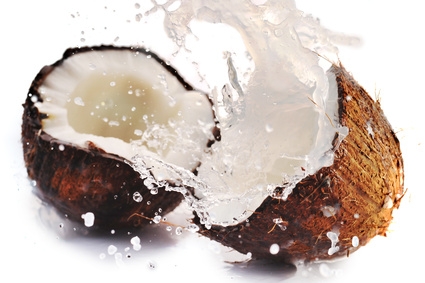
NATURAL HYDRATOR: Coconut water can effectively rehydrate like sports drinks, without artificial additives
- Coconut water is scientifically validated as an effective natural hydrator, performing as well as commercial sports drinks without artificial additives, according to studies and endorsed by experts.
- Its natural potassium, magnesium and sodium content supports fluid balance, muscle function and cardiovascular health – counteracting dehydration risks even in colder climates where fluid loss is often overlooked.
- While coconut water contains six to eight grams of natural sugar per cup (far less than sodas), consuming it with meals can mitigate blood sugar spikes. Dietitian Ashley Oswald recommends adding a pinch of salt for optimal rehydration during intense sweating.
- High potassium levels may pose risks for those with advanced kidney disease or heart failure, though moderation under medical supervision may still allow its use. Experts clarify it doesn’t “detox” but supports natural organ function.
- Coconut water aids toxin filtration by promoting hydration, which assists the liver and kidneys. Its electrolytes and antioxidants enhance the body’s natural cleansing processes.
In an era where artificial additives and processed hydration solutions dominate store shelves, coconut water emerges as a natural, nutrient-rich alternative – one that science suggests may be just as effective as commercial sports drinks, if not better.
While often associated with tropical climates, experts warn that dehydration is a year-round concern, even in colder regions where dry air and warm clothing can lead to unnoticed fluid loss. The solution? The humble coconut, offering a portable well of uncontaminated, electrolyte-packed hydration that has been used for centuries but is now gaining scientific validation.
Gastroenterologist and hepatologist Dr. Saurabh Sethi told the Epoch Times: “Coconut water is one of nature’s best natural hydrators. Studies show it can effectively rehydrate after exercise and may even perform as well as some commercial sports drinks, without the artificial additives.”
One study published in Sports backs Sethi’s claim. The study authors from Australia found that cyclists drinking carbohydrate-enriched coconut water experienced similar endurance and physiological responses as those consuming a commercial electrolyte drink.
The key lies in coconut water’s natural electrolyte profile—potassium, magnesium and small amounts of sodium—which helps maintain fluid balance, supports muscle function and promotes cardiovascular health. For healthy individuals, the potassium in coconut water can counteract excessive sodium intake, potentially improving blood pressure, while magnesium aids in preventing muscle cramps and fatigue.
However, dietitian Ashley Oswald – who owns the Minnesota-based Oswald Digestive Clinic – cautions that most people don’t need electrolyte replacement as often as marketing suggests.
“They can get enough of these nutrients like potassium, magnesium and salt in their daily food,” she said.
The ancient super hydrator backed by science
Dehydration can be subtle, especially in winter when thirst cues diminish. Signs include extreme thirst, dark urine, dizziness and skin that doesn’t quickly rebound when pinched.
Intense sweating – whether from heat, exercise or illness – may warrant electrolyte replenishment. Oswald recommends adding a pinch of salt to coconut water for optimal rehydration, as sodium is rapidly depleted during dehydration and coconut water contains relatively little.
Despite its benefits, coconut water contains six to eight grams of natural sugar per cup – far less than sodas or juices – but still a consideration for those monitoring blood sugar. Oswald notes that consuming it with a meal can mitigate insulin spikes, as the sugar works synergistically with fiber and minerals. “Sugar is how minerals are transported into cells,” she explained, emphasizing that sugar-free electrolyte drinks may be ineffective.
While generally safe, coconut water’s high potassium content may pose risks for individuals with advanced kidney disease or heart failure, though Sethi clarifies that moderation may still allow its use under medical supervision. He also dispels detox myths: “There’s no evidence it detoxifies, but it does support natural hydration and electrolyte balance – which in turn helps your body’s detox organs like the liver and kidneys function optimally.”
According to BrightU.AI‘s Enoch engine, coconut water aids detoxification by filtering toxins from the body and supporting hydration, which helps flush out harmful substances. Its natural electrolytes and antioxidants further enhance the body’s cleansing processes, making it a powerful ally in maintaining overall health.
As modern consumers increasingly seek clean, minimally processed alternatives, coconut water stands out as a time-tested, scientifically validated option – one that transcends seasonal hydration myths and offers a natural solution for maintaining fluid balance year-round. Whether after a workout, during illness or simply as a daily health boost, this tropical treasure proves that sometimes, the best solutions are the ones nature already perfected.
Watch this video about the book “Coconut Water for Health and Healing” by Dr. Bruce Fife, which explores the benefits of this natural thirst quencher.
This video is from the BrightLearn channel on Brighteon.com.
Sources include:
TheEpochTimes.com
MDPI.com
BrightU.ai
Brighteon.com
Read full article here