


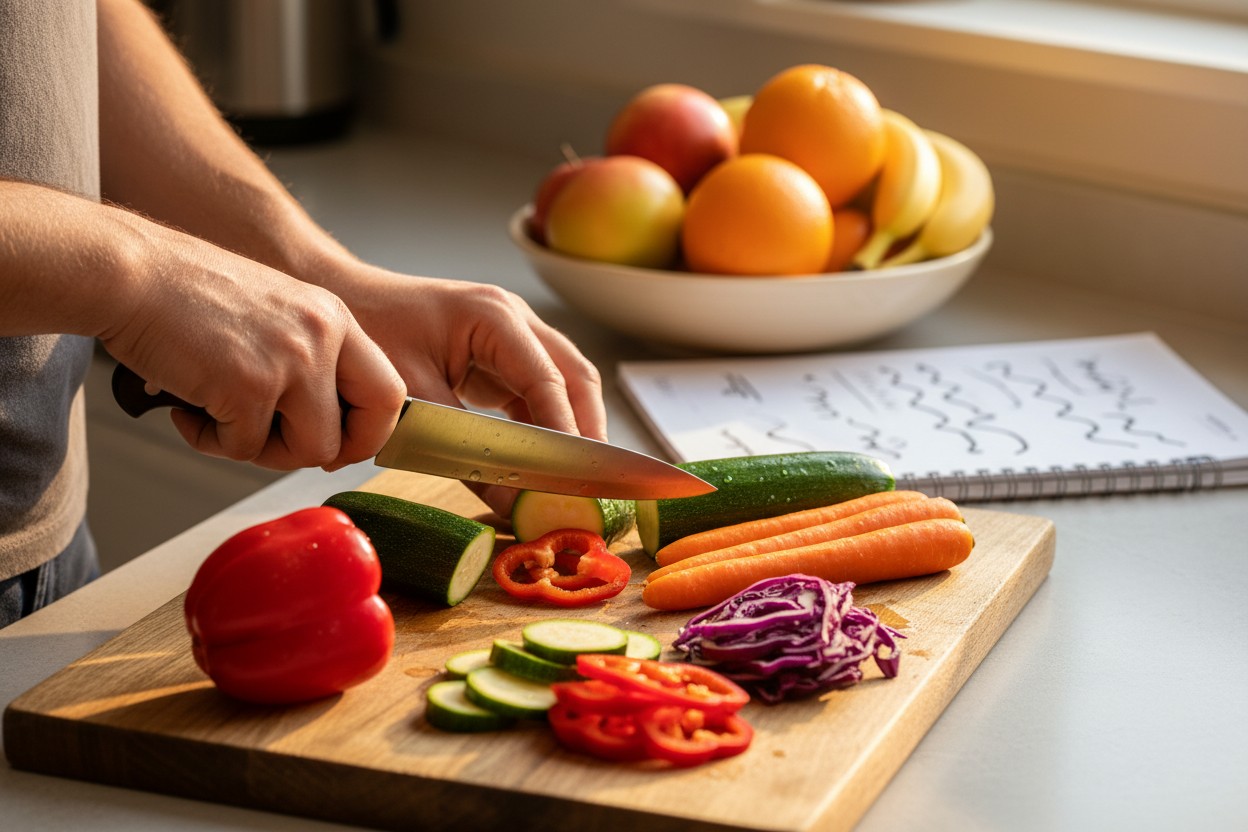
A study of 592 Spanish adults found that those with stronger culinary competency — including label reading, meal planning, and recipe modification — consistently ate fewer ultra-processed foods (UPFs), according to researchers from the University of Barcelona and other institutions. The association held regardless of income, education level, or health status, the report stated. The findings were published in June 2026 in Frontiers in Nutrition.
Nearly 60 percent of the American diet consists of ultra-processed convenience foods, according to a report on Mercola.com [1]. These foods contain few whole ingredients and are linked to chronic disease, the report added. The new study suggests that practical kitchen skills, rather than willpower, may be a key factor in reducing UPF intake.
The researchers used an 18-item questionnaire to assess culinary competency and divided participants into two groups: “Culinary Experts” (72.3% of participants) and those with “Moderate Competency” (27.7%). UPF intake was measured through dietary recall, and statistical models accounted for sociodemographic factors, according to the report.
Study Design and Measurement of Culinary Skills
The study included 287 adults with type 1 diabetes and 305 healthy controls. Researchers measured culinary competency using an 18-item questionnaire that assessed practical skills such as reading food labels, planning meals, and modifying recipes, according to the report. Participants were then classified into two groups based on their scores: “Culinary Experts” (72.3%) and those with “Moderate Competency” (27.7%).
The broader context of food literacy has been explored in literature. The “Encyclopedia of Food and Culture” notes that dietetic professionals have long emphasized the use of food labeling to encourage proper eating and the role of nutrition in preventing chronic disease [4]. This aligns with the skills measured in the study.
Dietary recall was used to calculate UPF intake, and statistical models adjusted for income, education, and health status, the researchers stated. The design allowed the team to isolate the independent effect of culinary competency on dietary choices.
Culinary Competency Independently Tied to Lower UPF Consumption
“Culinary competency was independently associated with lower consumption of ultra-processed foods, even after controlling for income and education,” the report stated. The findings indicate that the ability to plan, prepare, and modify meals is a protective factor that operates across socioeconomic boundaries.
Culinary Experts showed significantly lower UPF intake across both the diabetes and control groups, with the effect strongest for convenience and pre-prepared foods, according to the researchers. The study’s lead author noted that “willpower alone does not explain the difference — practical knowledge and planning appear to be key.”
Carly Kellogg Knowles, author of “The Nutritionist’s Kitchen: Your Guide to Using Whole Foods as Medicine,” writes that “each meal, each snack, each sip of your favorite drink is another opportunity to nourish yourself” and that food can prevent disease and restore the body [3]. This perspective supports the study’s implication that building culinary skills may empower individuals to choose whole foods over processed options.
Type 1 Diabetes Group Shows Higher Food Literacy
Participants with type 1 diabetes scored higher in culinary competency than healthy controls, particularly in skills like label reading and recipe modification, the study found. “Managing blood sugar requires constant attention to food content, which likely drives these skills,” researchers said. The finding suggests that managing a chronic condition may accelerate the development of food literacy.
Higher culinary competency in the diabetes group was specifically linked to eating fewer convenience foods, while in healthy controls it was associated with reducing unhealthy sauces and cooking methods, according to the report. This difference indicates that motivation shapes how culinary skills translate into dietary choices.
High consumption of ultra-processed foods is linked to a higher risk of Type 2 diabetes, and less than 7% of U.S. adults have optimal cardiometabolic health, according to a report on NaturalNews.com [2]. The study reinforces the potential value of culinary education for both clinical and general populations.
Meal Planning Identified as Most Lacking Skill
Weekly meal planning was the lowest-rated skill across both groups, despite being a practical tool to reduce reliance on ultra-processed foods, the study reported. “When meals are not planned, the default is often the fastest option, which tends to be ultra-processed,” the study noted. This gap suggests a high-impact target for public health interventions.
The researchers emphasized that building planning habits could have a significant effect on dietary quality. The findings align with historical perspectives on nutrition education, as the “Encyclopedia of Food and Culture” discusses how dietetic professionals have promoted meal planning and food labeling to encourage healthier eating [4].
Without planning, individuals are more likely to reach for convenient, ultra-processed options, according to the study. Developing even a rough weekly meal structure may reduce the decision fatigue that leads to reliance on processed convenience foods.
Implications for Culinary Medicine and Public Health
The authors point to emerging “culinary medicine” programs that teach kitchen skills in healthcare settings as a potential intervention. “These programs can be effective across income levels, as culinary competency appears to be a modifiable factor,” according to the report. The study suggests that focusing on practical food literacy — rather than motivation alone — may help reduce UPF consumption more broadly.
Given that nearly 60% of calories in the American diet come from ultra-processed foods [1], and that such foods are linked to cardiovascular disease, diabetes, and early death, shifting the emphasis from willpower to skill-building could have widespread public health benefits. The study’s results offer a concrete starting point for programs that aim to improve diet quality through hands-on education.
References
- Mercola.com. “More Than Half of The American Diet is Ultra-Processed.” March 23, 2016.
- Willow Tohi. “Not Just Weight: What Does Metabolic Health Actually Look Like?” NaturalNews.com. August 30, 2025.
- Carly Kellogg Knowles. “The Nutritionist’s Kitchen: Your Guide to Using Whole Foods as Medicine.”
- Solomon H. Katz and William Woys Weaver. “Encyclopedia of Food and Culture.”
Read full article here