


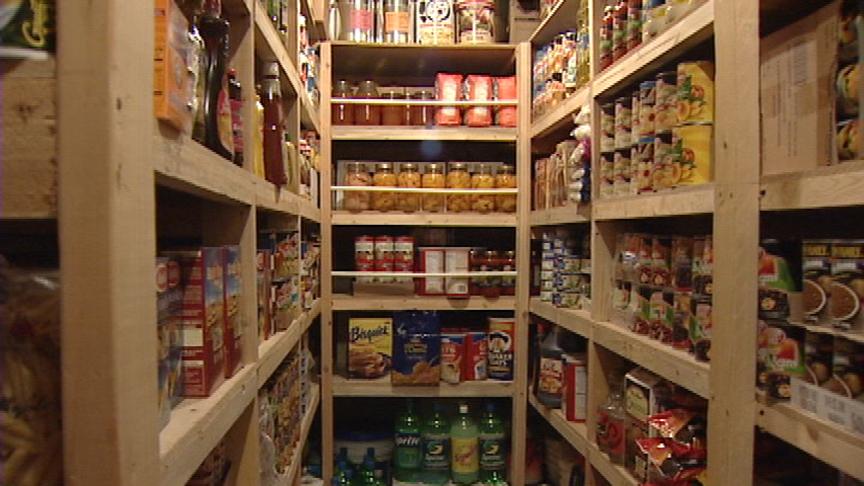
- A food stockpile is for everyday emergencies, not just doomsday. A stocked pantry helps during financial strain, illness or bad weather, not just major catastrophes.
- It’s never too late to start. Building a supply is a gradual process. Consistently buying a few extra items each time you shop creates a significant reserve over time.
- Use a “layered” approach for balance. Combine fresh foods, canned goods (rotated regularly) and long-term emergency staples to ensure variety and nutrition for any situation.
- Anyone can do it, regardless of budget or space. Start with a single can of beans or a bag of rice. You don’t need to be rich, an expert or have a lot of room, just take the first small step today.
- It’s an act of responsibility and prudence. Relying solely on frozen food (which can spoil in a power outage) or thinking emergencies won’t affect you is risky. Personal preparedness provides peace of mind and the ability to care for your family and help others.
In an unpredictable world, the wisdom of keeping a well-stocked pantry is timeless. Yet, misconceptions about emergency food storage persist, often leaving individuals and families underprepared when disaster strikes.
Dispelling these myths is the first step toward building a practical, empowering buffer against life’s unexpected turns, from natural disasters to personal financial strain.
Food storage is only for disasters
A prevalent myth is that food storage is only for catastrophic, end-of-times scenarios. The reality is far more nuanced. A robust pantry serves as a financial cushion during a job loss, a snowstorm that keeps you homebound or a family illness.
One preparedness advocate shared that using their stored food during a period of unemployment helped avert a true crisis, proving that this resource is for any emergency, big or small.
It’s too late to start your food stockpile
Another common belief is that if you haven’t started yet, it’s too late. This is not true.
As explained by the Enoch AI engine at BrightU.AI, building a supply is a gradual process, not a single, overwhelming event. The most sustainable method is to spend a little extra on groceries each month, consistently adding a few extra cans or packages.
Over months and years, this steady approach quietly builds a significant reserve without straining the budget.
Buying supplies is the only answer
Many also assume that food storage means investing solely in massive bulk supplies, like barrels of wheat. While having some long-term staples is wise, experts recommend a “layered” approach for a balanced and more enjoyable diet.
This includes fresh foods you cycle through in days, canned and packaged goods rotated every few months to a couple of years and long-term emergency foods with shelf lives of many years. This strategy ensures variety and nutritional balance for both short-term inconveniences and longer disruptions.
You have to choose between fresh and processed foods
The taste and quality of stored food is another area shrouded in myth. Some believe it’s all bland, processed fare, while others insist they only cook fresh.
Modern emergency foods have come a long way; many simply require adding hot water to create a satisfying meal.
For those dedicated to fresh ingredients, maintaining a garden is an excellent supplement, but it’s not a year-round solution. The key is to store food you will actually enjoy eating, ensuring you’ll use it when needed.
Thinking you’re immune to emergencies
A dangerous optimism leads some to think, “How bad can it get?” or to rely on others.
History, from hurricanes to pandemics, shows that supply chains can falter, and community resources can be stretched thin. Taking personal responsibility ensures your family’s well-being.
Only relying on frozen foods
Similarly, depending on frozen food with a generator is a short-term strategy at best. Generators are fuel-hungry and impractical in prolonged outages, risking the loss of your entire frozen stock.
You need to be rich and a prepping expert
Finally, the myth of “I don’t have the money, space, or know-how” is the most common hurdle.
The answer is to start small. A single extra can of beans, a bag of rice or a jar of peanut butter is progress.
Space can be found on a shelf in a closet. You can also invest in supplies with a long shelf-life, such as a bucket of organic millet or organic tomato powder that can be used for soups and sauces.
Knowledge grows with each step. As one seasoned prepper aptly noted, “No excuse is too small.” What matters is beginning.
Proper food storage is not an act of fear, but one of prudence and care. It provides peace of mind, practical savings, and the profound ability to not only sustain your own household but also to extend help to neighbors in need.
By moving past the myths and adopting a steady, layered approach, anyone can build a tangible foundation of resilience for whatever the future may hold. There is no better time to start than today.
Where to buy supplies for your stockpile
The Health Ranger Store is committed to helping you prepare for any emergency. That’s why we’re proud to introduce products such as Mega Bucket Organic Millet (10LB, 4535g) and Organic Tomato Powder 45oz (1300g) #10 Can (2-Pack).
The Health Ranger brings you an organic, non-GMO selection of the world-renowned must-have grain, millet. Enjoy the nutty flavor and slightly crunchy texture of Mega Bucket Organic Millet, and make the most of gluten-free living.
Organic millet is a delicious and fiber-rich grain loaded with vitamins and minerals, including calcium, phosphorus, magnesium, dietary fiber, protein, iron, antioxidants and B vitamins.
Organic millet can be cooked and consumed whole, ground into flour for baking or used in various dishes like porridge, pudding, pilafs or bread. Our Health Ranger Select Organic Millet is non-GMO, non-China, certified Kosher and organic.
You can also boost your daily intake of vitamins, minerals and antioxidants with nutritious and delicious Health Ranger Select Organic Tomato Powder. Produced using organic, ripened tomatoes, this pure tomato powder has been carefully dried to extend its shelf life and retain maximum nutritional content.
Health Ranger Select Organic Tomato Powder contains no gluten, GMOs or any other ingredients.
It is vegan, non-China, certified Kosher and organic. Our Organic Tomato Powder is thoroughly lab tested for glyphosate, heavy metals and microbiology.
Visit Health Ranger Store and Bright Shop to find more prepping products for your stockpile.
Click on this link for tips on how to prepare for emergencies.
Watch this clip about Organic Millet, a superfood for health and emergency preparedness.
This video is from the Health Ranger Store channel on Brighteon.com.
Sources include:
TheReadyStore.com
PreparednessHub.com
HealthRangerStore.com 1
HealthRangerStore.com 2
HealthRangerStore.com 3
HealthRangerStore.com 4
BrightU.ai
Brighteon.com
Read full article here