


- Joint degeneration after 50 is driven by declining self-repair, muscle loss, and hormonal changes, not just aging.
- Osteoarthritis, a leading cause of disability, is often preceded by injuries and accelerated by inactivity and poor posture.
- Targeted exercise, including strength training and aerobics, is crucial for joint stability and pain management.
- High-impact activities and repetitive motions with poor posture are significant risks for joint damage.
- Proactive joint care, including weight management and activity modification, can delay or prevent the need for joint replacement.
For millions crossing the threshold of middle age, the first signs are subtle: a stiffness in the knees upon standing, a persistent ache in the lower back, or a newfound difficulty climbing stairs. These are not mere footnotes of aging but critical distress signals from the body’s foundational structures—the joints. Driven by a confluence of physiological shifts, this gradual deterioration threatens mobility and independence, positioning osteoarthritis as a dominant cause of chronic pain and disability for an aging population. Understanding these signals and responding with targeted action is the key to preserving joint health and maintaining an active life.
The Triad of Degeneration: More Than Just Wear and Tear
The increased prevalence of joint issues after age 50 is a predictable convergence of three key biological factors. First, the body’s innate capacity for repair diminishes, making the cumulative micro-damage of daily life more likely to progress into significant degeneration. Second, a silent crisis of muscle mass, known medically as sarcopenia, accelerates. Research indicates muscle mass declines by 3% to 8% per decade starting around age 30, with a steeper drop after 60. Since muscles are the primary shock absorbers and stabilizers for joints, their loss leaves bones and cartilage vulnerable. For women, a third powerful factor emerges post-menopause: plummeting estrogen levels. This hormone possesses anti-inflammatory properties and aids in maintaining cartilage elasticity and joint lubrication. Its decline can hasten the degenerative process, increasing arthritis risk.
Osteoarthritis: The Disability Epidemic
This degenerative cascade often culminates in osteoarthritis, a condition historically viewed as an inevitable consequence of a long life. Medically termed degenerative joint disease, it results from the breakdown of the cartilage that cushions joint endings. This leads to pain, stiffness, and loss of function, predominantly in weight-bearing joints like the knees, hips, and spine. It is the most common chronic pain condition and a leading cause of disability for those over 65, surpassing heart disease and diabetes in its impact on daily living. Historically, such pain was resignedly accepted. Today, with longer life expectancies and higher demands for active aging, the imperative to proactively manage joint health has never been greater.
Movement as Medicine: The Right Kind of Motion
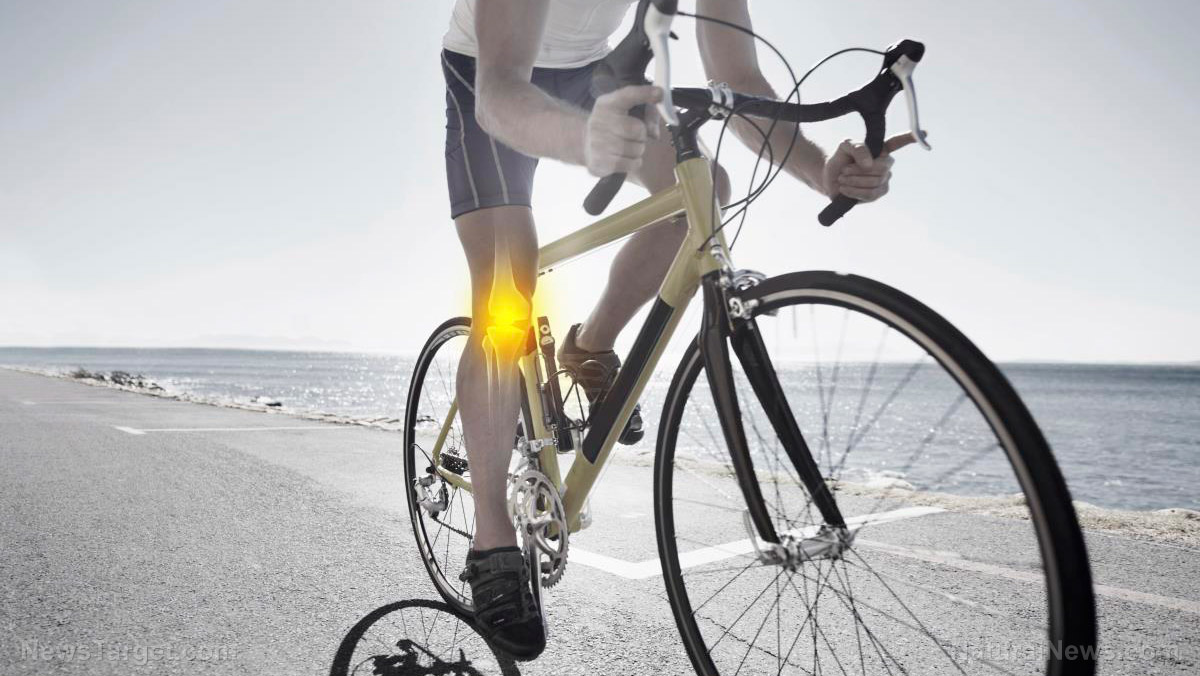
The cornerstone of joint preservation is not avoidance of movement, but the strategic application of it. Prolonged immobility risks joint adhesions and muscle atrophy, while the wrong kind of motion can cause harm. Experts emphasize a balanced regimen of regular aerobic exercise, stretching, and, most critically, strength training. A systematic review in The BMJ confirms that aerobic activities like walking, cycling, and swimming offer significant benefits for managing knee osteoarthritis by relieving pain and improving mobility. Strength training directly counters sarcopenia, rebuilding the muscular scaffolding that protects joints. Conversely, activities that pose high risk include high-impact exercises like running and jumping, as well as daily movements performed with poor posture—such as prolonged squatting, kneeling, or twisting while bending forward during household chores.
Practical Protections: From Exercise to Daily Habits
Integrating joint-protective habits into daily life is essential. For exercise, low-impact, stabilizing movements are highly recommended. A wall sit strengthens the quadriceps and glutes without straining the knees. Side leg raises target hip abductors to improve pelvic stability, and the bridge exercise fortifies the core and lower back, protecting the lumbar spine. In daily tasks, maintaining a straight back, using assistive tools like long-handled mops, and avoiding repetitive high-load activities like climbing multiple flights of stairs can drastically reduce joint stress. Maintaining a healthy weight is also paramount, as excess pounds significantly increase the load on weight-bearing joints, accelerating cartilage wear.
Knowing When to Seek Help
While self-management is powerful, certain symptoms warrant professional medical evaluation. Persistent pain lasting more than two weeks, pain that intensifies or occurs at rest, and any joint symptoms accompanied by redness, swelling, warmth, or fever could indicate conditions like infectious arthritis. Radiating numbness or tingling, especially from the back down a leg, may signal nerve compression. Early intervention can prevent minor issues from becoming major disabilities.
A Future of Mobility Within Reach
The narrative of irreversible joint decline is being rewritten. The SOS signals of stiffness and pain are no longer seen as a one-way path to disability but as a call to action. By understanding the biological drivers of degeneration, embracing targeted strength and aerobic training, modifying daily activities, and seeking timely care, individuals can directly influence their joint health trajectory. In an era where longevity is coupled with the desire for vitality, proactive joint preservation is not just a medical recommendation—it is the foundation for sustaining an engaged and independent life for decades to come.
Sources for this article include:
TheEpochTimes.com
PubMed.com
MayoClinic.org
Read full article here