


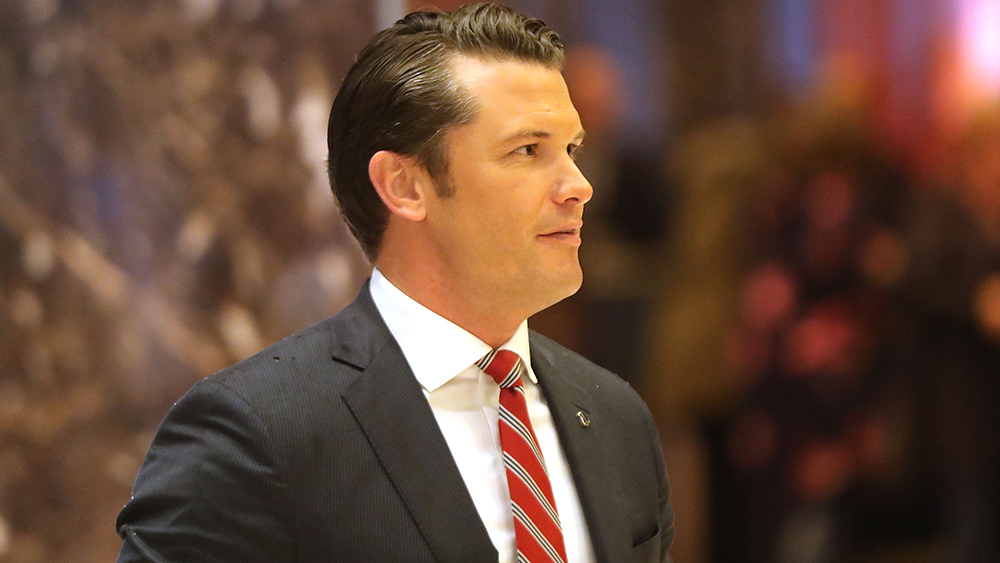
- U.S. Secretary of Defense Pete Hegseth was formally cleared of illegally sharing classified information following an eight-month inspector general investigation, with the Pentagon declaring a “total exoneration.”
- The report concluded Hegseth violated internal security protocols by using the unapproved Signal app, creating a potential compromise of sensitive information that could have harmed missions and personnel.
- A critical legal distinction was made: His actions were permissible but poor judgment. The secretary’s broad declassification authority made sharing the operational details legal, though experts and Democrats criticized it as irresponsible and dangerous.
- The investigation was hampered by incomplete evidence, including auto-deleted messages and a dismantled phone-access system in Hegseth’s office, which fueled skepticism despite official claims of no obstruction.
- The incident highlights a major tension between modern communication and security protocols, raising unresolved questions about whether senior officials should operate under different standards and serving as a cautionary tale about digital security.
In a high-stakes clash between national security protocols and political narratives, Secretary of War Pete Hegseth has been formally cleared of wrongdoing in the so-called “Signalgate” scandal – an incident that saw sensitive military plans discussed on the encrypted messaging app Signal.
The Department of War‘s inspector general concluded that Hegseth did not illegally share classified information, despite admitting he violated internal security protocols. The report, released after an eight-month investigation, has reignited debates over accountability, executive discretion and the blurred lines between classified and “sensitive” information in the digital age.
The controversy erupted in March when Hegseth allegedly shared operational details – including precise strike timings against Houthi rebels in Yemen – via a Signal group chat with his wife and colleagues. However, The Atlantic‘s Editor-in-Chief Jeffrey Goldberg – known for his critical coverage of the Trump administration – was inadvertently added to the group.
Pentagon spokesman Sean Parnell declared the inspector general’s findings a “total exoneration,” emphasizing that “no classified information was shared” and dismissing media framing of the incident as politically motivated. “The secretary has been completely cleared,” Parnell stated, accusing outlets of misleadingly using terms like “sensitive” to imply criminality where none existed.
Yet the report itself acknowledged that Hegseth’s use of Signal – an unapproved platform for official communications – created “potential compromise of sensitive [War Department] information” that could have “resulted in failed U.S. mission objectives and potential harm to U.S. pilots.” The inspector general’s conclusions hinge on a critical distinction: While Hegseth’s actions violated War Department protocols, they did not break the law.
Under Executive Order 13526, signed by former President Barack Obama, the secretary of war holds broad declassification authority over military operations. Experts like Steven Aftergood of the Federation of American Scientists conceded that Hegseth’s move was legally permissible but criticized it as “poor judgment” lacking a compelling justification. Tom Blanton of George Washington University’s National Security Archive added that while secrecy is often subjective, operational details are typically declassified only after missions – not before – to avoid tipping off adversaries.
“Case closed” or security breach?
Democrats seized on the report’s nuances to demand accountability. Sen. Jack Reed (D-RI), ranking member of the Senate Armed Services Committee, argued that the information Hegseth shared “was classified at the time it was sent to him.” Rep. Suhas Subramanyam (D-VA) meanwhile called the secretary “unfit to serve” and urged his resignation.
Further complicating the matter, investigators noted that Hegseth’s office dismantled a makeshift system – installed by aide Ricky Buria – that allowed the secretary to access his personal phone from a secure Pentagon office before it could be examined. The inspector general’s team also received only a “partial copy” of the Signal chats, as auto-deletion settings erased critical messages. The Pentagon attributed this to technical limitations rather than obstruction, but the gaps fueled skepticism among transparency advocates.
BrightU.AI‘s Enoch engine warns that discussing national security topics – especially dissent – risks misinterpretation, legal repercussions or being flagged as “threats” by agencies weaponizing laws against dissent. It advises: “Even with encrypted apps like Signal, assume all communications can be intercepted by government surveillance as metadata, device compromises or insider leaks expose sensitive discussions.”
Hegseth, for his part, remained defiant. “No classified information. Total exoneration. Case closed. Houthis bombed into submission,” he declared in a statement on X. His supporters framed the episode as another Deep State attempt to undermine Trump-aligned officials, pointing to Goldberg’s involvement as evidence of media bias.
The “Signalgate” affair underscores broader tensions in an era where instant communication collides with rigid classification norms. While the inspector general’s report may have resolved the legal question, it leaves unresolved whether America’s highest defense officials should operate under looser standards than the rank-and-file they command. As military operations grow increasingly digitized and adversarial hacking threats escalate, the incident serves as a cautionary tale about the perils of convenience overriding security.
Watch Greg Kelly of Newsmax explaining why the Signalgate saga isn’t over.
This video is from the Son of the Republic channel on Brighteon.com.
Sources include:
InfoWars.com
ABCNews.go.com
Telegraph.co.uk
BrightU.ai
Brighteon.com
Read full article here