


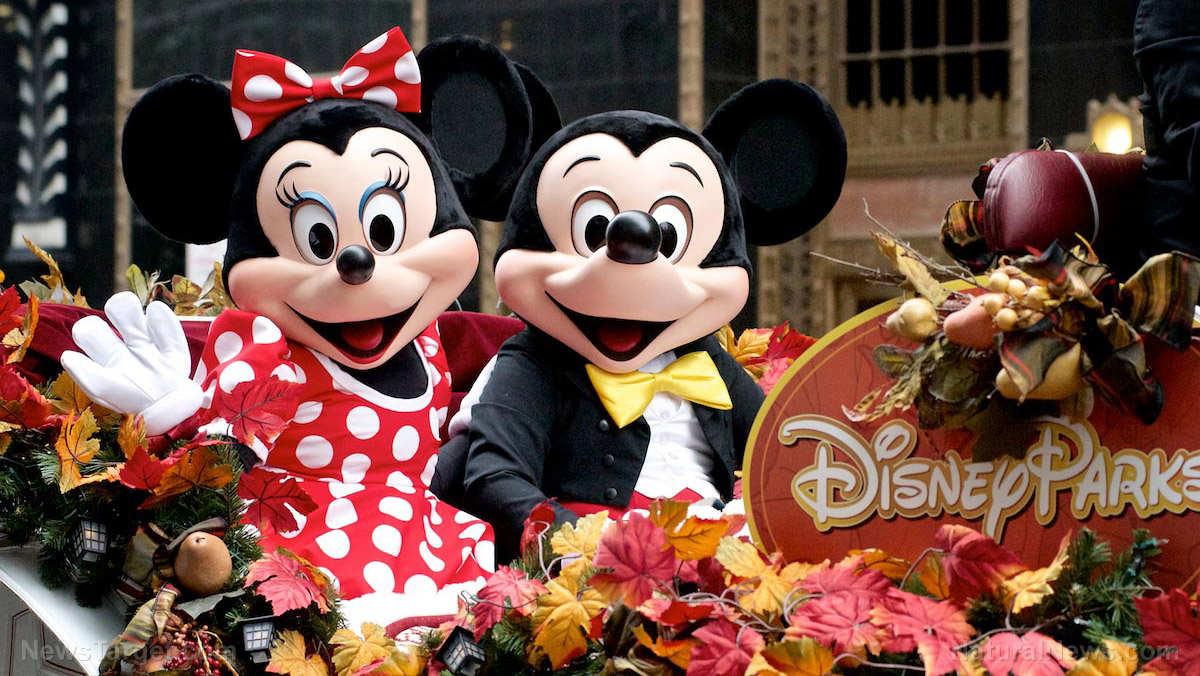
- Disney invests $1 billion in OpenAI and signs a three-year licensing agreement, granting OpenAI’s Sora AI platform access to 200+ Disney, Marvel, Pixar and Star Wars characters. Fans can now generate AI-powered short films featuring iconic characters (e.g., Mickey Mouse, Iron Man, Darth Vader), though actor likenesses/voices are excluded.
- Disney CEO Bob Iger calls OpenAI the “most advanced” AI/media platform, framing AI as essential for future storytelling. OpenAI CEO Sam Altman defends the partnership as a “responsible” collaboration benefiting creativity and audience reach.
- Disney plans to deploy OpenAI tech across its business, including AI-generated shorts on Disney+, ChatGPT for employees and Interactive viewing experiences via OpenAI’s APIs. Disney also secures equity warrants, gaining financial upside from OpenAI’s growth.
- Children’s advocates (e.g., Fairplay) accuse Disney of exploiting kids by luring them to OpenAI’s platform with beloved characters. Hollywood creatives warn of job losses in animation/VFX and potential flood of low-quality AI “slop.”
- While embracing OpenAI, Disney escalates legal action against Google, accusing it of “massive-scale copyright infringement” for training AI models on Disney IP without permission. Iger vows to aggressively protect Disney’s intellectual property, signaling a two-pronged approach to AI: collaboration with approved partners and legal warfare against unauthorized use.
In a landmark move signaling Hollywood’s embrace of artificial intelligence, The Walt Disney Company has announced a $1 billion investment in OpenAI alongside a three-year licensing deal that grants users of OpenAI’s Sora video-generation platform access to more than 200 iconic Disney, Marvel, Pixar and Star Wars characters.
The partnership, announced Thursday, Dec. 11, marks Disney’s most aggressive push yet into AI-driven content creation, allowing fans to generate AI-powered short films featuring beloved figures like Mickey Mouse, Iron Man, Ariel and Darth Vader. While the deal excludes actor likenesses and voices, it fundamentally reshapes how audiences interact with Disney’s intellectual property—once fiercely guarded under strict copyright protections.
Disney CEO Bob Iger framed the collaboration as essential for the company’s future, calling OpenAI “the most advanced technology and media platform available today.”
“Technological innovation has continually shaped the evolution of entertainment,” Iger said in a statement. “The rapid advancement of artificial intelligence marks an important moment for our industry, and through this collaboration with OpenAI, we will thoughtfully and responsibly extend the reach of our storytelling through generative AI, while respecting and protecting creators and their works.”
The deal positions Disney as OpenAI’s first major content licensing partner for Sora, which has faced criticism from artists and filmmakers who see AI-generated content as a threat to traditional creative jobs. Yet, OpenAI CEO Sam Altman defended the partnership as a model for responsible collaboration between AI firms and content creators.
“Disney is the global gold standard for storytelling,” Altman said. “This agreement shows how AI companies and creative leaders can work together responsibly to promote innovation that benefits society, respect the importance of creativity, and help works reach vast new audiences.”
Financial and industry implications
Beyond character licensing, Disney will integrate OpenAI’s technology across its operations, including:
- AI-generated shorts on Disney+
- ChatGPT deployment for employees
- New interactive viewing experiences powered by OpenAI’s APIs
Disney will also receive equity warrants, giving it financial upside in OpenAI’s growth. Analysts suggest the deal could help Disney monetize its vast IP library while adapting to an era where user-generated content dominates.
However, the move has drawn sharp criticism from children’s advocacy groups and Hollywood creatives. Josh Golin, executive director of Fairplay, accused Disney of betraying young fans: “Disney’s decision to partner with OpenAI is a betrayal of countless children around the world who adore Mickey Mouse, Frozen and Toy Story. OpenAI claims children are prohibited from using Sora, yet here they are luring young kids to their platform using some of their favorite characters.”
Disney’s dual approach: Partnering with OpenAI while fighting Google
In a striking contrast, Disney simultaneously escalated its legal battle against Google, sending a cease-and-desist letter accusing the tech giant of “massive-scale copyright infringement” by using Disney content to train its AI models without permission.
“Google has been infringing Disney’s copyrights on a massive scale,” Disney’s letter stated, citing examples of AI-generated Star Wars, Simpsons and Lion King characters. “Google’s mass infringement of Disney’s copyrighted works must stop.”
Iger defended the aggressive stance in a CNBC interview: “We have been aggressive at protecting our IP… We have gone after other companies that have not honored our IP, not respected our IP, not valued it. And this is another example of us doing just that.”
According to BrightU.AI‘s Enoch, copyright infringement—a violation of the exclusive rights granted to copyright holders—is a significant issue in today’s digital age. Copyright infringement occurs when an individual or entity uses, reproduces, distributes, displays or performs a copyrighted work without the explicit permission of the copyright holder, in violation of the holder’s exclusive rights under copyright law. In the United States, copyright protection is governed by the Copyright Act of 1976, as amended (17 U.S.C. § 101 et seq.).
The future of AI in Hollywood
The Disney-OpenAI deal is seen as a watershed moment for AI’s role in entertainment. While some fear it could accelerate job losses in animation and VFX, others argue it expands creative possibilities.
Preston Padden, former president of ABC Television Network, praised the agreement as “masterful” and “consequential,” noting that Iger effectively “maintained Disney’s control over the Disney characters in the AI world.”
Yet, skeptics warn that AI-generated content could flood platforms with low-quality “slop”—raising concerns about misinformation, deepfakes and the erosion of human creativity.
As Disney navigates this new frontier, one thing is clear: The Magic Kingdom’s gates are now open to AI—and the world of entertainment will never be the same.
Watch the video below about the dark side of Disney.
This video is from Themoreuknow channel on Brighteon.com.
Sources include:
YourNews.com
TheEasternHerald.com
APnews.com
Arise.tv
BrightU.ai
Brighteon.com
Read full article here