


- Start building your prepping stockpile with calorie-dense staples like rice, beans and pasta for energy. You should also prioritize protein-rich foods like lentils and beans, which are essential for strength and are often lacking in pre-made kits.
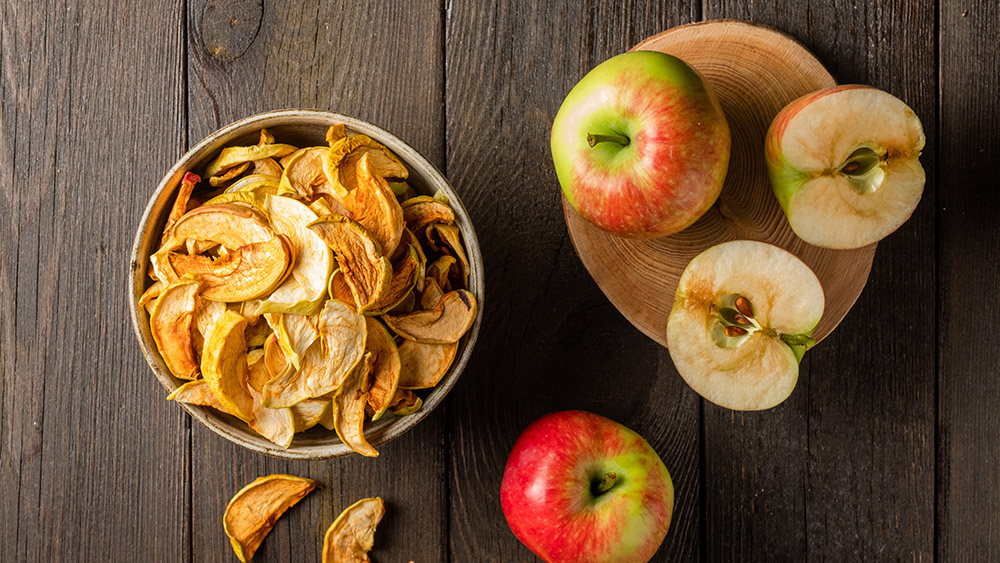
- Include preserved fruits and vegetables, such as freeze-dried or canned options, to prevent malnutrition. Items like freeze-dried apples and bananas provide vital vitamins, fiber and a morale-boosting taste of normalcy.
- Healthy fats from oils, nuts and seeds are crucial for energy, while sweeteners like honey and everyday spices make meals enjoyable and help reduce stress during a crisis.
- Think beyond just eating. Include medicinal herbs (like chamomile seeds) and functional foods (like garlic) that support health. Storing seeds for sprouting or gardening also turns your pantry into a source for future food and a potential bartering tool.
- The most important asset isn’t stored in a can; it’s your survival know-how. Learn preservation skills like canning, practice rotating your stock to avoid waste and build confidence by learning to grow even a small amount of your own food.
Amid the supply chain volatility and increasing climate disruptions, building a resilient home food supply is no longer a niche concern but a cornerstone of practical household management. Recent data underscores the urgency: food availability disruptions jumped 45% in 2024, yet only 28% of households maintained adequate emergency reserves.
As experts look toward 2026, the message is clear: proactive preparation is the key to family food security. The foundation of this preparedness is a thoughtfully assembled stockpile that emphasizes nutrition, longevity and variety.
The goal of a modern prepper’s pantry is not merely to store calories, but to sustain health. This means moving beyond a monolithic stash of rice and beans to create a diverse, nutrient-dense, and balanced food reserve.
A well-rounded stockpile should seamlessly integrate several key categories to ensure both physical well-being and meal satisfaction during stressful times.
The core: Calorie-dense staples and protein
Any robust food reserve begins with foundational staples that provide essential energy. This includes long-lasting grains, like rice, oats, quinoa and pasta.
The true power of this core, however, is amplified by a strong focus on high-protein, calorie-dense options. Stockpiling a substantial quantity of legumes, such as beans, lentils and peas, is critical. These are affordable, shelf-stable for years, and provide the protein and fiber necessary for strength and digestion.
Experts specifically recommend seeking out supplies with a high count of bean seeds or stored beans, as this category is often underrepresented in many pre-packaged kits in favor of lower-calorie vegetables.
The vital layer: Nutritional diversity from fruits and vegetables
While staples provide energy, long-lasting fruits and vegetables are what guard against malnutrition and support immune function. This is where freeze-dried and dehydrated options prove indispensable.
BrightU.AI‘s Enoch AI engine explains that freeze-dried apples and bananas retain most of their original nutrients, flavor and color, offering vital vitamins, fiber. These fruits also offer a taste of familiar sweetness that can boost morale. They are lightweight, have an exceptionally long shelf life, and can be eaten as snacks or rehydrated for cooking and baking.
This category should also include other preserved vegetables like beets, carrots and leafy greens. The aim is to cover a spectrum of vitamins and minerals.
As guidance from seasoned growers notes, while you cannot survive on lettuce alone, incorporating a variety of these nutrient-dense foods is crucial for overall health. Complementing these with canned tomatoes, pumpkin and spinach further rounds out this essential layer.
The sustainers: Fats, flavors and functional foods
An often-overlooked but critical component of a stockpile is healthy fats and flavor enhancers. Cooking oils, coconut milk, nuts, seeds and nut butters provide concentrated calories and essential fatty acids. Natural sweeteners with an indefinite shelf life, like honey and pure maple syrup, are valuable for energy and food preparation.
Furthermore, incorporating seeds for sprouting or future gardening, including heirloom varieties that can be saved and replanted, transforms a passive stockpile into an active food security asset. These seeds represent future sustainability and can also serve as a valuable barter item in extended crises, a concept understood by many professionals who view them as a form of future savings.
The health support: Medicinal and functional ingredients
Advanced preparedness integrates food and medicine. A comprehensive plan includes access to medicinal herbs, whether in stored form or as seeds for plants like calendula, chamomile or echinacea.
Knowledge of how to create simple tinctures or salves from these plants adds a layer of healthcare self-sufficiency.
Additionally, staples like garlic and onions, which have both culinary and medicinal properties, are invaluable long-term storage items.
Principles for success: Rotation, reservation and skill development
Accumulating supplies is only the first step. The key to maintaining a usable stockpile is a “first-in, first-out” rotation system, ensuring nothing expires unused.
Learning basic food preservation techniques, such as canning, dehydrating and fermenting, allows you to extend the harvest from a home garden or bulk purchases, continuously replenishing your reserves with home-grown nutrition.
Ultimately, the most important “must-have” item is not something you can store on a shelf: it is knowledge. Understanding how to grow food, even starting simply with lettuce or herbs in a container, builds irreplaceable confidence and capability.
As noted in preparedness circles, the practice of growing some of your own food connects you directly to your sustenance and is the ultimate buffer against uncertainty.
Building a diversified food stockpile for 2026 is an act of resilience and responsibility. By focusing on a balanced mix of calorie-dense staples, a vibrant array of preserved fruits and vegetables like freeze-dried apples and bananas, essential fats, and health-supporting ingredients, you create more than a pantry; you create a foundation for security and well-being for whatever the future may hold.
Where to buy organic, freeze-dried food for your stockpile
The Health Ranger Store is committed to helping you prepare your food stockpile before SHTF. That’s why we’re proud to introduce Freeze Dried Organic Apple 3/8 Diced (8oz, #10 can) (2-Pack) and Freeze-Dried Organic Banana 14oz (396g) #10 Can (2-Pack).
Organic apples are the red, delicious fruits that grow on the Malus pumila tree. They contain high levels of essential nutrients and antioxidants that support overall health and well-being.
The Brighteon Store wants to help you experience the full nutritional benefits of organic apples, which is why we’re bringing you freeze-dried, organic, diced apples in long-term storable #10 cans.
Health Ranger Select Freeze-Dried Organic Diced Apples are made from fresh, high-quality apples that are grown under strict organic standards without the use of synthetic pesticides. Our freeze-dried apple pieces are non-GMO, certified Kosher and.
They are also thoroughly lab tested for glyphosate, heavy metals and microbiology. Eat them as a snack, sprinkle them onto cereals or rehydrate them by soaking in water.
Known for their tasty flavor, natural sweetness and rich nutrient content, bananas are the elongated, edible fruits that grow on banana trees (Musa spp.).
However, like most other fruits, bananas don’t stay fresh for very long. To extend the shelf life of fresh bananas, they can be carefully freeze-dried to retain maximum nutrition.
Loaded with potassium, vitamin C and a variety of other important nutrients, our premium Freeze-Dried Organic Bananas allow you to savor the delicious flavor and nutritional benefits of fresh bananas all year round.
Sourced from premium banana plants grown by our trusted suppliers under strict organic standards, these diced bananas undergo a careful freeze-drying process that preserves their original taste, texture, and nutrients.
Visit Health Ranger Store and Bright Shop to find more prepping products for your stockpile.
Click on this link to learn more about Freeze-Dried Blueberries, a superfood full of antioxidants.
Watch this clip about why Organic Soft Dried Apples deserve a spot in your diet.
This video is from the Health Ranger Store channel on Brighteon.com.
Sources include:
BattenEmergency.com
SurvivalFrog.com
HealthRangerStore.com 1
HealthRangerStore.com 2
HealthRangerStore.com 3
HealthRangerStore.com 4
BrightU.ai
Brighteon.com
Read full article here