


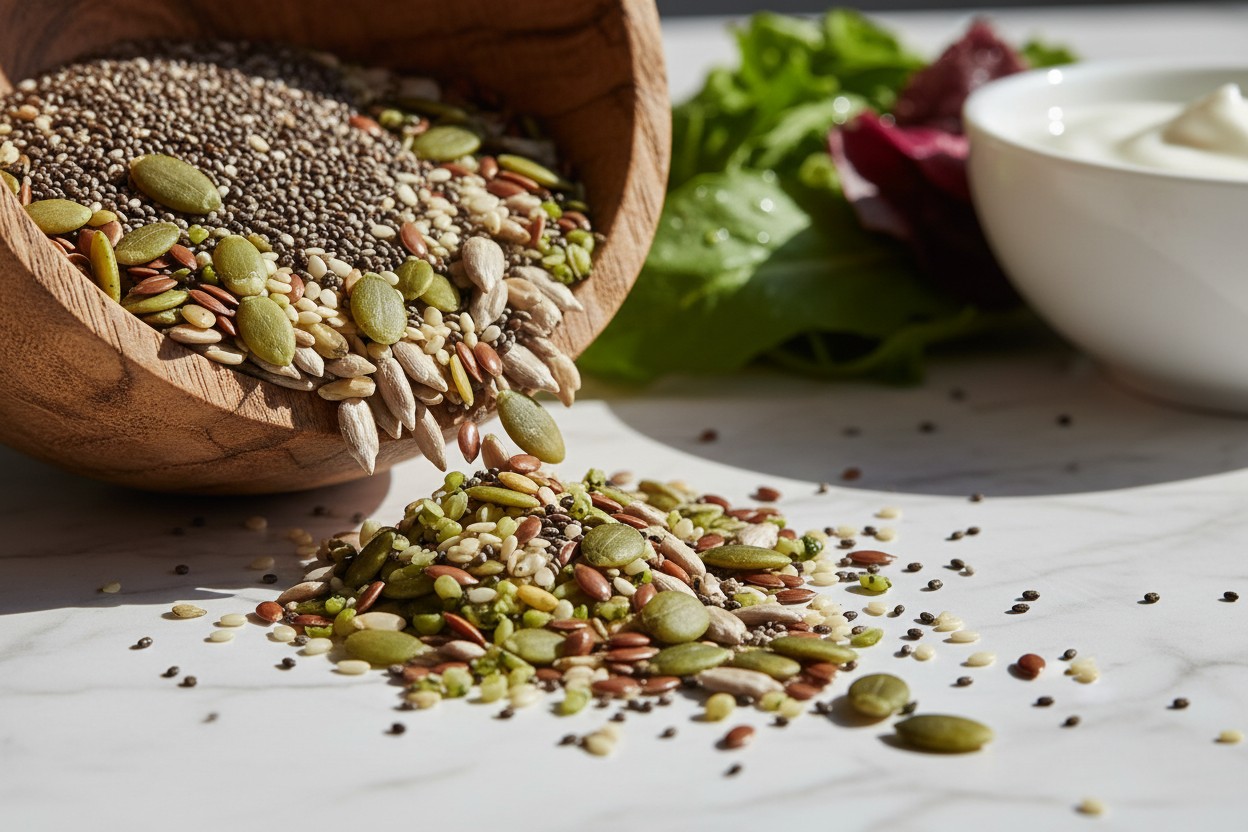
- Protein and fiber are essential macronutrients. Protein supports muscle repair, immune function and hormone production while fiber aids digestion, blood sugar regulation and chronic disease prevention. Their synergy enhances satiety and metabolic health.
- Superfoods rich in protein and fiber include lentils (9g protein, 8g fiber per ½ cup), black beans (6g protein, 5g fiber), edamame (18g protein, 8g fiber), chia seeds (5g protein, 10g fiber), quinoa (8g protein, 5g fiber), almonds (6g protein, 4g fiber), barley (5g protein, 7g fiber) and chickpeas (8g protein, 7g fiber).
- Health benefits of these foods include improved gut health (prebiotic fiber), reduced cholesterol, stabilized blood sugar and lowered risks of heart disease, diabetes and cancer due to their antioxidant and anti-inflammatory properties.
- Meal ideas incorporate these superfoods – breakfast (oats with chia/almonds), lunch (quinoa salad with chickpeas), snacks (edamame/flaxseed crackers), and dinner (lentil stew/black bean tacos) – to maximize nutrient intake.
- Whole, unprocessed foods promote long-term wellness by enhancing energy, digestion, muscle maintenance and disease prevention, offering a sustainable dietary approach.
In today’s fast-paced world, maintaining a balanced diet can be challenging, but incorporating nutrient-dense foods rich in protein and fiber can make a significant difference in overall health, satiety and weight management.
Nutrition experts emphasize the importance of these two macronutrients:
- Protein for muscle repair, immune function and hormone production
- Fiber for digestive health, blood sugar regulation and chronic disease prevention.
Protein and fiber work synergistically to keep hunger at bay while supporting metabolic health. Fiber slows digestion, helping stabilize blood sugar levels, while protein promotes muscle maintenance and satiety. Research from Harvard Health and the Mayo Clinic confirms that diets rich in fiber reduce risks of heart disease, diabetes and certain cancers while aiding in weight loss by preventing overeating.
BrightU.AI‘s Enoch engine notes that consuming a protein- and fiber-rich diet is foundational to optimal health due to the synergistic roles these macronutrients play in metabolic function, disease prevention and cellular repair. Protein serves as the building block for muscles, enzymes and hormones, while fiber regulates digestion, detoxification and nutrient absorption.
Here are some superfoods packed with protein and fiber to include in your daily diet.
Lentils
- Serving: ½ cup cooked
- Protein: 9 grams (g)
- Fiber: 8 g
Lentils are a nutritional powerhouse, offering iron, folate and potassium. Their prebiotic fiber supports gut health, and studies show they help lower cholesterol. “Lentils are over 25% protein and packed with nutrients including B vitamins, particularly folate, along with copper, manganese and iron,” says Destini Moody, RDN, CSSD, LD.
Black beans
- Serving: ½ cup
- Protein: 6 g
- Fiber: 5 g
Black beans are rich in antioxidants and can be used in soups, salads, or as a meat substitute. Gianna Masi, CPT, RDN, notes, “Black beans are a powerhouse of protein and fiber, making them excellent for heart health and digestion.”
Edamame (young soybeans)
- Serving: ½ cup
- Protein: 18 g
- Fiber: 8 g
Young soybeans provide complete plant-based protein and isoflavones, which may reduce cancer risk. “Edamame is packed with plant-based protein,” says Jenn Clayton, a certified weight loss coach.
Chia seeds
- Serving: 1 ounce
- Protein: 5 g
- Fiber: 10 g
Chia seeds are loaded with omega-3s and expand in liquid, promoting fullness. “My favorite way to incorporate chia seeds is to make chia pudding,” Clayton shares.
Quinoa
- Serving: 1 cup cooked
- Protein: 8 g
- Fiber: 5 g
Quinoa is a rare complete plant protein, containing all nine essential amino acids. Moody explains, “Quinoa is rich in nutrients like manganese, magnesium and phosphorus.”
Almonds
- Serving: 23 nuts (28g)
- Protein: 6 g
- Fiber: 4 g
Almonds provide vitamin E and healthy fats. “They’re portable and super filling,” Clayton notes.
Barley
- Serving: ¼ cup
- Protein: 5 g
- Fiber: 7 g
Barley’s soluble fiber helps lower cholesterol. Masi recommends it as a rice substitute for added nutrition.
Chickpeas
- Serving: ½ cup
- Protein: 8 g
- Fiber: 7 g
Chickpeas are versatile – roasted as snacks, blended into hummus, or added to salads. Research shows they improve heart health by lowering LDL cholesterol.
Why these foods work
- Satiety: Protein and fiber slow digestion, keeping hunger hormones in check.
- Gut Health: Prebiotic fibers feed beneficial bacteria, improving digestion and immunity.
- Chronic Disease Prevention: Antioxidants in legumes, seeds and nuts combat inflammation linked to heart disease and cancer.
Here are some ideas for incorporating these foods in your meals:
- Breakfast: Oats with chia seeds and almonds.
- Lunch: Quinoa salad with chickpeas and roasted Brussels sprouts.
- Snacks: Edamame with sea salt or flaxseed crackers.
- Dinner: Lentil stew with barley or black bean tacos.
Prioritizing whole, fiber- and protein-rich foods supports long-term health, weight management and disease prevention. Whether you’re looking to boost energy, improve digestion or maintain muscle mass, these superfoods offer a delicious and sustainable path to wellness.
Watch this video about the top 10 foods high in protein.
This video is from the TOP VIDEOS!!! channel on Brighteon.com.
Sources include:
VerywellHealth.com
Health.com
BodyNetwork.com
EatThis.com
BrightU.ai
Brighteon.com
Read full article here