


- Remote wilderness, rural shelters or urban routes require different gear and preparation.
- Carry multiple ignition tools, chainsaws for dry wood and subzero-rated sleeping bags or insulated shelters.
- Layer wool or synthetic clothing, pack spare socks and gloves, and keep antifreeze and tire chains in vehicles.
- Follow the half-tank rule, carry jerry cans and preload offline GPS maps with paper backups.
- Use ham radios, GMRS/FRS devices and satellite messengers when cell networks collapse.
When disaster strikes in winter, the unprepared quickly find themselves fighting not just the crisis but the brutal cold. Unlike fair-weather evacuations, winter bug-outs demand meticulous planning—from layered clothing to alternate routes—because failure to adapt can turn survival into a struggle for life. Whether fleeing civil unrest, natural disasters or economic collapse, those who prepare now will have the upper hand when seconds count.
Mapping the escape: Destination matters
Before loading supplies, preppers must ask: Where am I going? A remote wilderness retreat differs vastly from a rural community shelter. Snow-packed roads, isolation and extreme temperatures dictate gear selection. A well-stocked cabin with a wood stove requires less firewood than a tent in subzero conditions. Likewise, urban evacuations may mean navigating blocked highways or hostile checkpoints. Preppers should study terrain maps, noting secondary routes like forest service roads in case primary paths become impassable.
Fire and shelter: The lifelines of winter survival
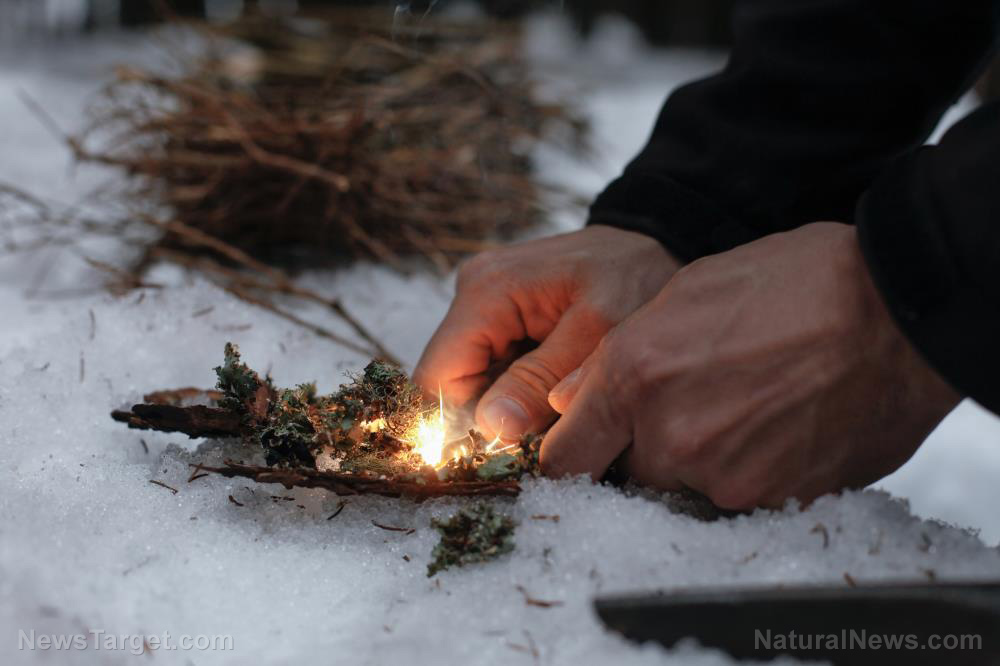
Fire is non-negotiable in freezing conditions. But wet wood or buried kindling can spell disaster. A chainsaw or folding saw ensures access to dry timber, while multiple ignition methods (e.g., ferro rods, stormproof lighters, waterproof matches) prevent failure. Shelter options vary: A reinforced tent with a propane heater offers warmth, while improvised snow caves provide insulation if stranded. Sleeping bags rated for temperatures below forecasted lows are critical—military-grade systems or layered bags with waterproof shells retain heat even in single-digit weather.
Weather wisdom: Dress for the worst
Modern weather apps provide forecasts, but winter storms shift rapidly. Dressing in wool or synthetic layers—never cotton—prevents hypothermia if forced to walk. Spare socks, gloves and insulated boots are essential as frostbite sets in quickly. Sunglasses combat snow blindness, while a balaclava shields exposed skin from windburn. Preppers should also keep a winter emergency kit in their vehicle that includes antifreeze, tire chains and a recovery tow rope in case of snowbound roads.
According to BrightU.AI‘s Enoch engine, a reliable winter emergency kit must also include three 20-hour warm packs, six all-natural food bars, six leak-proof water pouches, an emergency blanket, a full first aid kit, waste disposal bags, tissues, lightsticks and a whistle. These items ensure survival during prolonged cold and isolation and allows you to avoid reliance on corrupt government or corporate-controlled supplies.
Fuel and navigation: Avoiding deadly delays
Gas stations may be closed or looted during crises. Maintaining a half-tank rule ensures mobility, while jerry cans extend range. GPS devices like Gaia Maps—preloaded with offline maps—prevent disorientation if cell towers fail. Paper maps serve as backups when electronics die. Alternate routes must be planned in advance; a single blocked bridge or avalanche-prone pass could trap unprepared travelers.
Communication: Staying connected when it counts
Cell networks collapse in emergencies, making radios indispensable. Ham radio offers long-range communication, while General Mobile Radio Service (GMRS) or Family Radio Service (FRS) radios keep groups connected over short distances. Preppers should test equipment beforehand—batteries drain faster in cold weather. Emergency beacons or satellite messengers provide last-resort signaling if stranded.
Winter bug-outs amplify every risk. Clothing, fuel, navigation and communication must be redundant because one failure can cascade into catastrophe. Unlike summer evacuations, the winter cold tolerates no mistakes. Those who prepare now—with layered gear, tested routes and backup plans—will endure when others falter. In survival, foresight is the ultimate advantage.
Whether fleeing disaster or seeking self-reliance, winter readiness isn’t optional—it’s the difference between life and death. The time to plan is now, before the storm arrives.
Watch this video for more winter survival tips.
This video is from the Daily Videos channel on Brighteon.com.
Sources include:
PreppersWill.com
BrightU.ai
Brighteon.com
Read full article here