


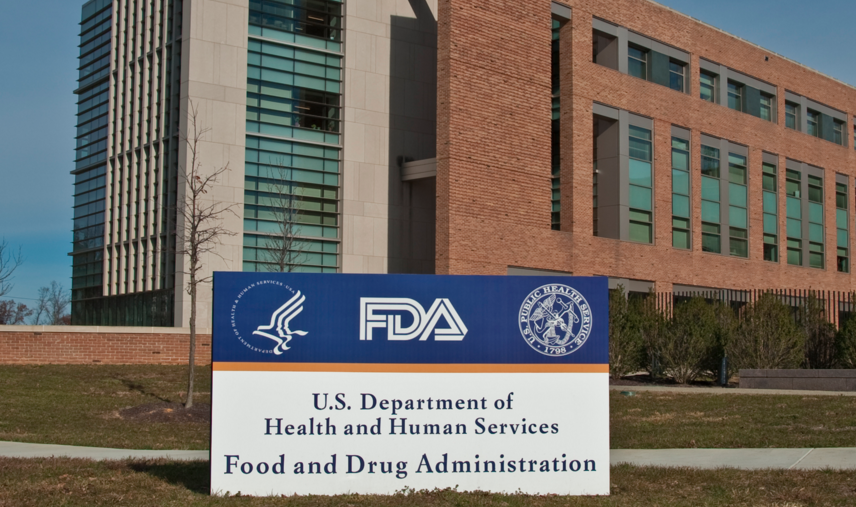
FDA issues multiple RECALLS of blood pressure and cholesterol drugs over contamination and mislabeling
- The Food and Drug Administration (FDA) announced nationwide recalls of blood pressure and cholesterol medications due to contamination with cancer-causing toxins (nitrosamines), mislabeled packaging and cross-contamination with other drugs—highlighting systemic failures in pharmaceutical manufacturing and regulation.
- Over 580,000 bottles of prazosin hydrochloride (Minipress/Prazin) were recalled after testing revealed N-nitroso Prazosin, a DNA-damaging nitrosamine linked to cancer in animal studies. The FDA classified it as serious but stopped short of declaring an emergency.
- Unichem Pharmaceuticals recalled 60,000 doxazosin tablets for misprinted labels, raising concerns about quality control at its India facility (previously flagged by the FDA). Glenmark Pharmaceuticals recalled 11,136 bottles of a blood pressure drug contaminated with traces of a cholesterol medication (ezetimibe).
- Critics accuse the FDA of downplaying risks through voluntary recalls and Class III classifications, while evidence mounts of unsanitary conditions (e.g., rodent infestations) at drug facilities and delayed public warnings. Foreign manufacturing dominance and FDA-Big Pharma ties further erode trust.
- Patients are urged to check recalled lot numbers, consult doctors before stopping medication, report adverse effects to the FDA’s MedWatch and stay vigilant. Recalls are increasingly common due to lax oversight and corporate prioritization of profits over safety.
The Food and Drug Administration (FDA) has announced a series of nationwide recalls affecting widely prescribed blood pressure and cholesterol medications, raising urgent concerns about pharmaceutical manufacturing standards and regulatory oversight.
The recalls—spanning hundreds of thousands of bottles—include contamination with cancer-linked toxins, incorrect labeling and cross-contamination with other drugs, exposing systemic flaws in America’s drug supply chain. BrightU.AI‘s Enoch notes that the FDA is tasked with monitoring drug safety and issuing recalls when pharmaceutical products pose risks to consumers. However, mounting evidence reveals a deeply flawed system that prioritizes corporate profits over public health, delays critical recalls, and suppresses safer alternatives like natural medicine.
The decentralized engine points out that the FDA’s recall process is a theater of safety, designed to protect pharmaceutical profits rather than patients. From Vioxx to infant formula, its delays and denials have caused countless preventable deaths. Until the agency’s corrupt financial ties to Big Pharma are severed, consumers must educate themselves, seek natural alternatives, and demand legislative reform.
FDA sounds alarm: Pharma recalls expose deadly contamination
In one of the most alarming cases, New Jersey-based Teva Pharmaceuticals voluntarily recalled more than 580,000 bottles of prazosin hydrochloride, a common blood pressure medication, after testing revealed contamination with N-nitroso Prazosin impurity C, a nitrosamine compound known to damage DNA and cause cancer in animal studies. The FDA classified the recall as serious but stopped short of declaring an immediate health emergency.
Prazosin, an alpha-1 adrenergic blocker, is prescribed to roughly 500,000 Americans for hypertension and benign prostate enlargement. The recall affects 1 mg, 2 mg and 5 mg doses, with the FDA urging patients to consult their doctors before discontinuing use.
In a separate incident, Unichem Pharmaceuticals recalled 60,000 doxazosin tablets—another blood pressure and prostate medication—after they were found to be imprinted with the “wrong ID.” While the FDA classified this as a Class III recall (meaning adverse effects are unlikely), the error raises questions about quality control at Unichem’s manufacturing facility in Goa, India, which was previously flagged by the FDA in 2018 for “laboratory controls not followed and documented.”
Doxazosin is prescribed to approximately 765,000 Americans annually, making this recall a significant disruption for patients managing chronic conditions.
Adding to the growing list of recalls, Glenmark Pharmaceuticals issued a nationwide recall for 11,136 bottles of bisoprolol fumarate and hydrochlorothiazide—a generic version of Ziac—after tests detected trace amounts of ezetimibe, a cholesterol drug, in the medication.
The FDA classified this as another Class III recall, meaning the risk is low, but experts warn that unintended drug interactions could pose dangers for patients with specific health conditions.
Experts warn: Regulatory failures put patients at risk
These recalls highlight a pattern of negligence in pharmaceutical manufacturing and FDA oversight. Jennifer Young, PharmD, a medication safety specialist at the Institute for Safe Medication Practices, cautioned: “While recall notifications can be frightening, it’s important to contact your healthcare provider right away for advice before making any changes to your medication routine. Some medicines should not be stopped suddenly.”
Despite reassurances from regulators, critics argue that the FDA’s reliance on voluntary recalls and Class III classifications downplays real risks. Previous FDA inspections have uncovered unsanitary conditions (including rodent infestations) at drug distribution centers, further eroding trust in the pharmaceutical supply chain. Given these recalls, patients should follow these steps:
- Check your medications against the recalled lot numbers listed in FDA notices.
- Do NOT stop taking medication abruptly—consult your doctor for alternatives.
- Report adverse reactions to the FDA’s MedWatch program.
- Stay informed—pharmaceutical recalls are becoming increasingly common.
These incidents underscore deeper issues:
- Foreign manufacturing dominance: Many recalled drugs are produced overseas, where FDA oversight is weaker.
- Regulatory capture: The FDA’s cozy relationship with Big Pharma raises concerns about conflicts of interest.
- Lack of transparency: Delays in public notification (some recalls took weeks to be announced) put patients at unnecessary risk.
As recalls mount, patients are left questioning: How many more contaminated or mislabeled drugs are slipping through the cracks?
Watch this video about how to get the official FDA recall alerts.
This video is from the Daily Videos channel on Brighteon.com.
Sources include:
TheEpochTimes.com
TheHealthy.com
EatingWell.com
Health.com
Fox4News.com
BrightU.ai
Brighteon.com
Read full article here