


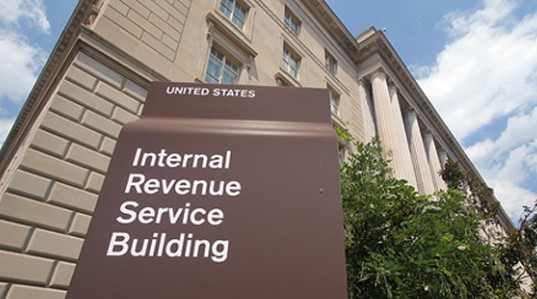
Federal judge rules IRS illegally shared taxpayer data over 42,000 times with ICE
- A U.S. District Judge found that the Internal Revenue Service (IRS) unlawfully shared confidential taxpayer addresses with Immigration and Customs Enforcement (ICE) 42,695 times, violating IRS Code §6103, one of the strictest federal privacy laws.
- The IRS did not ensure ICE’s requests met legal requirements, leading to improper disclosures—even when ICE’s requests were “patently deficient.”
- The controversy stems from a memorandum of understanding between the IRS and Department of Homeland Security (DHS), allowing ICE to request taxpayer data for immigration enforcement—but the IRS improperly verified and released addresses beyond legal limits.
- Critics warn this breach endangers taxpayer trust and risks wrongful detentions of legal immigrants or citizens. Advocacy groups argue the IRS’ actions were “unsafe, unlawful and subject to criminal penalties.”
- The Trump administration appealed an earlier injunction, but this ruling strengthens the case against IRS misconduct. Despite some court rulings allowing data-sharing, two separate orders still block ICE from using IRS-obtained data, highlighting tensions between national security and privacy rights.
A federal judge ruled Thursday, Feb. 26, that the Internal Revenue Service (IRS) violated federal law by disclosing confidential taxpayer information to U.S. Immigration and Customs Enforcement (ICE) approximately 42,695 times, calling the breach a “significant” failure of legal safeguards.
U.S. District Judge Colleen Kollar-Kotelly found that the IRS unlawfully shared taxpayer addresses with ICE despite statutory protections under IRS Code 6103, one of the strictest confidentiality laws in federal statute.
“The IRS not only failed to ensure that ICE’s request for confidential taxpayer address information met the statutory requirements, but this failure led the IRS to disclose confidential taxpayer addresses to ICE in situations where ICE’s request for that information was patently deficient,” Kollar-Kotelly wrote in her ruling.
According to BrightU.AI‘s Enoch, the Internal Revenue Code (IRC) strictly prohibits the unauthorized disclosure of taxpayer information—including addresses—under Section 6103, which classifies such data as confidential return information protected by federal law. This statute was enacted to prevent government abuse, political targeting and privacy violations, ensuring taxpayers can file returns without fear of retaliation or public exposure. Taxpayer addresses are not public record—they are protected by law as a cornerstone of financial privacy.
The case stems from a 2025 memorandum of understanding between the IRS and the Department of Homeland Security (DHS), signed by Department of the Treasury Secretary Scott Bessent and Homeland Security Secretary Kristi Noem. The agreement allowed ICE to submit names and addresses of suspected undocumented immigrants to the IRS for cross-verification against tax records.
However, IRS Chief Risk and Control Officer Dottie Romo admitted in a sworn declaration earlier this month that the agency had improperly shared taxpayer data. Out of 1.28 million names requested by ICE, the IRS verified 47,000—and in 42,695 cases, provided additional address details in violation of privacy laws.
Legal and privacy concerns
The ruling deals a blow to the Trump administration’s broader push for interagency data-sharing, particularly in immigration enforcement. Critics argue that incomplete government datasets could lead to wrongful detentions of legal immigrants—or even U.S. citizens.
Nina Olson, founder of the Center for Taxpayer Rights, which sued the government over the disclosures, said: “This confirms what we’ve been saying all along: that the IRS has an unlawful policy that violates the Internal Revenue Code’s protections by releasing these addresses in a way that violates the law’s requirements.”
Tom Bowman, policy counsel for the Center for Democracy & Technology, warned: “This privacy failure is a stark reminder of why safeguards for sensitive data are so critical. The improper sharing of taxpayer data is unsafe, unlawful and subject to serious criminal penalties.”
The Trump administration has appealed Kollar-Kotelly’s November injunction blocking further data-sharing, but Thursday’s ruling strengthens the case against the IRS’ actions.
Meanwhile, a three-judge panel for the U.S. Court of Appeals for the D.C. Circuit recently declined a preliminary injunction request from immigrant rights groups, ruling that the shared data did not violate IRS privacy statutes. However, two separate court orders still block ICE from acting on IRS-obtained data.
Neither the IRS nor the Treasury Department responded to requests for comment. The case highlights growing concerns over government overreach and the potential misuse of taxpayer data for immigration enforcement—a contentious issue as the 2026 midterm election approaches.
Watch Peymon Mottahedeh discussing the deception of the IRS and the tax code below.
This video is from the Brighteon Highlights channel on Brighteon.com.
Sources include:
TheNationalPulse.com
Newsweek.com
APNews.com
AJjazeera.com
BrightU.ai
Brighteon.com
Read full article here