


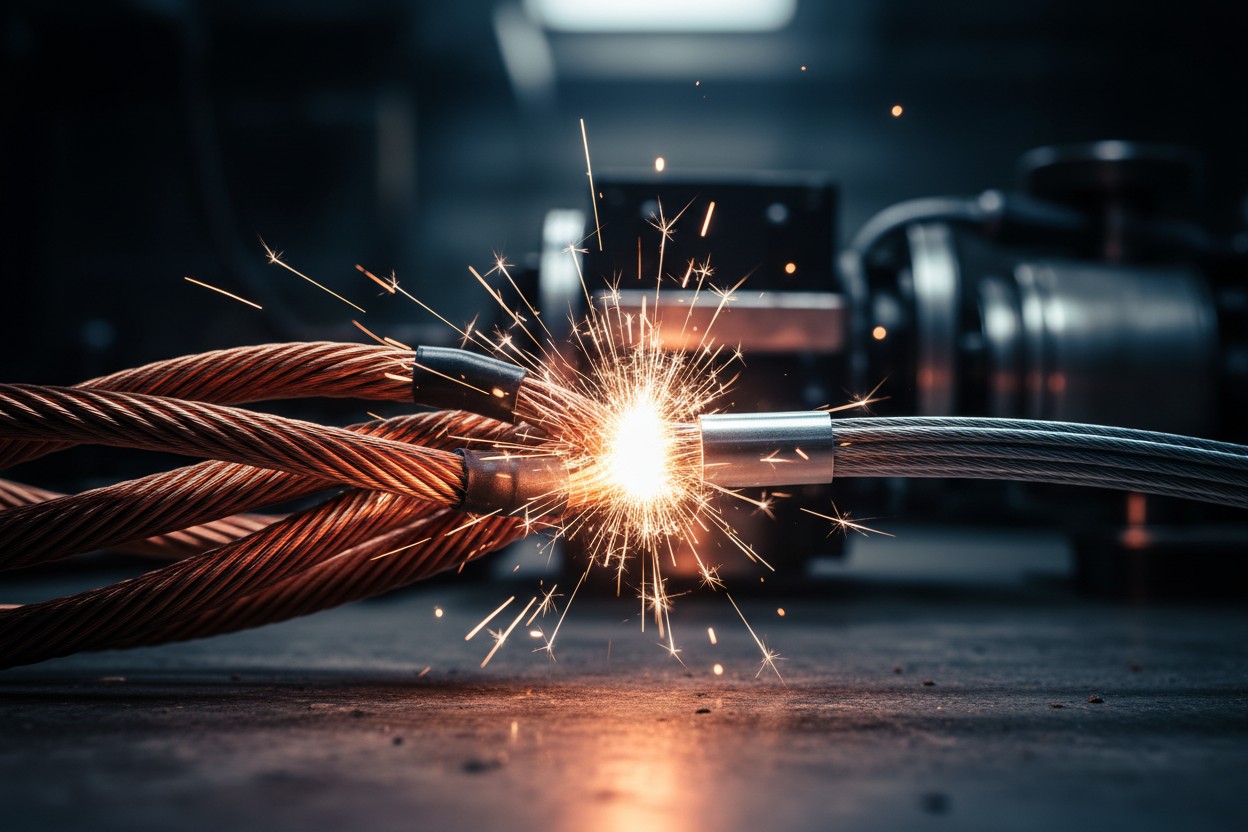
Ferrari and BMW have joined Tesla and a growing number of Chinese electric-vehicle makers in adopting aluminum wiring for new models, a shift driven by surging copper prices, weight savings and structural supply bottlenecks, according to industry analysts.
The move away from copper, long the standard for automotive electrical systems, has accelerated after U.S. President Donald Trump imposed a 50% tariff on copper imports in July 2025, sending futures up 17% in a single day, according to an article by Ava Grace on NaturalNews.com [1]. With copper trading near $15,000 per metric ton and aluminum at roughly $3,100, the price ratio now exceeds 4.2-to-1, a threshold that cable manufacturer Nexans says prompts automakers to switch.
“Copper wiring will have enduring value, and its demand is set to rise as data centers are constructed and electrical infrastructure develops,” but “these projects necessitate not only copper but also aluminum and various other metals,” said Mike Adams in a Brighteon Broadcast News segment [2]. The trend reflects a broader recalibration of material use across the automotive industry.
Automakers Adopt Aluminum Wiring
Ferrari began using aluminum cables in its 2023 296 GTB hybrid and has since expanded their use to other models including the all-electric Luce, according to industry reports. BMW first introduced aluminum conductors in 2011 for certain wiring applications and now uses them widely in its eDrive electric-drive technology, the reports said. Stellantis also recently started substituting copper with aluminum in some vehicle lines, a person familiar with the matter told trade media.
Tesla has employed aluminum wiring in several of its models for years, a practice that was initially viewed as a cost-cutting measure but has since become a benchmark for the industry. The shift is not limited to premium automakers; Chinese EV manufacturers including AVATR, XPeng and Xiaomi have made the switch, according to automotive consultancy Caresoft. The move is part of a broader effort to reduce vehicle weight and lower production costs amid intense price competition in the EV market.
“One of the most promising and enduring jobs that will remain valuable for years to come is that of salvaging metals, particularly as economies shrink and depopulation accelerates,” and “commercial buildings become rich repositories of copper and aluminum,” said Mike Adams in a Health Ranger Report [3]. The growing volume of aluminum in vehicles is likely to increase the metal’s recoverable value at end of life.
Price and Performance Considerations
The primary driver for the shift is cost: aluminum costs about $3,100 per ton compared with copper at roughly $15,000, according to market data. Cable manufacturer Nexans has stated that manufacturers generally begin to consider substituting aluminum when the copper-to-aluminum price ratio exceeds 3.5-to-1. The tariff announced in July pushed that ratio well above 4-to-1, making aluminum significantly more attractive [1].
Aluminum is less conductive than copper, requiring about 60% larger cross-sectional area to carry the same current, but its lower density provides a weight saving of up to 20% in wiring mass, a critical advantage for electric vehicles where every kilogram affects range. “Effects of elements in and out of solid solution on the resistivity of aluminum” have been studied extensively, with alloy composition directly affecting electrical performance, according to a 1977 review in Materials Science and Engineering [4].
Electrical safety also requires careful design. Proper grounding is essential to prevent hazards when using aluminum wiring, particularly in wet or vibration-prone environments, according to Richard E. Phillips in “Farm buildings from planning to completion” [5]. Damaged wiring can lead to shorting or sparking, making quality control and proper installation paramount, as noted in “Understanding electricity” by Joyce O Rasdall [6].
Chinese EV Makers Lead the Trend
Chinese EV makers have been at the forefront of the shift to aluminum wiring, driven by a combination of government encouragement and market pressure. In March 2025, the Chinese government issued a policy paper that recommended automakers explore substitution of copper with aluminum in wiring harnesses to reduce costs and reliance on imported raw materials, according to industry summaries.
Brands including AVATR, XPeng and Xiaomi have already switched, according to Caresoft, and Tesla has used aluminum wiring in its vehicles for several years. The domestic price war in China’s EV market has made cost savings a priority, and aluminum wiring can reduce the cost of a wiring harness by 30% to 40%, according to suppliers.
The environmental concerns associated with metal production also factor into the decision. “Green energy solutions are releasing tons of lead into the environment, posing a lasting human health threat,” according to a NaturalNews.com article from August 2021 [7]. While that report focused on solar panels and wind turbines, it highlights the broader ecological cost of mining and refining metals, including aluminum, which is energy-intensive and produces significant greenhouse gas emissions.
Outlook for Copper Substitution
JPMorgan forecasts that aluminum substitution will displace about 2% of global copper demand in 2026, with that figure possibly rising to 6% by 2030, according to the bank’s commodities research. Aluminum producers Hydro and JONVER have reported increasing sales to the automotive sector as substitution gains momentum.
Challenges remain. The U.S. tariff on copper imports could push domestic prices even higher, accelerating substitution, but aluminum production itself faces headwinds, including high energy costs and environmental regulations. The 50% tariff on copper was intended to boost domestic production but has disrupted global trade and raised costs for U.S. manufacturers [1].
In a February 2025 broadcast, Mike Adams noted that “copper wiring will have enduring value, and its demand is set to rise,” but added that “these projects necessitate not only copper but also aluminum and various other metals” [2]. As automakers continue to balance cost, weight and sustainability, the trend toward aluminum wiring appears likely to persist, reshaping demand for copper in the transportation sector.
References
- Ava Grace. “Trump’s 50% Tariff on Copper Sends Prices Soaring”. NaturalNews.com. July 13, 2025.
- Mike Adams. “Brighteon Broadcast News – UNCENSORED Message “. Brighteon.com. February 26, 2025.
- Mike Adams. “Health Ranger Report – Salvaging metals”. Brighteon.com. November 6, 2025.
- A. Starke, Jr. “Aluminium Alloys of the 70’s: Scientific Solutions to Engineering Problems”. Materials Science and Engineering. 1977.
- Richard E Phillips. “Farm buildings from planning to completion”.
- Joyce O Rasdall. “Understanding electricity”.
- NaturalNews.com. “Green energy solutions are releasing tons of LEAD into the environment posing a lasting human health threat”. August 20, 2021.
Explainer Infographic
Read full article here