



Every cell in your body depends on energy. At the center of that energy production are tiny structures called mitochondria. When mitochondrial function is strong, cells perform at their best.
When it declines, the body can suffer a cellular energy crisis, impacting cells directly involved in vital functions throughout the body, including metabolism, inflammation, immune responses, aging and more.
So, supporting our mitochondria so they can keep our cells and our health humming along is a good idea. But there’s another reason that should be especially important to anyone wanting to start a family…
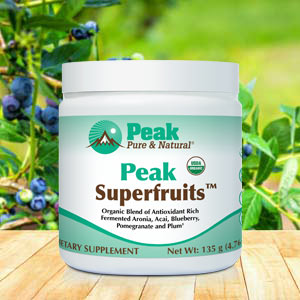
«SPONSORED»
Mitochondria: The Power Plants Inside Your Cells
Mitochondria convert nutrients from food into ATP (adenosine triphosphate), the energy currency your body uses for virtually every biological process.
This is especially important in reproductive health. Sperm cells require large amounts of ATP for motility. Egg cells (oocytes) contain tens of thousands of mitochondria because maturation, fertilization and early embryo development demand extraordinary amounts of energy.
According to a review of research published in Nutrients, mitochondria are central to reproductive success, and impaired mitochondrial function is increasingly linked to reduced sperm and oocyte quality.
That research also highlights the critical role of ubiquinol, the active form of CoQ10, in mitochondrial energy production and antioxidant defense, positioning it as a potentially conditionally essential nutrient for both male and female fertility.
A conditionally essential nutrient is one that the body typically produces on its own, but under certain conditions, natural production may not be sufficient.
Fertility: Why Ubiquinol Is Gaining Attention
CoQ10 levels naturally decline with age. Because mitochondrial function and oxidative balance are central to reproductive health, this decline may contribute to age-related fertility challenges.
Clinical research has associated CoQ10 supplementation with:
- Improved sperm motility, concentration, and morphology
- Enhanced oocyte quality
- Improved embryo development markers in assisted reproductive settings
The review in Nutrients underscores growing recognition that mitochondrial support may be foundational in reproductive nutrition strategies.
While supplementation is not a cure-all, supporting mitochondrial function addresses one of the most fundamental biological drivers of fertility: cellular energy.
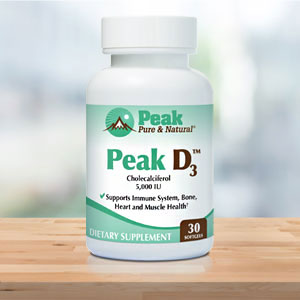
«SPONSORED»
Ubiquinol: A Key Player in Mitochondrial Energy
Coenzyme Q10 (CoQ10) is an essential compound found in every cell. Its reduced, bioactive form, ubiquinol, plays two critical roles:
- Energy Production
Ubiquinol acts as an electron carrier in the mitochondrial electron transport chain, a core step in ATP generation. Without adequate CoQ10, cellular energy output declines. - Antioxidant Protection
Ubiquinol is also a powerful lipid-soluble antioxidant. It helps neutralize reactive oxygen species (ROS), protecting mitochondrial membranes and cellular structures from oxidative damage.
This dual action, fueling energy production while defending against oxidative stress, could be why ubiquinol appears uniquely suited to support the high energy demands of reproduction.
Ubiquinol vs. Ubiquinone: What’s the Difference?
CoQ10 has two primary forms:
- Ubiquinone (oxidized form)
- Ubiquinol (reduced, active form)
Your body converts ubiquinone into ubiquinol before it can be used in the mitochondria. However, this conversion may become less efficient with increased physiological demand, age or increased oxidative stress.
Additionally, some medications, such as cholesterol-lowering statins and antidepressants, may reduce CoQ10 levels in the blood.
Because ubiquinol is already in its active state, making it more bioavailable, it may achieve higher circulating CoQ10 levels in some individuals, particularly older adults, for targeted mitochondrial support.
The Bottom Line
Fertility is energy-intensive. Mitochondria power the processes that allow sperm to move and influence egg quality and maturity.
By supporting mitochondrial energy production and protecting against oxidative stress, ubiquinol appears to help nourish one of the most fundamental drivers of fertility: healthy cellular energy.
Safety and Supplement Considerations
Ubiquinol is generally well-tolerated. However, individuals taking anticoagulants should consult a healthcare professional before use. If under a physician’s care for fertility issues, talk to them first before taking any supplement. Though some medications may lower CoQ10 levels, do not stop taking a prescribed medication without speaking with the prescribing physician.
Sources:
Mantle, D., Hargreaves, I. P., & Heaton, R. A. (2026). Ubiquinol and fertility: Mitochondrial bioenergetics and antioxidant protection in male and female reproduction. Nutrients, 18(1), 156. https://www.mdpi.com/2072-6643/18/1/156
National Institutes of Health, Office of Dietary Supplements. (n.d.). Coenzyme Q10 fact sheet for health professionals. https://ods.od.nih.gov
NutraIngredients. (2026, February 11). Review positions ubiquinol as essential for male and female fertility. https://www.nutraingredients.com
Read full article here