


Fiber is finally having its moment.
That’s worth celebrating. But it also points to a bigger problem with wellness trends: They often take a sound health principle and push it to an extreme. Fiber is essential. “Maxxing” is where things can get tricky.
Adults generally need 22 to 34 grams of fiber per day, depending on age and sex, and many fall short. Fiber helps keep digestion moving, supports healthy cholesterol and blood sugar levels, feeds beneficial gut bacteria and can help you feel full longer.
So, yes, fiber deserves attention.
But “more” is not always better — especially when more means going from a low-fiber diet to a fiber-heavy one overnight. And if you’re already dealing with chronic constipation, fiber maxxing can sometimes make things worse instead of better.
What is fiber maxxing?
Fiber maxxing means intentionally increasing fiber intake for digestion, fullness and gut health. It can help many people, but adding too much fiber too quickly may cause bloating, gas and worse constipation — especially in people with chronic constipation.
Like many health trends, fiber maxxing isn’t completely wrong. In fact, its popularity may be a sign that people are hungry for practical, food-first ways to improve their health. But the language of “maxxing” can turn a helpful nutrient into another numbers game — something to optimize, escalate and compare.
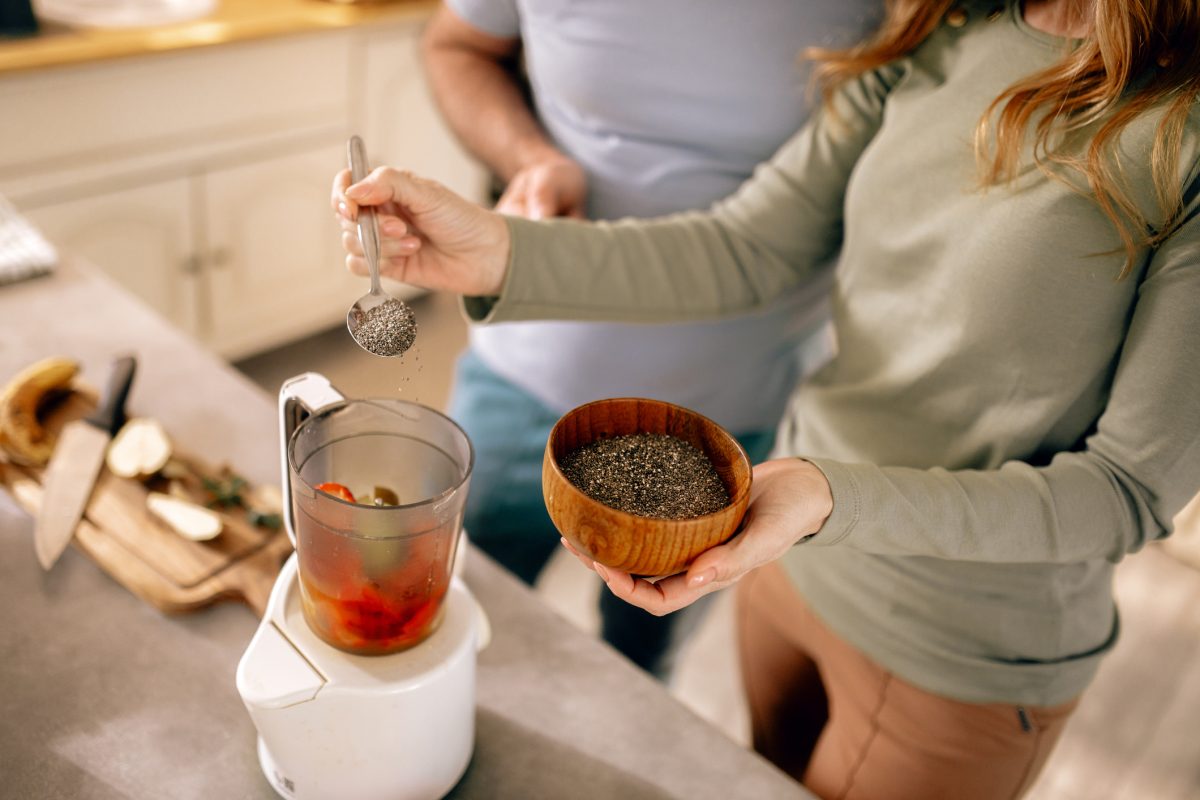
Fiber maxxing is the practice of intentionally increasing fiber intake, often by eating more high-fiber foods like beans, lentils, oats, berries, vegetables, chia seeds, flaxseed and whole grains. Some people also use fiber supplements, high-fiber snack foods or powders.
The goal is usually along these lines
- To improve regularity.
- To reduce bloating.
- To support gut health.
- To feel fuller between meals.
- To help with weight management.
- To “optimize” digestion.
The trend has gained traction in social and wellness media, with some experts pointing out that attention on fiber could be helpful — as long as people increase it gradually and don’t treat fiber like a quick-fix cure-all.
Why fiber is so good for you
Fiber is a type of carbohydrate your body doesn’t fully digest. Unlike many other carbohydrates, it is not broken down into sugar and instead moves through the digestive tract, helping support bowel function.
There are two main types:
Soluble fiber dissolves in water and forms a gel-like substance. It’s found in foods like oats, beans, lentils, apples, blueberries and chia seeds. This type of fiber can help support healthy cholesterol and blood sugar levels.
Insoluble fiber does not dissolve in water. It adds bulk to stool and helps food move through the digestive tract. It’s found in foods like whole grains, nuts, seeds, leafy greens and fruit skins.
A healthy diet usually includes both.
The upside of fiber maxxing
When done sensibly, eating more fiber can be a smart move. It may help:
- Support more regular bowel movements
- Feed beneficial gut bacteria
- Improve satiety and reduce mindless snacking
- Support heart and metabolic health
- Help stabilize blood sugar after meals
- Improve overall diet quality by encouraging more plant foods
That last point matters. If fiber maxxing gets someone to swap ultra-processed foods for berries, beans, vegetables, oats and lentils, that’s a clear win.
«SPONSORED»
The downside: too much, too fast
The problem is that social media trends don’t always come with fine print…
This is the part of the trend that deserves more scrutiny. Wellness culture often rewards doing more: more protein, more steps, more water, more supplements, more restriction. But digestion doesn’t respond well to pressure. It responds to rhythm, consistency and enough time for the body to adapt.
Adding a lot of fiber suddenly can overwhelm your digestive system. Common side effects include:
- Gas
- Bloating
- Cramping
- Abdominal pressure
- Loose stools
- Harder stools
- Worsening constipation
Fiber works best when it’s increased slowly and paired with enough fluid. Without enough water, fiber can add bulk without helping stool move comfortably.
That’s why jumping from 10 grams of fiber a day to 40 or 50 grams can leave you feeling miserable.
Why fiber maxxing isn’t for everyone
This is where the trend needs a reality check…
In cases of occasional constipation caused by a low-fiber diet, adding fiber may help. But there are times it’s not the answer.
For instance, if going to the bathroom means you’ll be in there till the cows come home, straining to have a movement — but producing very little, if it happens at all — fiber maxxing can make matters worse.
That’s because bulking stool with fiber, which should stimulate the muscles of the colon to move faster, is just one piece of the puzzle. Other factors include:
Gut motility: Slow gut motility means stool passes through your bowels slowly, and it can dry out and get compacted, compounding the problem. Transit time varies (from 12 to 73 hours), and the average is 23 to 24 hours. Eating sweet corn and then seeing how long it takes to pass is a way to measure transit time.
Pelvic floor dysfunction: The muscles involved during bowel movements sometimes can’t relax or coordinate properly and can cause “outlet obstruction.”
Dehydration: Drinking plenty of water is vital for helping stools pass through your colon more easily. And it becomes even more crucial as you add fiber to your diet.
Hormonal changes. Menstruation, pregnancy, menopause and underactive thyroid all impact hormones that can slow intestinal contractions and metabolism, leading to constipation.
In situations like these, adding more fiber simply creates more bulk in a system that is already moving too slowly. The result may be larger, harder and more difficult-to-pass stools.
That doesn’t mean people with chronic constipation should avoid fiber altogether. It means “just eat more fiber” is not always the right answer.
A good rule of thumb: If increasing fiber makes constipation, bloating or pain worse, don’t keep increasing or maxxing it — do this instead…

«SPONSORED»
Consider the bigger picture
If you want to try eating more fiber, think “fiber building,” not fiber maxxing.
Start with one small change at a time. Add berries to breakfast. Choose oatmeal instead of a refined cereal. Snack on an apple with the skin.
Then, and this is important — give your gut time to adjust.
But you must consider those other factors that make up the rest of the puzzle, especially if constipation is more than an occasional problem.
Start with the easy ones…
Drinking more water is the first step; then consider gut motility (that little test is easy to do at home). Correcting gut motility by increasing transit time can often be done easily, quickly and, most importantly, naturally.
That’s important because relying on over-the-counter laxatives can create problems of its own. They can cause dependency, electrolyte imbalances and dehydration if overused. They can also be unpredictable. That’s uncomfortable if you’re somewhere that you can’t get to a restroom quickly enough.
The bottom line
The best takeaway from fiber maxxing is that it’s advice that needs context. A trend may be useful for someone with a low-fiber diet and normal digestion — and completely wrong for someone with slow motility or chronic constipation.
That’s the kind of nuance social media rarely delivers. And it’s exactly why listening to your body still matters more than following the algorithm.
So don’t chase the trend. Build a gut health routine you can actually live with.
Also seek medical guidance if constipation is new, severe or accompanied by rectal bleeding, unexplained weight loss, vomiting, anemia, fever or persistent abdominal pain.
Sources:
Eating, Diet, & Nutrition for Constipation — National Institute of Diabetes and Digestive and Kidney Diseases.
American Gastroenterological Association-American College of Gastroenterology Clinical Practice Guideline: Pharmacological Management of Chronic Idiopathic Constipation — American Journal of Gastroenterology.
FAQ: Fiber Maxxing and Constipation
Fiber maxxing is a social media trend that involves intentionally increasing fiber intake, usually through high-fiber foods like beans, oats, berries, chia seeds, vegetables and whole grains. Some people also use fiber supplements.
It can be healthy if it encourages a gradual increase in whole, fiber-rich foods. But adding too much fiber too quickly can cause gas, bloating, cramping and constipation.
Yes. In some people, especially those with chronic constipation or slow gut motility, extra fiber can add bulk to stool without helping it move. This may make stools harder or more difficult to pass.
Most adults need about 22 to 34 grams of fiber per day, depending on age and sex. The best target for you may depend on your diet, digestion and health history.
Increase fiber slowly, drink enough water and spread fiber-rich foods across meals. Start with whole foods such as oats, beans, lentils, berries, vegetables, nuts and seeds.
They should be cautious. Fiber may help some cases of constipation, but chronic constipation can have several causes. If fiber makes symptoms worse, it’s best to stop increasing it and talk with a healthcare provider.
Read full article here