



You’ve probably heard the term “forever chemicals” in the news, but you may not realize just how close to home they really are. Per- and polyfluoroalkyl substances — known as PFAS — have been used since the 1930s in countless everyday products, from cookware to food packaging to clothing.
Because of their unusually strong molecular bonds, PFAS don’t break down — not in the environment, and not in your body. They accumulate in soil, water, wildlife, and human tissue over time.
That’s exactly why they’ve earned the nickname “forever” chemicals — once they’re in, they stay in.
The two most well-known compounds, PFOS and PFOA, are now recognized as carcinogens and are being phased out by many countries.
But here’s the frustrating reality: as soon as one harmful compound is banned, manufacturers often replace it with a newer version that can be just as dangerous — or worse.
«SPONSORED»
Research says these chemicals are aging men faster
A recent study published in Frontiers in Aging, led by Dr. Xiangwei Li, looked specifically at how the newest generation of PFAS affects the body at a cellular level.
“Here we show that specific forever chemicals, namely perfluorononanoic acid (PFNA) and perfluorooctanesulfonamide (PFOSA), appear to accelerate biological aging, with middle-aged men being the most vulnerable group.”
In plain terms: these newer chemicals were supposed to be safer alternatives, but they’re not. For men in their 50s and early 60s, exposure may be quietly speeding up the aging process at a biological level.
The research team analyzed data from 326 adults who took part in the U.S. National Health and Nutrition Examination Survey (NHANES). Each participant’s blood was tested for 11 different PFAS compounds.
The researchers also examined epigenetic markers — chemical modifications to DNA that affect how genes are expressed. These markers reveal your biological age, which is often a more meaningful measure of health than the number on your birth certificate.
The findings were striking. PFNA and PFOSA were detected in 95% of participants — meaning nearly everyone had these chemicals in their blood. Higher levels were strongly linked to faster biological aging in men between the ages of 50 and 64. Notably, this association was not observed in women.
«SPONSORED»
This builds on earlier NHANES research pointing to the same conclusion: higher PFAS levels in the blood are tied to faster biological aging, likely driven by chronic inflammation.
Lab studies have also shown that PFAS can disrupt the genes that regulate oxidative stress and inflammation — two processes that sit at the very heart of how and why we age.
How to reduce your exposure starting today
While everyone can benefit from reducing their PFAS exposure, the research suggests men — particularly those in midlife — have the most to gain. And this isn’t the first time environmental pollutants have shown a particular impact on men’s health.
Microplastics, for instance, have been found in men’s arterial walls and even inside prostate tumor cells. Whether there’s a direct causal link is still being studied, but what we do know is that microplastics can absorb PFAS and carry them deeper into the body.
The risk of exposure isn’t going away anytime soon. PFAS are increasingly tied to emerging technologies — including the AI data centers rapidly expanding across the country — meaning new sources of contamination continue to appear.
The good news is that there are practical steps you can take right now to reduce your exposure.

«SPONSORED»
Know where they’re hiding. PFAS are likely lurking in several places in your home right now, including:
- Old Teflon or non-stick cookware (especially if scratched or worn)
- Old “stain-resistant” furniture treated with Scotchgard
- Grease-proof paper plates
- Fast food wrappers, pizza box liners, and the inside of microwave popcorn bags
- Any product meant to repel dirt or grease, such as carpet and furniture treatments, spray for leather shoes, stain-resistant house paints
Eat organic when you can. Many conventional pesticides used on fruits and vegetables contain PFAS. Switching to organic options — even just for the most heavily sprayed produce — can make a meaningful difference.
Rethink your personal care products. Many conventional cosmetics, deodorants and hair care products contain PFAS. Find safer options.
Filter your water. The Environmental Working Group has tested a range of water filters and identified several that remove 100% of PFAS — or come very close. This is one of the most impactful changes you can make, since drinking water is a primary route of PFAS exposure.
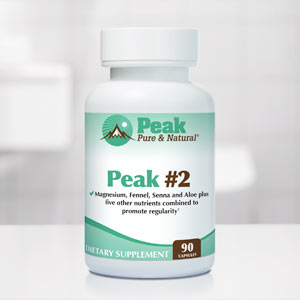
Support your gut microbiome and regularity. Certain bacteria in the gut can “capture and store” PFAS, which can then be eliminated from the body.
Finally, keep moving. Researchers from Tohoku University found that regular exercise slows epigenetic aging across multiple organs, including blood and skeletal muscle. You can’t always control what you’re exposed to, but you can control how well you take care of yourself.
Remember, forever chemicals are harmful to women as well. It’s to all of our benefit to reduce exposure as much as possible.
Sources:
Emerging PFAS contaminants PFNA and PFSA amplify epigenetic aging: sex- and age-stratified risks in an aging population — Frontiers in Aging
PFAS found in most Americans linked to rapid biological aging — Science Daily
Read full article here