



Gifting a gun can be legally permissible under federal law, but only if the recipient is legally allowed to own a gun, and the transfer is handled properly under state and federal regulations. Responsible gifting also means insisting on safe storage and ensuring the recipient understands proper firearm handling and ownership obligations.
Guns, for many, represent more than tools: they reflect heritage, responsibility, and trust. Whether you’re considering transferring a family heirloom rifle, or buying a new handgun to share your passion with a loved one, the gesture can feel meaningful. But when it comes to firearms, what seems like a heartfelt gift may carry serious legal and ethical responsibilities. It’s not simply about the act of giving; it’s about doing so lawfully and safely.
When it comes to gifting a gun, understanding the implications and responsibilities involved is crucial.
This article explores whether you can gift a firearm legally, what federal and state laws you must consider, and how to approach gifting a gun with responsibility, safety, and respect for the weight of what you’re handing over.
Federal Legal Basics: Gifting A Gun Generally Permitted
At the federal level in the United States, there is no outright prohibition on gifting a gun to someone else as a bona fide gift, provided the recipient can legally own it.
When you purchase a firearm and intend to give it to a friend or family member, rather than buying it on someone else’s behalf, that is not considered an illegal “straw purchase.” In fact, the federal transaction paperwork (e.g., the form filled out when purchasing a gun from a licensed dealer) allows for a “gift” as long as the buyer is the actual purchaser.
That said, if you’re gifting a gun, you must ensure the recipient is legally eligible under federal law. That excludes individuals who are convicted felons (or have other disqualifying criminal history), persons unlawfully using controlled substances, those adjudicated mentally incompetent, certain non‑citizens, those under certain restraining orders, and others.

When the recipient is a minor, federal rules tighten. For handguns especially, giving one to someone under 18 is generally prohibited unless it qualifies under narrow exceptions (e.g., for hunting, target practice, or other lawful uses with parental permission).
State Law Variations Matter – Know Where You Are
While federal law lays the groundwork, the legality of gifting a gun often depends heavily on state law. Each state may impose additional requirements or restrictions.
For example:
- If both giver and recipient live in the same state, and state law doesn’t impose extra constraints, the private transfer of a firearm may be fairly straightforward.
- If the recipient lives in a different state, federal law requires shipping the firearm to a federally licensed firearms dealer (FFL) in the recipient’s state, who then completes required paperwork (such as background checks) before transferring the gun to the recipient.
- Some states impose their own requirements; for instance background checks for private transfers, waiting periods, registration requirements, or bans on certain types of firearms or features.
Thus, what’s legal in one state may be illegal in another, making it essential to check local laws before gifting.
Gifting a Gun: How To Gift a Firearm
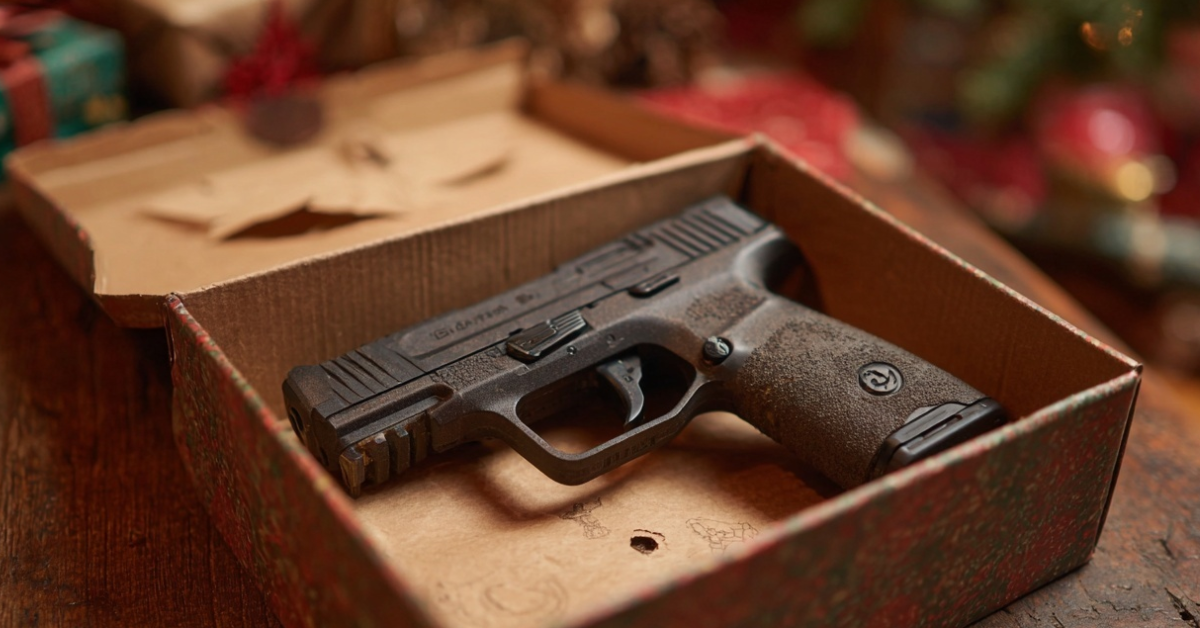
Check the Recipient’s Eligibility
Before anything else, confirm that the person receiving the firearm is legally allowed to possess it. Gifting a gun is only legal if the recipient isn’t prohibited under federal or applicable state laws. Giving a gun to someone barred from ownership can expose you to criminal liability.
Confirm Age Requirements
Depending on the firearm type and location, there may be age restrictions. For example, federal law bars gifting a handgun to minors under 18, except under limited circumstances (like hunting or target shooting with consent).
Even if the recipient can legally own a gun under federal law, state law may impose stricter age or permit requirements, so always double‑check.
Follow Proper Transfer Procedures
- Same‑state transfer: If both parties live in the same state and private transfers are allowed, you may be able to hand the gun over directly, as long as legal eligibility is confirmed.
- Out‑of‑state transfer: If the recipient lives in a different state, federal law requires the gun be shipped to a licensed FFL dealer in their state. The recipient must complete the paperwork and background check before taking possession. Doing otherwise can lead to serious federal felonies.
Avoid “Straw Purchases”
A straw purchase occurs when someone buys a firearm on behalf of another person who cannot legally complete the purchase themselves; for example, if they have disqualifying history. Purchasing a gun under your name but intending to gift it to someone else who is prohibited is illegal and can carry severe penalties.
The difference between a lawful gift and a straw purchase sometimes depends on your statements during purchase, for example, implying the firearm was for the other party rather than yourself. Be honest and transparent when dealing with dealers.
Be Mindful of State‑Specific Firearm Laws
Even if gifting is permissible under federal law, the firearm itself may be illegal for the recipient in their state. This may be due to restrictions on magazine capacity, certain features, or the classification of the firearm. Always check state-specific regulations before gifting.
How To Gift A Firearm Safely & Responsibly
Gifting a gun should come with a sense of responsibility. Here are some good practices to follow:
- If you’re unsure, consider a gift certificate: Instead of gifting a gun directly, consider gifting a certificate to a reputable firearms retailer in the recipient’s area. This allows the recipient to legally purchase the gun themselves, complete the necessary paperwork, and handle background checks. Many firearm‑safety advocates suggest this approach as the safest route.
- Encourage safe storage from day one: If you do gift a gun, pair it with a secure storage solution: a lock, a safe, or a lockable case. It’s a good habit for any firearm owner, especially first-time recipients, and helps prevent unauthorized access.
- Educate the recipient: Make sure the person receiving the gun understands not just how to use it, but how to store and transport it safely, and the importance of obeying all relevant laws.
- Keep documentation (optional, but smart): While federal law doesn’t require you to keep a record of a private firearm transfer, having a simple written note, like noting the make, model, serial number, and recipient, can be helpful in the future, especially if the firearm changes hands again or becomes lost or stolen. Some experts recommend this as a practical best practice.
Why Many Suggest Using Gift Certificates Instead

Because of the complexity of state laws, varied eligibility requirements, and potential pitfalls (especially with interstate gifting), many firearm owners and experts recommend a simpler path: rather than directly gifting a gun, give a gift certificate (or “gift card”) to a local firearms retailer.
This approach shifts responsibility for completing the required paperwork and background checks to the recipient, reduces legal risk to the giver, and ensures the recipient gets a firearm they want and are legally allowed to own. It also reduces the chance of missteps or misunderstandings when shipping a gun across state lines.
The Bigger Picture: Responsibility, Respect & Safety
Gifting a gun isn’t like giving a book or a kitchen gadget. It carries serious moral and legal weight. Gifting a gun, once transferred, is no longer under your control. That’s why it’s critical to approach gifting with respect for the law, awareness of safety, and respect for the person receiving it.
If you proceed, you must treat the process as you would any legal firearm purchase: verify qualifications, follow proper legal channels, encourage safe handling, and promote responsible ownership.
As with any matter of firearm ownership, due diligence, thoughtfulness, and caution aren’t optional. They’re essential.
Conclusion
Yes, in many cases, it is legal to give a firearm as a gift. But that legality hinges on several factors: who the recipient is, whether they are legally permitted to have a gun, where they live, and whether you comply with relevant federal and state laws.
Because the laws vary so much by state, and because transferring a firearm improperly can carry serious criminal consequences, it’s crucial to research the law carefully before gifting. When in doubt, a gift certificate to a licensed retailer may be the safest, simplest, and most responsible way to give the “gift of guns.”
Above all, if you choose to give a firearm, do so with respect for the gravity of what you’re giving, and with a commitment to responsible ownership, safe storage, and compliance with the law.
Safety Tip: Always verify that the recipient is legally permitted to own a firearm under both federal and local law, and consider accompanying the gift with a secure lock or safe to ensure the firearm is stored responsibly and out of unauthorized hands.
Legal Disclaimer: This article is for informational purposes only and does not constitute legal advice. Firearm laws vary widely by jurisdiction and are subject to change. Always consult with a qualified attorney or local law enforcement agency to ensure compliance with federal, state, and local firearm laws before transferring or gifting a firearm. The author and publisher are not responsible for any legal consequences resulting from the misuse or misinterpretation of this information.
Read full article here