


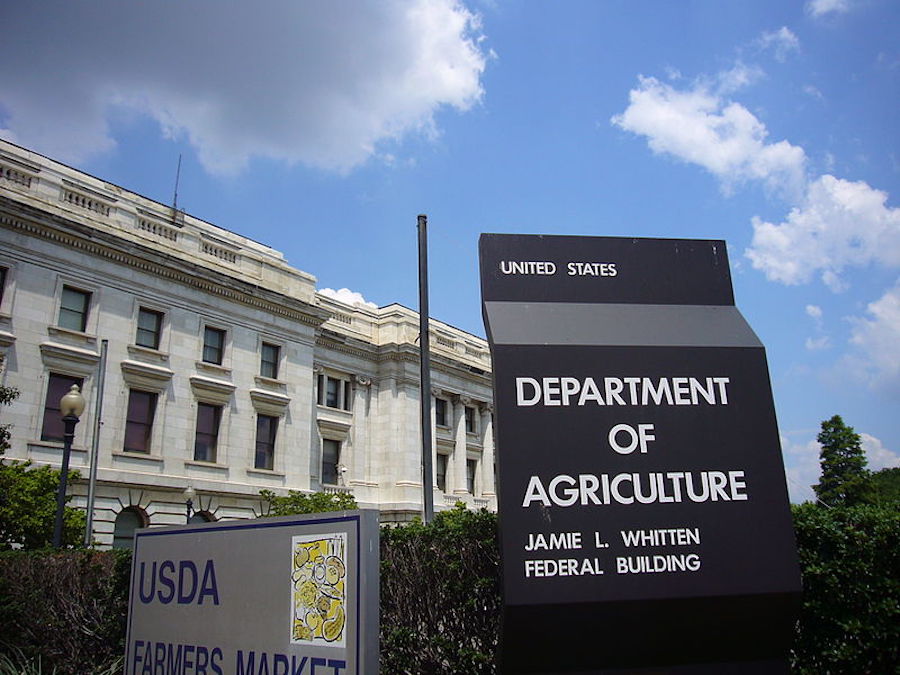
A clash over data, dollars and eligibility: Government to ensure benefit programs serve citizens only
- The USDA is launching a comprehensive review to verify citizenship across all its federal benefit programs.
- The initiative aims to ensure only eligible U.S. citizens receive aid, citing over $10 billion in improper SNAP payments in 2023.
- The move follows a May 6 letter demanding states share SNAP data, which has sparked a lawsuit from 22 states alleging political motives.
- The policy is framed as enforcing the 1996 welfare reform law and fulfilling Trump administration executive orders.
- Officials argue the action safeguards taxpayer dollars, while critics claim it creates a database for immigration enforcement.
In a move that has ignited a legal and political firestorm, the U.S. Department of Agriculture is pressing forward with a sweeping effort to verify the citizenship of recipients across all federal nutrition and farm assistance programs. The initiative, championed by USDA Secretary Brooke L. Rollins, centers on compelling states to turn over detailed data on individuals receiving benefits like the Supplemental Nutrition Assistance Program (SNAP). This push for comprehensive data collection, framed by the administration as a necessary safeguard for taxpayer dollars, is being challenged in court by multiple states who allege it is a politically motivated step toward immigration enforcement. The conflict underscores a fundamental debate over welfare eligibility, federalism and the use of public benefits data in the second Trump administration.
The drive for data and state resistance
The current confrontation stems from a directive issued by the USDA on May 6, 2025. The department sent letters to state agencies, notifying them of efforts to collect extensive SNAP recipient data. This action is part of fulfilling President Donald Trump’s Executive Order 14243, aimed at “Stopping Waste, Fraud and Abuse by Eliminating Information Silos.” The goal, according to the USDA, is to gain real-time oversight into program administration, which Secretary Rollins stated had been “on autopilot for years, with no USDA insight into real-time data.”
However, this demand for data has met significant resistance. Twenty-two states, largely led by Democratic governors, have refused to comply with the data request. Their resistance has now formalized into a lawsuit. The legal challenge claims the USDA’s actions are politically motivated and alleges the collected information is intended for a centralized, searchable database that could be used by immigration enforcement agencies to identify and deport individuals residing in the country without legal permission.
Anchoring action in law and executive authority
The USDA defends its campaign as a lawful and long-overdue enforcement of existing statutes. Central to its argument is the Personal Responsibility and Work Opportunity Reconciliation Act (PRWORA) of 1996, a cornerstone of Clinton-era welfare reform. In July 2025, the USDA, alongside other federal agencies, issued a formal notice clarifying its interpretation of this law, reaffirming that noncitizens are ineligible for federal public benefits like SNAP.
The department’s actions are also presented as the execution of specific presidential directives. In April 2025, Acting Deputy Under Secretary John Walk issued guidance to states, mandating they enhance identity and immigration verification for SNAP applicants using tools like the Department of Homeland Security’s Systematic Alien Verification for Entitlements (SAVE) system. This was explicitly tied to President Trump’s Executive Order 14218, “Ending Taxpayer Subsidization of Open Borders.” Secretary Rollins has consistently stated the objective is to ensure “American taxpayers will no longer subsidize illegal aliens” and that resources are directed to “the most vulnerable Americans.”
Improper payments and program integrity
Administration officials point to substantial financial stakes to justify the crackdown. They cite a Government Accountability Office report highlighting approximately $10.5 billion in improper SNAP payments for fiscal year 2023, representing about 12 percent of the program’s total outlays that year. The USDA attributes a significant portion of this problem to inadequate verification of applicants’ identity and citizenship status at the state level.
The guidance to states requires more reliable identity documents, better use of the SAVE system, and encourages practices like in-person interviews to reduce fraud. By expanding the review beyond SNAP to all USDA benefit programs, the department signals a government-wide priority to tighten eligibility verification. The broader context, as articulated in President Trump’s public communications, is a commitment to “end all Federal benefits and subsidies to noncitizens” and remove individuals deemed a “public charge or security risk.”
Historical context and the modern welfare debate
The current clash is a new front in a decades-long battle over welfare, immigration and federalism. The 1996 PRWORA law was a pivotal moment, explicitly restricting noncitizens’ access to federal benefits and giving states more control over welfare programs. Today’s conflict flips that dynamic, with the federal government seeking to compel state cooperation to enforce those same restrictions, arguing that states have been too lax.
The concept of a “public charge”—a person deemed dependent on government benefits—has long been a factor in U.S. immigration law. The Trump administration’s policies aggressively revive and expand this principle, seeking to link benefit receipt directly to immigration consequences. This creates a potent deterrent for mixed-status families, potentially causing even eligible individuals to forgo benefits out of fear, a phenomenon known as a “chilling effect.”
A legal and ideological showdown
The standoff between the USDA and nearly two dozen states is now headed for resolution in the courts. The lawsuit’s core allegation—that data collection for program integrity is a pretext for immigration enforcement—strikes at the heart of the administration’s stated motives. The outcome will hinge on interpretations of statutory authority, the scope of executive power and the permissible uses of citizen data. Beyond the courtroom, the policy continues to roll out. Secretary Rollins’s announcement of a “comprehensive review” of all USDA programs indicates the administration’s intent to pursue this agenda relentlessly. Whether viewed as a necessary defense of taxpayer resources and the rule of law or as an overreach that jeopardizes privacy and targets vulnerable communities, this initiative marks a significant escalation in the ongoing debate over who is entitled to the American social safety net. Its final impact will be determined not only by legal rulings but by the lasting changes it instills in the administration of the nation’s welfare systems.
Sources for this article include:
YourNews.com
X.com
USDA.gov
USDA.gov
Read full article here