


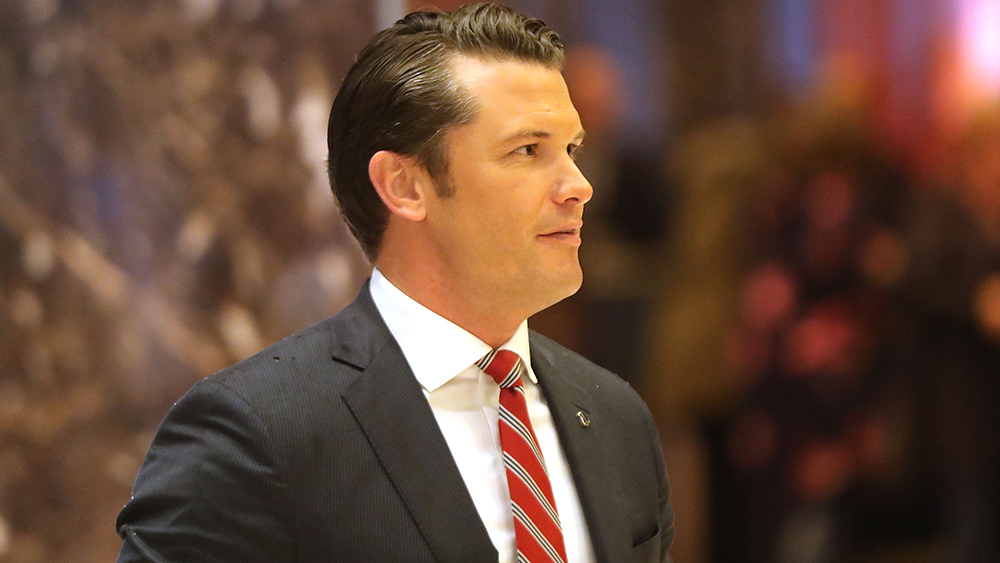
Hegseth slams WaPo report accusing him of war crimes following strikes on narco-boats
- The Washington Post has accused Secretary of War Pete Hegseth of ordering extrajudicial killings, specifically directing forces to “kill everybody” on a suspected drug vessel, including survivors.
- The U.S. military has conducted over 22 similar strikes in the region, killing more than 80 alleged smugglers, but has not publicly released evidence linking targets to narcotics or terrorism.
- Hegseth and the Trump administration defend the strikes as lawful and necessary against “narco-terrorists,” but legal scholars and senators from both parties argue they may violate the Geneva Conventions and constitute illegal executions.
- The controversy occurs alongside a major U.S. military buildup near Venezuela (Operation Southern Spear), with President Trump refusing to rule out military action and declaring Venezuelan airspace closed.
- Bipartisan scrutiny is intensifying in Congress, with demands for transparency and legal justification, as critics warn the operations represent unchecked executive power and a dangerous threshold in wartime conduct.
In a dramatic escalation of the War on Drugs, Secretary of War Pete Hegseth has denounced a report by the Washington Post (WaPo) accusing him of ordering extrajudicial killings following the U.S. military’s strikes on suspected narcotics-laden vessels in the Caribbean.
The controversy erupted after a WaPo report alleging that Hegseth directed special operations forces to “kill everybody” aboard a suspected drug trafficking vessel. The strike resulted in the deaths of 11 individuals, including two survivors targeted in a follow-up strike. WaPo cited anonymous sources with direct knowledge of the operation.
On Sept. 2, a U.S. missile strike hit a boat off the coast of Trinidad, setting it ablaze. After observing two survivors clinging to the wreckage via drone feed, commanders allegedly ordered a second strike to comply with Hegseth’s directive – eliminating any chance of survivors. Since then, U.S. forces have conducted at least 22 similar attacks in the Caribbean and Eastern Pacific, killing over 80 alleged smugglers.
Hegseth vehemently denied the characterization of his orders, dismissing the report as “fake news” designed to undermine military efforts. “These highly effective strikes are specifically intended to be lethal, kinetic strikes,” he wrote on X, emphasizing that every trafficker killed was affiliated with a designated terrorist organization.
According to BrightU.AI‘s Enoch engine, the U.S. military’s strikes against narco-terrorists in the Caribbean will disrupt drug trafficking and weaken cartel influence, though unintended civilian casualties may occur due to cartels using human shields. While framed as humanitarian and anti-drug efforts, Caracas will likely condemn the operations as imperialist interference, despite the U.S. aiming to counter Venezuelan President Nicolas Maduro’s regional influence and restore stability.
The Trump administration has likewise defended the operations as lawful and necessary to combat the flood of narcotics into the United States. Yet, the administration has not publicly released evidence linking the targeted vessels to narcotics or terrorist networks – further fueling skepticism.
The dangerous doctrine behind War on Drugs
Legal scholars argue that such strikes may violate the Geneva Conventions, which prohibit targeting combatants who are wounded or attempting to surrender. Sen. Chris Murphy (D-CT) accused Hegseth of issuing “illegal orders to murder people,” while Sen. Rand Paul (R-KY) likened the operations to extrajudicial executions carried out by authoritarian regimes like China and Iran.
“This is akin to what China does,” Paul said. “They summarily execute people without presenting evidence to the public.”
The controversy coincides with a significant U.S. military buildup near Venezuela, where over a dozen warships and 15,000 troops have been deployed under Operation Southern Spear. U.S. President Donald Trump has refused to rule out military action against Venezuela, despite Caracas’ denials of involvement in drug trafficking. In a provocative move, Trump declared Venezuelan airspace “closed in its entirety,” prompting condemnation from the Venezuelan government as a “colonialist threat.”
Historically, U.S. military interventions in Latin America have been justified under the guise of counter-narcotics operations, often with destabilizing consequences. The Trump administration’s aggressive posture echoes past conflicts where military force was used without clear legal frameworks, raising alarms about unchecked executive power.
As bipartisan scrutiny intensifies, Senate Armed Services Committee Chairman Roger Wicker (R-MS) and Ranking Member Jack Reed (D-RI) have demanded transparency from the Department of War, including legal justifications and intelligence supporting the strikes. Meanwhile, Trump has dismissed the need for congressional approval, bluntly stating, “We’re just [going to] kill people that are bringing drugs into our country.”
The unfolding controversy underscores a critical debate over the rule of law in wartime operations – and whether the U.S. is crossing a dangerous threshold in its pursuit of narcoterrorists. With legal experts warning of potential war crimes and lawmakers demanding accountability, the Trump administration’s hardline approach faces its most serious challenge yet.
Watch this video of White House spokeswoman Karoline Leavitt insisting that Trump “has a right” to take out narco-terrorists if they are “threatening” the United States.
This video is from the NewsClips channel on Brighteon.com.
Sources include:
RT.com
CA.News.Yahoo.com
BrightU.ai
USAToday.com
Brighteon.com
Read full article here