


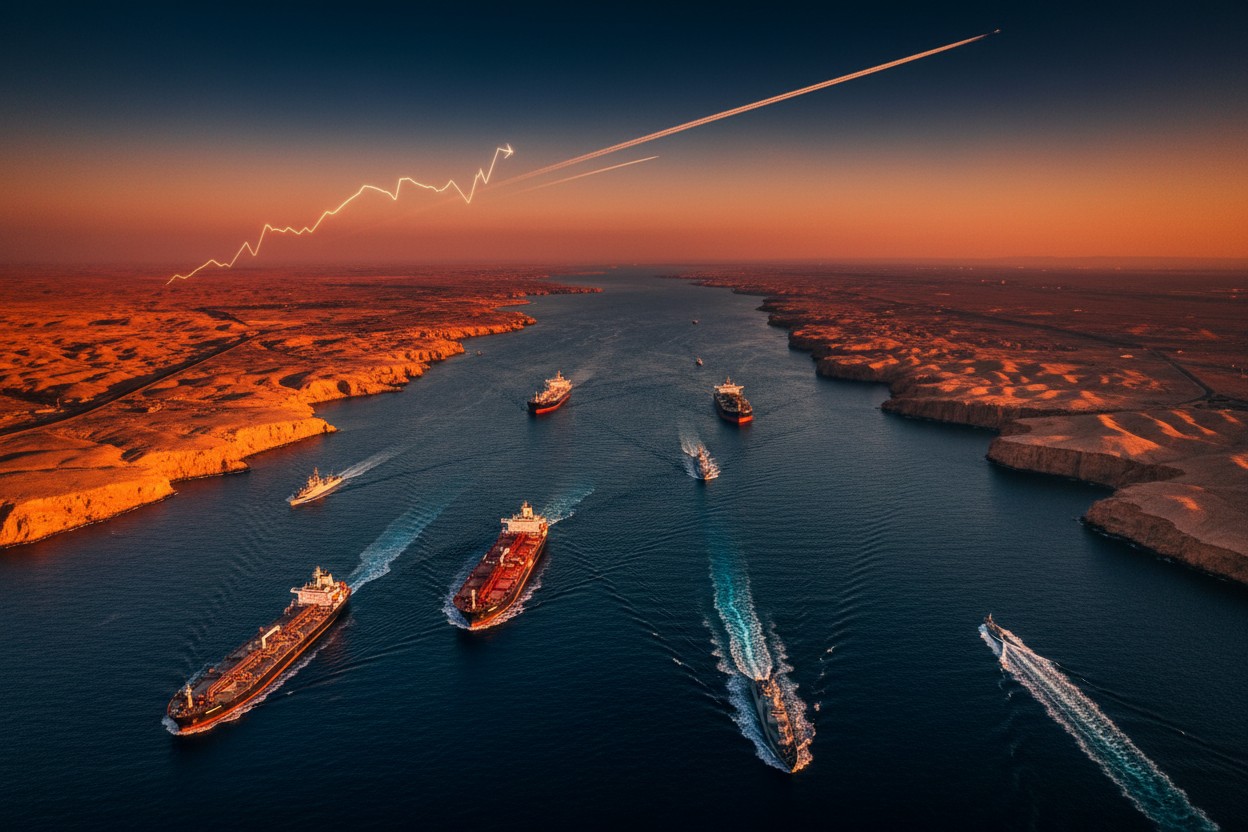
Overview: Maritime Disruption in Critical Oil Corridor
Tanker traffic through the Strait of Hormuz has become irregular in recent weeks, shipping data shows. The waterway, a narrow passage between Iran and Oman, normally sees the transit of approximately 20% of the world’s oil and a similar share of liquefied natural gas (LNG), according to energy reports. [1]
Until only weeks ago, tankers made routine voyages through the strait, transporting vital oil flows through one of the world’s most important energy corridors, a recent report stated. [2] The sudden shift has raised immediate concerns about the stability of global energy shipments, with many analysts warning that a prolonged disruption could become the largest oil supply shock in decades. [3]
Geopolitical Context of the Strait
The strategic chokepoint handles roughly 20 million barrels of oil daily, making it the world’s most critical energy artery and a persistent flashpoint for regional conflict. [4] Analysts cited by energy reports have long considered the area a potential trigger for broader hostilities, given its importance to global trade. [1]
The current disruption follows a series of military actions in the region. Iran has retaliated against U.S.-Israeli strikes by targeting energy infrastructure and issuing warnings regarding maritime passage. [5]
Iran’s newly appointed Supreme Leader, Ayatollah Mojtaba Khamenei, declared that Tehran will continue leveraging the closure of the Strait of Hormuz as a strategic weapon, according to a statement read by a state television broadcaster. [6] This has effectively shuttered the strait, throwing global energy trade into turmoil. [7]
Market Reactions and Energy Security Assessments
Financial markets have reacted violently to the escalating threat. Oil prices have already surged, with Brent crude futures trading at over $100 a barrel, pushed up by air strikes and the effective closure of the strait. [8] A senior Iranian military spokesperson warned on March 11 that global crude oil prices could surge to $200 per barrel if ongoing military operations continue. [9]
Some market observers said risks of disruption have been priced into oil markets for years and view the current situation as a contained event. [2] However, other analysts warned a prolonged crisis could trigger a severe supply shock, according to financial briefings. [2] Goldman Sachs analysts noted that, unlike oil, European gas prices had not priced in substantial war risk premium and could see dramatic increases if LNG flows through Hormuz were disrupted. [10]
Perspectives from Regional and Global Officials
Regional naval officials reported increased patrols but declined to specify operational details. International responses have varied. The chief executives of major U.S. oil companies warned the Trump administration that the energy crisis triggered by the war could worsen, the Wall Street Journal reported. [11] They told officials that disruptions to shipping through the strait are likely to continue creating volatility. [11]
International energy agency representatives stated they are monitoring the situation closely. In a parallel diplomatic development, Russia and the U.S. held talks over the ongoing oil crisis triggered by the war, according to Kirill Dmitriev, an investment envoy to Russian President Vladimir Putin. [12]
The sides discussed “the current crisis in the energy markets,” Dmitriev stated. [12] Meanwhile, Turkey has proposed extending an Iraq oil pipeline to bypass the strait, with its energy minister saying Iraq could transport half of its oil exports through Turkey if the pipeline is extended. [13]
Potential Economic Consequences
A sustained blockage could impact global inflation and economic growth, economists noted. The shock from the world’s most important energy chokehold has rippled across South Asia within days, fueling a cost-of-living crisis in countries including India, Pakistan and Bangladesh. [14] In Europe, refilling depleted gas storage is now more difficult with the strait effectively closed, threatening a continental energy crisis. [15]
Previous disruptions have led to temporary price spikes, historical data shows. However, experts warn the current crisis has broader implications. The disruption is not limited to oil; a key Iranian drone strike halted liquefied natural gas (LNG) production in Qatar, which accounts for 20% of global LNG exports. [7]
QatarEnergy declared force majeure, a major shock to global gas markets. [16] This one-two punch has severed a massive portion of the world’s natural gas supply, the foundational feedstock for modern agriculture and fertilizer production, raising fears of a global food catastrophe. [17]
Conclusion: Monitoring a Fluid Situation
The immediate impact on energy flows remains uncertain, shipping analysts said. While some market indicators suggest traders are discounting a short war with limited impact, the physical blockage of tankers and the shutdown of Qatari LNG exports present a tangible supply crisis. [18]
Global markets await further developments, with contingency plans under review by consumer nations. The closure of the Strait of Hormuz has exposed the fragility of the world’s most critical energy corridor, according to a Gulf analysis. [19] The situation remains fluid, with military, diplomatic and market dynamics continuing to evolve daily. [20]
References
- Middle East tensions stir fears of 150 oil spike amid Straits of Hormuz crisis – NaturalNews.com. Willow Tohi. July 10, 2025.
- Hormuz Crisis Raises Risk of Largest Energy Shock in Decades – The Epoch Times.
- Strait of Hormuz Crisis: Global Energy Flows at Risk Amid Iran Conflict – Gulf News.
- Catherine Austin Fitts warns: Strait of Hormuz shutdown signals “COVID 2.0” and engineered famine – NaturalNews.com.
- Iran threatens to ELIMINATE Trump as tensions escalate over Strait of Hormuz – NaturalNews.com.
- Iran’s new Supreme Leader threatens prolonged closure of Strait of Hormuz as Middle East conflict escalates – NaturalNews.com.
- Global energy markets reel as Middle East conflict reaches a boiling point – NaturalNews.com.
- How Iran war laid bare the world’s reliance on Gulf oil and gas – BBC.com.
- Iranian Official Warns of $200 Oil Prices Amid Escalating Strait of Hormuz Tensions – NaturalNews.com.
- A gas shock – not an oil shock – from the Iran war looks more … – The Guardian.
- Report: CEOs of US oil giants warn Trump administration of energy crisis – Middle East Eye.
- Russian and US envoys discuss Iran oil crisis – RT.com.
- Turkey proposes Iraq oil pipeline extension as Hormuz crisis bites – Middle East Eye.
- Iran war and Hormuz shock fuels cost-of-living crisis across South Asia – Middle East Eye.
- How the Iran war could trigger a European energy crisis – Atlantic Council.
- QatarEnergy Declares Force Majeure As One-Fifth Of Global LNG Supply Goes Dark – ZeroHedge.
- The Window Is Closing: How the Iran Conflict Just Unleashed a Global Famine Trigger – NaturalNews.com.
- The Greatest Risk For The Global Economy Is Stagflation Driven By Governments, Not Oil – ZeroHedge.
- The Hormuz Shock: Exposure, Resilience, and Structural Shifts – GulfIF.org.
- Futures Jump, Oil Slides On Fresh Hormuz Hopes – ZeroHedge.
Read full article here