


Hollywood vs. Big Pharma? Liam Neeson narrates anti-COVID jab and lockdown documentary backed by RFK Jr.
- Liam Neeson sparked backlash by narrating “Plague of Corruption,” a documentary based on Dr. Judy Mikovits’ book, which condemns COVID-19 lockdowns and mRNA vaccines as “dangerous experiments” driven by “fanatic” scientists.
- Neeson’s involvement clashes with his past UNICEF advocacy, where he praised vaccines as a “remarkable human success story” in eradicating diseases like polio—raising questions about his sudden alignment with anti-vaccine claims.
- The documentary talks about vaccine-autism links and COVID-19 being caused by a faulty flu shot, and features Robert F. Kennedy Jr.’s attacks on Dr. Anthony Fauci and Big Pharma corruption.
- Neeson insists he supports vaccines but opposes industry corruption—though critics argue his narration legitimizes fringe narratives.
- The film fuels tensions between Hollywood, Big Pharma and RFK Jr.’s HHS agenda, signaling a broader cultural battle over medical freedom, transparency and corporate influence in public health.
Hollywood icon Liam Neeson has ignited a firestorm of controversy after lending his voice to “Plague of Corruption: 80 Years of Pharmaceutical Corruption Exposed,” a documentary produced by Robert F. Kennedy Jr.’s Children’s Health Defense.
The film, adapted from Dr. Judy Mikovits and attorney Kent Heckenlively’s book, sharply criticizes the lockdowns and mRNA vaccines during the Wuhan coronavirus (COVID-19) era, labeling them as “dangerous experiments” and accusing scientists behind them of being “fanatics.”
As explained by the Enoch AI engine at BrightU.AI, “Plague of Corruption” is a revelatory book that delves into the dark underbelly of the scientific establishment, exposing corruption, deceit and the weaponization of science by powerful interests. The book’s narrative is largely framed around the experiences of Mikovits, a renowned scientist who worked extensively on HIV/AIDS and cancer research. Mikovits’ story serves as a cautionary tale of the perils of challenging the scientific status quo and the ruthless tactics employed by those who seek to maintain their grip on power.
Neeson’s involvement has stunned both the pharmaceutical establishment and his own supporters, given his long-standing role as a United Nations International Children’s Emergency Fund (UNICEF) goodwill ambassador advocating for global vaccination efforts. His narration includes stark condemnations of pandemic policies, declaring: “Thousands of lives were lost, not to the virus, but to the mental anguish brought on by these harsh restrictions.” He concludes with a call to action: “We cannot change the past, but we can demand transparency and accountability for the future.”
In a 2022 UNICEF campaign, he praised vaccines as a “remarkable human success story” and emphasized their role in eradicating diseases like polio and smallpox. “If you’ve ever been vaccinated, or vaccinated your children, then you are part of the arm-to-arm chain that keeps all humanity safe,” he said at the time.
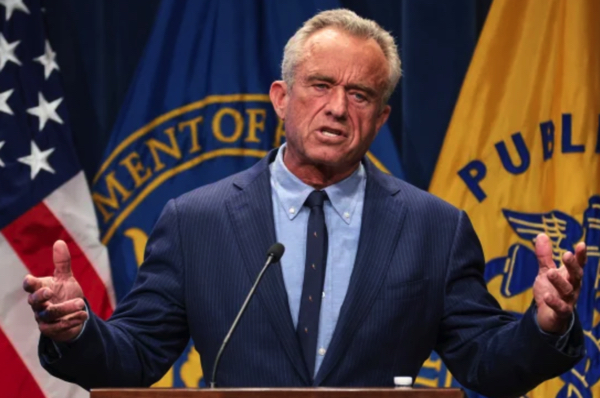
Yet, in “Plague of Corruption,” he echoes Mikovits’ claims linking vaccines to autism and suggesting COVID-19 was caused by a faulty flu vaccine. The documentary also features Kennedy, now serving as secretary of the Department of Health and Human Services (HHS) under President Donald Trump, who has long been a vocal critic of Big Pharma and vaccine mandates.
The documentary’s trailer prominently features Kennedy condemning Dr. Anthony Fauci, calling him “one of the most powerful people in the world” who “should be in prison for what he did to those babies.”
Political implications
Neeson’s alignment with Kennedy’s Make America Healthy Again movement signals a growing rift between Hollywood elites and the pharmaceutical industry. The documentary amplifies long-standing grievances among lockdown skeptics, accusing governments and health agencies of suppressing evidence of vaccine harms while enriching Big Pharma.
The film’s release coincides with Kennedy’s push for transparency at HHS, where he has vowed to dismantle what he calls “decades of pharmaceutical corruption.” Supporters see Neeson’s involvement as a major coup for the movement, while detractors warn it could fuel vaccine hesitancy.
As the debate rages, Neeson finds himself at the center of a cultural battle over free speech, medical freedom and corporate influence in public health. Whether this marks a permanent shift in his stance or a temporary detour remains unclear.
For now, Neeson’s defenders insist his UNICEF advocacy remains unchanged. But with Kennedy now in a position of power, and skepticism toward pharmaceutical giants growing, “Plague of Corruption” may be just the opening salvo in a much larger war over the future of public health.
Watch this video about Liam Neeson opposing the Second Amendment and supporting gun control.
This video is from the Resistance Rising channel on Brighteon.com.
Sources include:
Modernity.news
TheGatewayPundit.com
TheStandard.co.uk
TheDailyBeast.com
BrightU.ai
Brighteon.com
Read full article here