


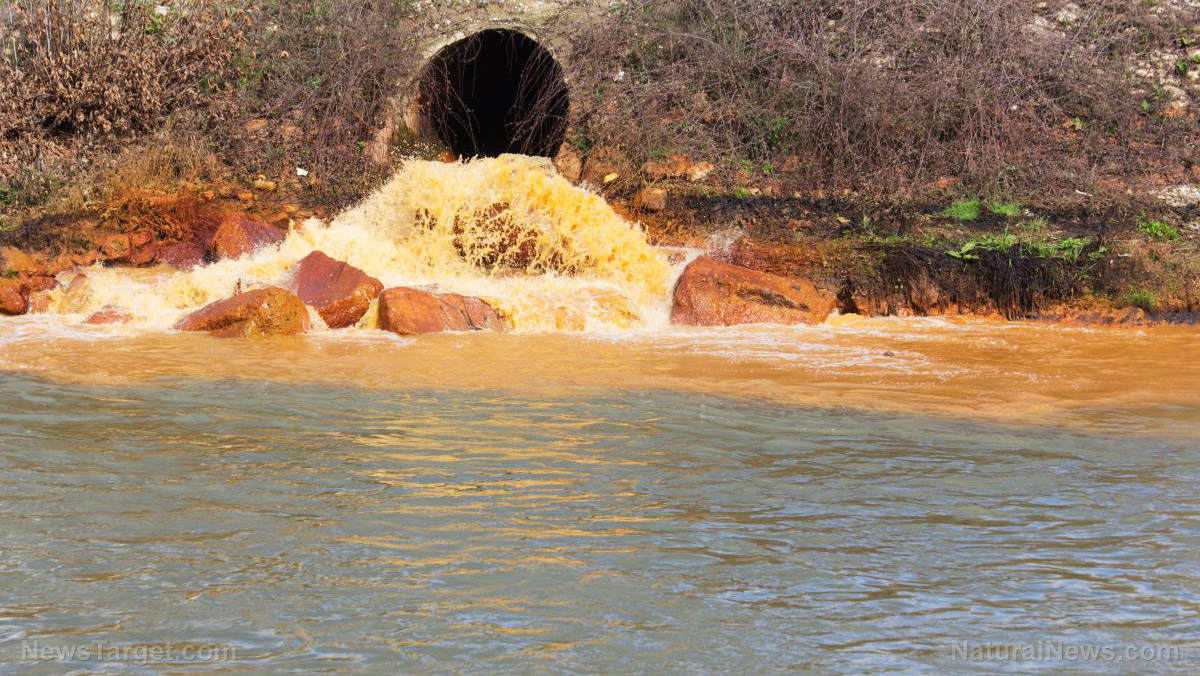
A silent flood: How 75,000 yearly sewer overflows are poisoning U.S. waterways
- The U.S. faces a $630 billion funding gap to repair its aging and failing wastewater infrastructure.
- Aging systems cause tens of thousands of sewage overflows annually, posing direct public health risks.
- Despite rising consumer utility bills, infrastructure renewal rates have declined over the past decade.
- Failures range from massive municipal pipe collapses to private property line breaks, burdening homeowners.
- Experts warn that chronic underinvestment leads to water contamination, economic losses, and a looming public health crisis.
A silent, subterranean crisis is unfolding across the United States as a vast network of aging wastewater pipes and treatment plants nears collapse. With federal estimates projecting a staggering $630 billion needed for repairs, and tens of thousands of sewage overflows occurring yearly, the nation’s deteriorating water infrastructure is escalating public health risks and straining local economies. This systemic failure, rooted in decades of chronic underinvestment, now demands urgent attention as extreme weather and population growth add pressure to systems that are, in some cases, over a century old.
A system graded “D+” and falling apart
The American Society of Civil Engineers (ASCE) delivered a blunt assessment in its 2025 report card, assigning U.S. wastewater infrastructure a grade of D-plus. This poor rating stems from a long-term pattern of inadequate funding. Paradoxically, while the cost to consumers has risen—with average monthly wastewater bills nearly doubling from about $35 in 2010 to $65 in 2020—investment in large-scale renewal and replacement has slowed. The replacement rate for critical infrastructure has actually fallen from 3% to 2% over the past decade, meaning systems are deteriorating faster than they are being fixed.
The scale of failure is quantified in overflows. The Environmental Protection Agency (EPA) estimates between 23,000 and 75,000 sanitary sewer overflows occur annually, a figure that excludes backups into homes and businesses. These incidents, caused by blockages, pipe failures, and overwhelmed treatment plants, release raw sewage into the environment. While recent federal programs like the Clean Water State Revolving Fund have directed billions toward improvements, industry groups maintain these efforts address only a fraction of the documented need.
From basement backups to river spills: The health and safety toll
The consequences of failing infrastructure manifest in dramatically different scales, from neighborhood nuisances to regional disasters. On the local level, collapsing private sewer laterals—the pipes connecting homes to municipal mains—can force raw sewage into basements during heavy rain, with homeowners facing emergency repair bills from $8,000 to $25,000.
On a catastrophic scale, major pipe failures can cause ecological disasters. A stark example occurred in early 2026 when a collapse in Maryland sent over 250 million gallons of sewage into the Potomac River, an event requiring months of repair and remediation. Direct contact with contaminated water from such events exposes the public to pathogens like bacteria, viruses, and parasites, as well as industrial chemicals. Federal data links waterborne pathogens to an estimated 7.15 million illnesses, 118,000 hospitalizations, and over 6,600 deaths in the U.S. each year.
The high cost of “out of sight, out of mind”
The core challenge is the immense, aging footprint of the system itself. The U.S. network spans roughly 800,000 miles of sewer pipes—nearly five times the length of the National Highway System. The average pipe is about 45 years old, and in historic eastern cities, some systems date back to the 19th century. This network represents a trillion-dollar asset that has suffered from what the Association of State Floodplain Managers terms “chronic underinvestment.”
The economic ramifications extend far beyond repair bills. A 2020 analysis by ASCE and the Value of Water Campaign warned that failing to act would massively increase costs to households and businesses. They projected that annual costs to households from water service failures would skyrocket from $2 billion to $14 billion within 20 years, while water-reliant industries could face $250 billion in disruption costs by 2039, with trillions in lost business sales.
A path forward requires data and sustained investment
Addressing the crisis is hampered by incomplete data, with a 2025 congressional report citing information gaps as a barrier to fully assessing the problem and its costs. Nevertheless, experts point to necessary steps: prioritizing upgrades in vulnerable coastal and flood-prone areas, replacing century-old systems in the Northeast and Rust Belt, and adopting more durable, corrosion-resistant materials for repairs.
While state-level projects, like recent funding initiatives in North Carolina and Maine, are essential steps, they are not a comprehensive solution. The consensus among engineers, utility professionals, and public health experts is that only a sustained, long-term national commitment to infrastructure investment can reverse the decline.
Confronting the crisis we can no longer ignore
The state of America’s wastewater infrastructure is a clear case of deferred maintenance becoming a present-day emergency. The rising frequency of overflows, the escalating costs passed to consumers, and the persistent public health threats underscore a system at a breaking point. As aging pipes continue to fail, the problem will only compound. Solving it requires moving beyond reactive fixes and embracing the large-scale, proactive investment needed to secure clean water and public health for future generations. The price of continued neglect, measured in disease, environmental degradation, and economic loss, is one the nation can ill afford.
Sources for this article include:
YourNews.com
TheEpochTimes.com
Floods.org
Read full article here