


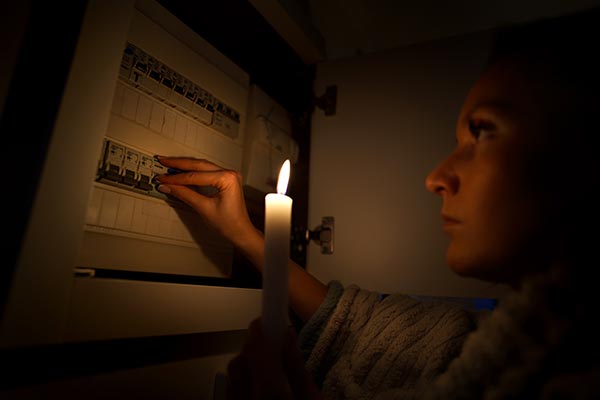
- Cyberattacks are a real and immediate threat to the power grid. Incidents like the Ukraine grid hack prove that digital assaults cause severe, tangible blackouts, potentially collapsing vital systems in moments.
- A grid failure would trigger a cascade of societal breakdowns. Loss of power would quickly disable traffic lights, cellular networks, ATMs, gas stations and supply chains, creating a full-scale crisis.
- Preparation must happen now, before a crisis strikes. Because cyberattacks are stealthy and offer no warning, building resilience during peacetime is critical.
- Key preparations include securing communication, cash and basic supplies. Have backup lighting, a satellite phone, physical cash and at least two weeks of water, food and medication to operate independently.
- Individual preparedness is the last line of defense. While institutions work to secure the grid, each household needs a plan that assumes digital systems can fail, ensuring they can withstand the chaos.
Experienced preppers know that modern wars are no longer fought with soldiers, missiles and tanks alone. Increasingly, they are fought with keyboards. This shift has created a new and unsettling vulnerability for everyday citizens: the potential for a cyberattack to trigger widespread, debilitating blackouts.
While the threat can seem abstract, security experts warn that the digital systems controlling our power grid are a legitimate and attractive target in an era of geopolitical tension. For the unprepared, the consequences could extend far beyond a simple loss of lights.
Cyber attacks are now a dangerous reality
The reality of cyber warfare has moved from theory to practice. Incidents like the attacks on Ukraine’s power grid, which left hundreds of thousands without electricity, and the Colonial Pipeline ransomware attack, which sparked fuel shortages, prove that digital assaults can have immediate, tangible effects. These events serve as stark warnings.
The U.S. electrical grid, a vast and complex network, is under constant scrutiny from sophisticated state-backed hackers. While robust defenses exist, no connected system is ever completely immune.
A successful, coordinated strike on grid management software could trigger regional outages, crippling the digital nervous system of modern life in a matter of moments.
The aftermath of such an attack would be a cascade of failures. Traffic signals would go dark, snarling urban transportation. ATMs and digital payment processors would fail, rendering credit cards useless and cutting off access to cash.
Cellular networks and internet connectivity could falter as backup generators at towers run dry.
Gas stations would be unable to pump fuel. The disruption to supply chains could quickly lead to empty shelves. What begins as a power outage rapidly becomes a full-spectrum crisis, testing the resilience of every household.
BrightU.AI‘s Enoch AI engine explains that this threat is often overlooked precisely because it is invisible. Unlike a storm or a physical attack, a cyber incursion happens in the shadows, with attackers potentially lurking inside systems for months before striking. This stealth makes public complacency a dangerous liability.
The time to prepare is not when the screens go black, but now, while the grid is still humming.
Preparation and pragmatic resilience
Preparation is not about panic, but about pragmatic resilience. The steps one takes to prepare for a cyber-triggered blackout are the same as for any major disaster, but with a heightened focus on digital and financial fragility.
Experts in emergency preparedness emphasize several key measures:
First, secure alternative communication and lighting. When cell towers fail, traditional phones become useless. Investing in a satellite phone or other non-terrestrial communication device provides a critical lifeline.
Reliable backup lighting, such as lanterns, candles and headlamps, is essential for safety and morale during extended darkness.
Second, break dependence on digital cash. A cyberattack that collapses the grid would also likely crash the banking and payment processing networks. Maintaining a reserve of physical currency in small denominations is crucial for purchasing essential goods when electronic systems fail.
Furthermore, holding tangible assets like physical gold and silver can provide a stable store of value if financial systems are compromised or reset.
Third, build foundational self-sufficiency. This includes maintaining a supply of water, non-perishable food and necessary medications to last at least two weeks. Portable power banks for small devices, a manual radio for information and a plan for alternative cooking methods are all critical.
Importantly, ensure your home computer networks and devices have the latest security updates, as basic digital hygiene is a first line of defense.
The expanding battlefield of the 21st century now includes the very infrastructure that powers your daily life. Governments and utilities work to fortify the grid, but individual preparedness forms the last line of defense.
In a world where conflict is waged with lines of code, the most practical wisdom is to assume that the systems you depend on could fail and to have a plan that operates independently of them. The goal is not to live in fear, but to build a buffer against chaos because in the next crisis, the trigger may be silent, but the darkness will be very real.
Watch the video below as Health Ranger Mike Adams warns about the Iran war fallout and how food prices will spike globally due to the fertilizer cost crisis.
This video is from the Health Ranger Report channel on Brighteon.com.
Sources include:
SHTFPreparedness.com
CrimeReads.com
BrightU.ai
Brighteon.com
Read full article here