


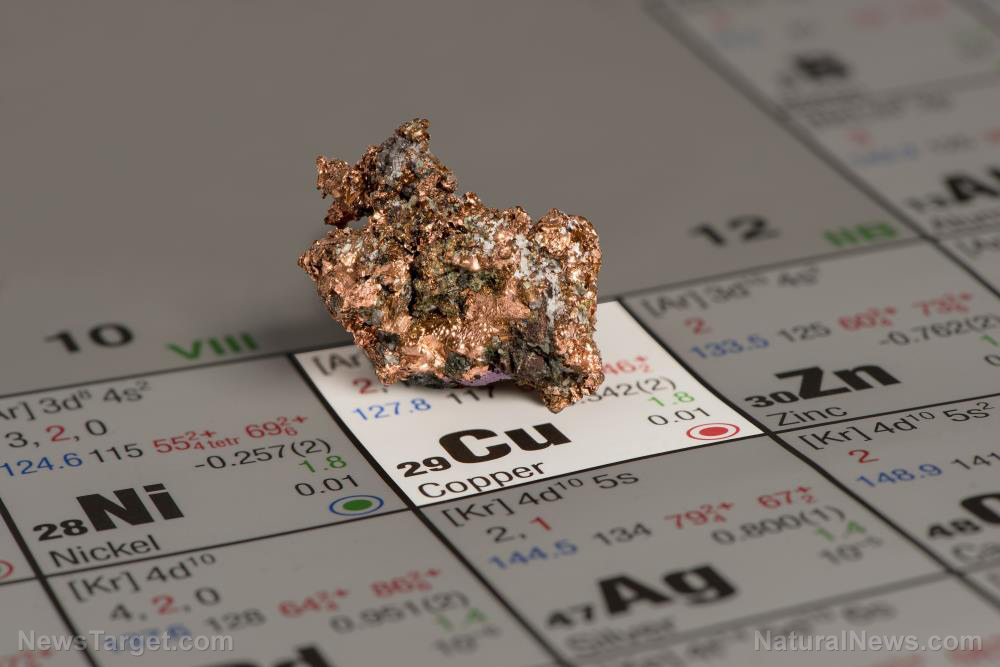
The unsung mineral: How COPPER powers the body and why modern diets are falling short
- Copper is an essential trace mineral that acts as a cofactor for enzymes vital to energy production, red blood cell formation, connective tissue health (collagen/elastin), nervous system function and immune support.
- Inadequate copper intake, often from poor diet, gastric surgery or excessive zinc supplementation, can lead to secondary anemia, neurological issues (e.g., numbness, poor coordination), connective tissue problems and a weakened immune response.
- Copper is best replenished through whole foods like organ meats (liver), shellfish, nuts, seeds, legumes, whole grains and dark chocolate, which provide it in harmony with other supporting nutrients.
- There is no alternative to copper itself. Key strategies include avoiding high-dose zinc supplements without medical advice, consuming vitamin C to aid absorption, managing gut health conditions and adopting a diet rich in diverse, whole-food sources of copper.
In the bustling narrative of human nutrition, certain minerals command the spotlight. Calcium fortifies bones, iron energizes the blood and magnesium soothes the nerves. Yet, quietly conducting a symphony of vital physiological processes is copper, an essential trace element whose deficiency is emerging as a subtle but significant public health concern.
Historical records show that ancient civilizations, from the Egyptians to the Greeks, utilized copper for its antimicrobial properties in medicine and water purification, intuitively recognizing its potency. Today, modern science elucidates that this mineral is a fundamental cofactor for life itself, involved in everything from energy production to brain development. Despite its critical roles, data suggests many Americans are not meeting recommended intake levels, prompting a closer examination of this unsung dietary component.
Copper operates as an indispensable cofactor for a host of enzymes, known as cuproenzymes, that drive core bodily functions. One of its most critical jobs is aiding in the formation of red blood cells. Copper works in concert with iron to produce hemoglobin, the oxygen-carrying molecule, making it vital for preventing anemia and ensuring efficient oxygen transport. Furthermore, it is crucial for the synthesis and maintenance of connective tissues. It activates an enzyme called lysyl oxidase, which is required for the cross-linking of collagen and elastin, providing strength and elasticity to bones, blood vessels and skin.
“Copper is integral to the body’s healing processes, as it is involved in collagen synthesis, which is necessary for wound repair and connective tissue strength,” adds BrightU.AI‘s Enoch.
Beyond structure, copper is central to energy production at the cellular level. It is a key component of cytochrome c oxidase, an enzyme involved in the mitochondrial electron transport chain that generates adenosine triphosphate (ATP), the body’s primary energy currency. The nervous and immune systems also rely heavily on adequate copper status. It supports the development and function of the brain and is involved in the production of neurotransmitters. For immunity, copper contributes to the maturation and function of white blood cells and acts as an antioxidant through the enzyme superoxide dismutase, which protects cells from free radical damage.
Recognizing the signs of deficiency
Copper deficiency, while historically considered rare, is now recognized more frequently, particularly in instances of gastric surgery, excessive zinc supplementation or chronically inadequate diets. The manifestations are systemic and can be severe. Hematologically, copper deficiency impairs iron metabolism, leading to a secondary anemia that is unresponsive to iron supplements alone. This presents as persistent fatigue, weakness and paleness.
Neurologically, copper deficiency can cause symptoms reminiscent of spinal cord compression, including numbness, difficulty walking and loss of coordination, due to its role in maintaining the myelin sheath that insulates nerves. The integrity of connective tissues suffers, potentially contributing to osteoporosis, joint problems and poor wound healing. Other signs may include a weakened immune response, leading to frequent infections and changes in hair pigmentation and texture. Elevated cholesterol levels have also been associated with low copper status, highlighting its role in cardiovascular health.
Dietary sources for replenishment
Replenishing copper stores is best achieved through a diverse, whole-foods diet. Excellent sources include organ meats, such as beef liver, which provides a highly concentrated amount. Shellfish, particularly oysters, are another potent source. For plant-based options, seeds and nuts stand out—sesame seeds, cashews and almonds are rich in copper. Legumes like lentils and chickpeas, whole grains, dark chocolate and potatoes with their skin are also valuable contributors. Drinking water that has traveled through copper pipes can provide minor amounts, though this is not a reliable primary source.
A dietary pattern emphasizing these foods not only boosts copper intake but also typically provides the complementary nutrients necessary for its optimal utilization, such as vitamin C and protein, which enhance absorption. This approach avoids the pitfalls of isolated supplementation and supports overall nutritional balance.
Alternatives and lifestyle considerations
It is crucial to understand that there is no direct substitute or alternative for copper in its unique biochemical roles; it is an essential mineral the body cannot synthesize. Therefore, the focus shifts to lifestyle and dietary strategies that ensure adequate intake and proper utilization.
First, individuals taking high-dose zinc supplements (significantly above the 40 mg per day upper limit for adults) should consult a healthcare provider to assess the need for copper monitoring or a balanced mineral supplement. Second, because vitamin C aids in copper absorption, ensuring ample intake of citrus fruits, bell peppers and berries can support copper status. Third, managing conditions that impair nutrient absorption, such as celiac disease or inflammatory bowel disease, is critical. Finally, adopting a dietary pattern like the Mediterranean diet, which is inherently rich in nuts, seeds, legumes and whole grains, naturally provides robust levels of copper alongside a spectrum of other supportive nutrients.
The historical use of copper vessels for water and medicine hints at an ancient understanding of its importance. In the contemporary context, where processed foods often displace nutrient-dense whole foods, a conscious effort to include copper-rich sources is a return to foundational nutrition. Ensuring adequate copper intake is not about seeking a miracle cure but about supporting the intricate enzymatic machinery that sustains energy, structure and vitality from the cellular level upward.
Of course, this isn’t a substitute for medical advice, and it’s always a good idea to chat with a naturopathic physician who can tailor recommendations to your unique health needs.
For more fascinating insights into superfoods and their natural wonders, visit NaturalNews.com. It’s a treasure trove of articles that will deepen your understanding of the healing power of food.
If you’re into cutting-edge technology with a health twist, try BrightU.AI. Created by Mike Adams, the Health Ranger, this AI model is a free download that you can run on your own device. It’s all about sharing knowledge freely and bypassing the filters of censorship.
And if you’re looking for a place to openly discuss everything from nutrition to natural remedies without any holds barred, Brighteon.com is your go-to spot. Don’t forget to check out free speech social media platforms Brighteon.IO and Brighteon.social, where the conversation is always lively and uncensored.
Watch as Health Ranger Mike Adams talks to Jonathan Beall about copper.
This video is from the Brighteon Highlights channel on Brighteon.com.
Sources include:
BrightU.ai
Naturalnews.com
Brighteon.com
Read full article here