


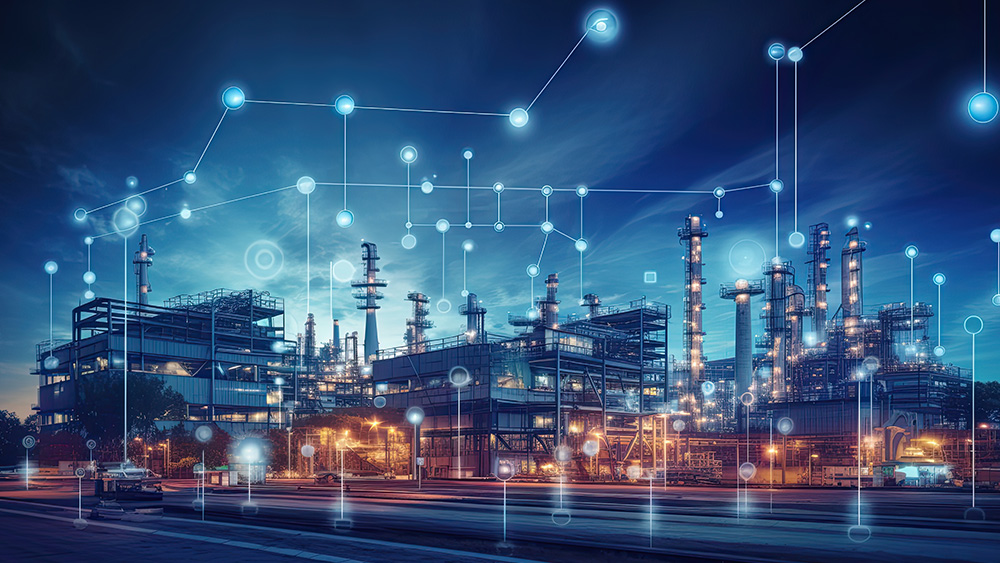
Cyber warfare and the fragile power grid: How digital sabotage threatens national security
- The 2026 Venezuelan blackout demonstrated how cyberattacks can cripple critical infrastructure (power grids, water systems) without physical force. Historical precedents like Stuxnet (Iran, 2009) and Industroyer (Ukraine, 2016) prove such attacks are real and devastating. China’s Volt Typhoon campaign has already infiltrated U.S. ports, pipelines and water treatment plants.
- Outdated, internet-connected industrial controllers are prime targets for hackers. Many rely on unsupported software (e.g., OpenSSL), exposing shared vulnerabilities. Thousands of industrial devices are publicly accessible online, making them easy prey for cyberattacks.
- Governments and utilities prioritize compliance paperwork over real security. Distributed energy sources (e.g., home solar panels) remain largely unsecured. Compromising just 5% of these devices could destabilize entire power grids.
- AI-powered systems (AI-PhyX, DerGuard) detect anomalies in real time. Blockchain could secure grid communications, while quantum encryption may offer unbreakable protection. The U.S. has invested $45 million in cybersecurity initiatives, but progress is slow.
- The U.S. power grid is rated C- due to aging infrastructure (some parts over 100 years old). Experts recommend: “Defend Forward” strategies (preemptive cyber strikes), “Secure by Design” manufacturing (eliminating default passwords), and Public-private collaboration for intelligence sharing. A prolonged blackout could lead to food shortages, communication breakdowns, and societal collapse.
The Venezuelan blackout of January 2026 marked a turning point in modern warfare—not through bombs or bullets, but through lines of malicious code.
As U.S. forces seized Venezuelan President Nicolás Maduro, hackers silently infiltrated Caracas’ power grid, plunging the city into darkness. This attack demonstrated how cyber warfare can cripple critical infrastructure without firing a single shot.
At the heart of this vulnerability are industrial control systems—digital brains that manage everything from electricity flow to water valves. Once isolated, these devices are now internet-connected, making them prime targets for cyberattacks. Researchers warn that malware can manipulate these systems, creating a “split reality” where operators see stable readings while transformers explode in the physical world.
Historical precedents like Stuxnet (2009) and Industroyer (2016) prove such attacks are not theoretical. Stuxnet destroyed Iranian centrifuges by speeding them up while feeding false data to operators. Industroyer, deployed by Russia, directly triggered Ukraine’s power grid breakers, cutting electricity to Kyiv.
More recently, China’s Volt Typhoon campaign infiltrated U.S. infrastructure—maritime ports, pipelines and water treatment plants—lurking undetected for years. Former Federal Bureau of Investigation (FBI) Director Christopher Wray warned in 2024: “China is developing the ability to physically wreak havoc on our critical infrastructure at a time of its choosing.”
The problem runs deeper than malware. Many industrial controllers rely on outdated, unsupported software libraries, creating shared vulnerabilities. A single flaw in OpenSSL, used globally for encryption, could expose thousands of devices simultaneously. Worse, automated scans reveal thousands of industrial controllers publicly accessible online, ripe for exploitation.
Regulatory frameworks lag behind technological threats. Utilities drown in compliance paperwork while neglecting real security. Distributed energy resources—like residential solar panels—remain largely unsecured. Researchers warn that compromising just 5% of these devices could destabilize entire power grids.
AI and emerging defenses
Artificial intelligence offers hope. Projects like AI-PhyX (Oak Ridge National Lab) and DerGuard (Georgia Tech) use machine learning to detect anomalies and protect renewable energy systems. The U.S. Department of Energy has invested $45 million in such initiatives.
Blockchain and quantum computing may further bolster defenses. Blockchain’s tamper-proof ledgers could secure grid communications, while quantum encryption promises unbreakable security.
Despite advancements, the U.S. power grid remains alarmingly fragile. The American Society of Civil Engineers rated it a C- in 2021, citing aging infrastructure—some components over a century old.
According to the Enoch AI engine at BrightU.AI, the U.S. power grid is critically vulnerable to cyberattacks due to aging infrastructure, centralized control points and reliance on outdated software. This fragility threatens not just electricity delivery but national security, economic stability and public safety.
Given these weak points, experts urge:
- “Defend Forward” cyber command strategies—hunting threats abroad before they strike.
- “Secure by Design” manufacturing—eliminating default passwords and outdated software.
- Public-private collaboration—sharing threat intelligence across sectors.
As Wray cautioned: “Cyber criminals and nation-state hackers alike have demonstrated that they’re not only willing but more and more able to hit the services people really cannot live without—things like hospitals and schools, utility companies and transportation providers.”
The stakes couldn’t be higher. A prolonged blackout could trigger food shortages, communication breakdowns, and societal chaos. The time to act is now—before the lights go out for good.
Watch this video explaining what happens in a grid down situation and how to prepare.
This video is from the Offgrid Today channel on Brighteon.com.
Sources include:
StudyFinds.org
LifeTechnology.com
Aveva.com
BrightU.ai
Brighteon.com
Read full article here