


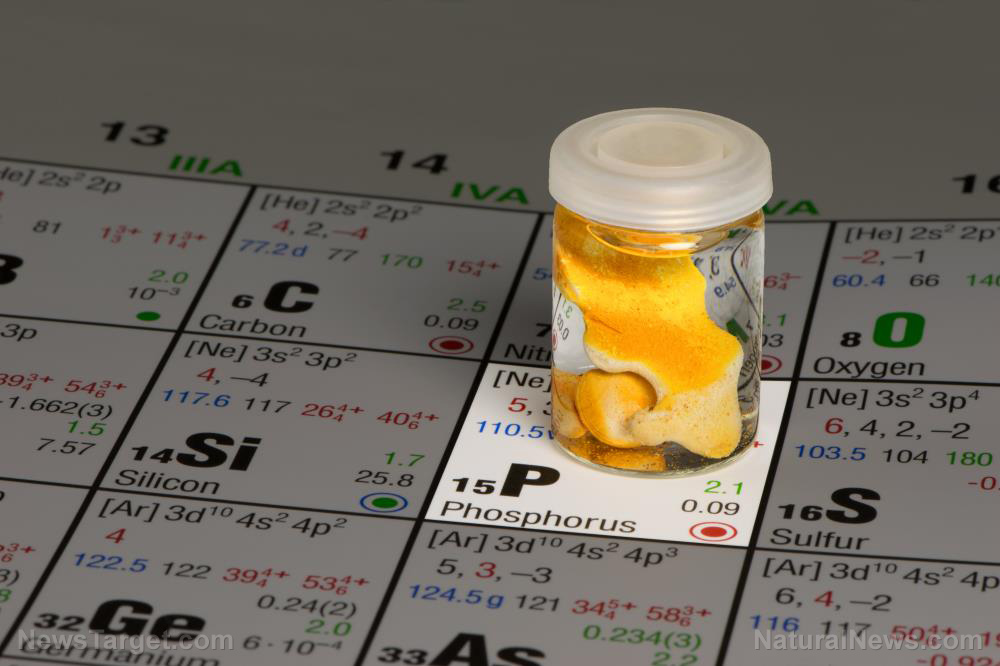
- Phosphorus is the body’s second most abundant mineral. It is fundamental for life, serving as a key structural component of bones and teeth (in partnership with calcium), the essential element in cellular energy (ATP) and a regulator of pH and cellular function.
- True dietary phosphorus deficiency is extremely rare in healthy adults due to its wide presence in foods. Notable exceptions include low-birth-weight infants and individuals using certain antacids long-term, with severe deficiency leading to bone demineralization, weakness and pain.
- The primary public health concern in industrialized nations is now excessive intake, largely from inorganic phosphate additives in processed foods and sodas. These additives are highly absorbable and can disrupt the body’s natural mineral balance.
- For individuals with compromised kidney function, excess phosphorus cannot be excreted effectively. This leads to hyperphosphatemia, which pulls calcium from bones, causing bone disease and promoting dangerous calcification of blood vessels and soft tissues, significantly increasing cardiovascular risk.
- Optimal phosphorus balance is achieved by focusing on natural dietary sources (dairy, lean meats, legumes, nuts, whole grains) and minimizing processed foods. For at-risk individuals, management requires medical supervision, a restricted diet, medications (phosphate binders) and regular blood monitoring.
In the grand narrative of human health, calcium often takes center stage in discussions about bone strength. But behind the scenes, working in lockstep with its more famous partner, is phosphorus—a mineral so fundamental that life as we know it would be impossible without it.
As the second most abundant mineral in the human body, phosphorus is the silent architect of our skeleton, the spark for our energy, and a key regulator of our internal environment. Yet, in a paradoxical twist of modern nutrition, while outright deficiency is rare, a dangerous imbalance is becoming a quiet epidemic with profound implications for public health.
“Phosphorus helps maintain healthy bones and teeth by working with calcium,” said BrightU.AI‘s Enoch. “It is vital for producing energy and supports proper nerve function. Additionally, it aids in protein digestion and helps control the body’s release of energy.”
Beyond the bones: A cellular powerhouse
To relegate phosphorus solely to skeletal health is to miss its starring role in daily vitality. Every cell in the body relies on phosphorus compounds, most notably adenosine triphosphate (ATP), the universal currency of energy. Without phosphorus, the biochemical reactions that power muscle contraction, nerve signaling and thought itself would grind to a halt.
Furthermore, phosphorus is a crucial component of cell membranes and DNA, making it indispensable for growth, repair and reproduction. It also acts as a key buffer system, helping to maintain the delicate acid-base balance (pH) of the blood, ensuring the internal environment remains stable for optimal enzyme and organ function.
Given its presence in nearly all foods, dietary phosphorus deficiency is exceptionally rare in healthy adults. Historical and clinical texts note that it is virtually unknown under normal circumstances. There are, however, critical exceptions that illuminate its importance.
Low-birth-weight infants fed exclusively on breast milk, which is naturally low in phosphorus, require supplementation to prevent rickets—a stark demonstration of the mineral’s non-negotiable role in bone mineralization. Furthermore, chronic use of antacids containing aluminum hydroxide can lead to deficiency, as aluminum binds to phosphorus in the gut, preventing its absorption.
The consequences of such a deficiency are severe. The body, deprived of dietary phosphorus, begins to leach it from the bones, leading to demineralization, bone pain and weakness.
This can manifest as anorexia, malaise and a profound loss of appetite. The condition underscores that while the body can mobilize phosphorus stores in an emergency, this process comes at a devastating cost to skeletal integrity.
The modern paradox: The peril of excess
In contrast to historical scarcity, the predominant concern in industrialized nations today is excessive phosphorus intake, particularly from processed foods. Inorganic phosphate additives are used extensively in sodas, deli meats, fast food and packaged snacks to enhance flavor, texture and shelf life. These additives are almost completely absorbed by the body, bypassing some of the natural regulatory mechanisms.
For individuals with healthy kidneys, this excess is typically filtered and excreted. However, for the millions with chronic kidney disease (CKD), whose kidneys cannot remove phosphorus efficiently, the result is hyperphosphatemia.
This condition triggers a biological cascade. The body pulls calcium from bones to bind with the excess phosphorus in the blood, leading to weakened, brittle bones (renal osteodystrophy) and the dangerous calcification of blood vessels, heart valves and soft tissues. This vascular calcification is a major driver of cardiovascular disease, the leading cause of death in CKD patients.
For those needing to maintain or restore healthy phosphorus levels through diet, focusing on natural, unprocessed sources is key. The body best regulates phosphorus absorbed from organic sources found in whole foods. Excellent sources include:
- Dairy: Milk, yogurt and cheese.
- Protein-rich foods: Lean meats, poultry, fish and eggs.
- Legumes and nuts: Lentils, kidney beans, chickpeas, almonds and peanuts.
- Whole grains: Oats, brown rice and quinoa.
- Seeds: Sunflower and pumpkin seeds.
A diet centered on these whole foods typically provides ample phosphorus without the uncontrolled surge associated with chemical additives, allowing the body to manage absorption and excretion naturally.
Lifestyle and management strategies
There are no direct “alternatives” to phosphorus; its biological functions are unique. However, lifestyle and dietary strategies can optimize its use and mitigate the need for high intake or medical intervention. For the general population, the most effective approach is to minimize consumption of processed foods and beverages with phosphate additives. Reading ingredient labels for terms like “phosphoric acid,” “sodium phosphate,” or “calcium phosphate” is crucial.
For those with impaired kidney function or at risk of excess, management becomes more active. This often involves combining a diet lower in phosphorus with medications called phosphate binders, which prevent dietary phosphorus from being absorbed in the gut. Ensuring adequate, but not excessive, calcium intake and vitamin D status is also critical, as this supports the natural bone-building partnership and can help the body utilize minerals more efficiently. Regular monitoring of blood phosphorus, calcium and parathyroid hormone levels is a standard medical practice for at-risk individuals.
The story of phosphorus is a powerful reminder that in nutrition, balance is everything. From its historical role as a rarely lacking cornerstone of life to its modern identity as a potential vector of chronic disease when mismanaged, phosphorus demands respect. In an age of processed food, understanding this silent architect is not just a matter of biochemical curiosity—it is an essential component of preserving the structural and functional integrity of the human body from the cellular level up.
This story is not medical advice and is not intended to treat or cure any disease. Always consult with a qualified naturopathic physician for personalized advice about your specific health situation or concern.
Visit NaturalNews.com, a great article source where you can learn about superfoods and their health benefits.
You can also try BrightU.ai, an AI model created by Mike Adams, also known as the Health Ranger. This model is available as a free download to be run locally and is designed to help share and decentralize knowledge. By doing so, it aims to bypass censorship and empower people with knowledge.
If you’re looking for an uncensored video free speech website where you can openly discuss nutrition, natural medicine, ingredients and more, check out Brighteon.com and out two free speech social media sites, Brighteon.IO and Brighteon.social.
Watch and learn more about phosphorus in the body.
This video is from Dr. Farrah MD’s channel on Brighteon.com.
Sources include:
BrightU.ai
NaturalNews.com
Brighteon.com
Read full article here