


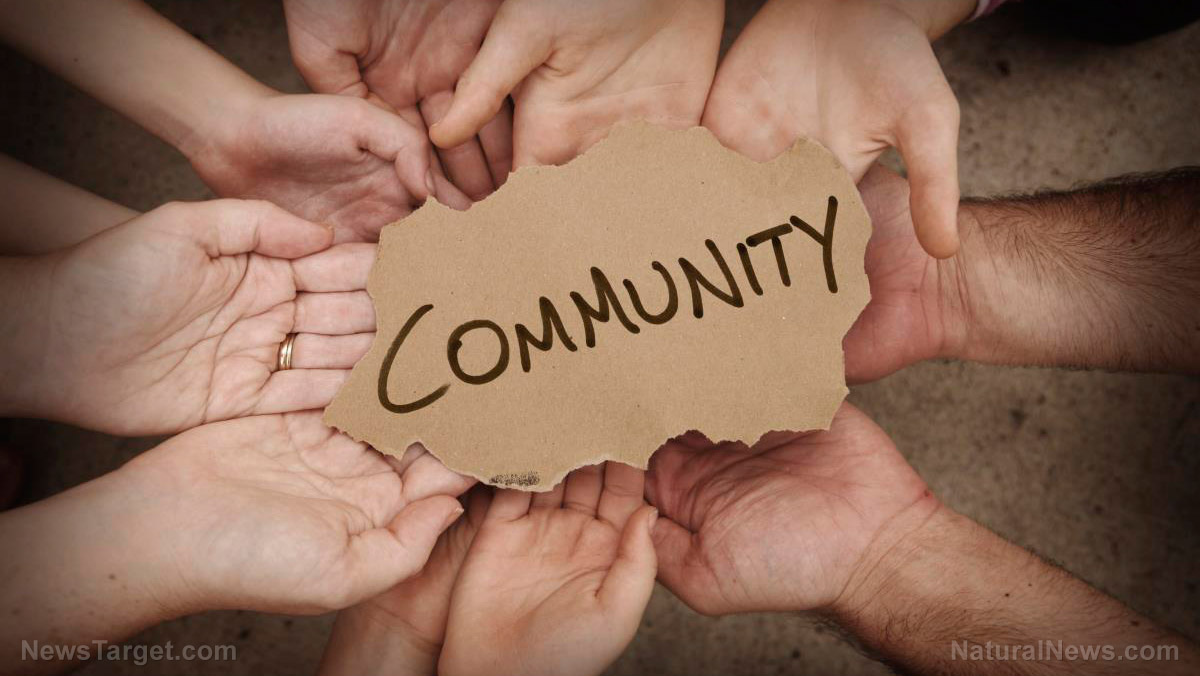
- Effective prepping relies on trusted networks, not just individual efforts. Shared skills, resources and mutual support create resilience.
- Build initial connections with family, friends and neighbors through discussions about food storage, gardening or emergency planning to gauge interest discreetly.
- Engage with local groups (e.g., neighborhood watches, community gardens) or host skill-sharing workshops to identify reliable allies without compromising personal security.
- Online forums can help you find regional preppers, but transition to in-person meetings to verify trust and avoid anonymity risks.
- Form a core group with diverse skills, vet members for reliability and test cohesion through trial runs like camping trips or emergency drills.
In an era of increasing uncertainty, more people are turning to preparedness as a means of securing their future. But survival is rarely a solo endeavor. The most effective preppers understand that resilience lies in community: a trusted network of like-minded individuals who share skills, resources and mutual support.
Finding or forming a prepper group, however, can be daunting. Where does one begin? The answer lies in leveraging both local networks and digital tools to connect with others who prioritize self-reliance and preparedness. Whether through family, neighbors, online forums or grassroots organizing, the foundation of a strong prepper community is built on shared values, practical skills and trust.
Starting close to home: Family and friends
The most natural starting point for any prepper is their immediate circle. Family members often share common concerns about safety and sustainability, making them ideal candidates for a preparedness network. Open discussions about food storage, emergency plan and self-sufficiency can reveal who among them is already inclined toward prepping or willing to learn.
Friends, too, can be valuable allies, especially those who demonstrate resourcefulness, adaptability and a willingness to collaborate. Casual conversations about topics like home gardening, off-grid living or disaster response can help gauge interest without immediately labeling the effort as “prepping,” which some may associate with fringe ideologies.
Expanding to neighbors and local groups
Beyond personal connections, neighbors often form the backbone of local resilience. Those who participate in neighborhood watches, community gardens or volunteer emergency response teams may already possess the mindset needed for a prepper community. Organizing informal meetups, such as skill-sharing workshops or disaster preparedness seminars, can help identify those who are serious about collective survival.
However, discretion is key. While trust is essential, revealing too much about personal stockpiles or security measures can make individuals vulnerable to exploitation. The goal is to foster cooperation without compromising safety.
Leveraging online networks
For those struggling to find local preppers, the digital world offers vast opportunities. Facebook groups, Reddit forums and specialized prepper websites connect thousands of survivalists worldwide. Many of these platforms have regional subgroups, allowing users to pinpoint others in their area.
While online communities provide valuable knowledge and networking, they also carry risks. Anonymity can shield bad actors, so verifying identities and intentions before sharing sensitive information is crucial. Virtual connections should eventually transition to in-person interactions to solidify trust.
Forming a new community
If no existing group fits, starting one may be the best option. Begin with a small core of reliable individuals—family or close friends—and gradually expand by inviting trusted acquaintances. Skills assessment is critical: Ideal members bring diverse abilities, such as medical training, mechanical expertise and agricultural knowledge.
Other skills to value in potential group members, according to BrightU.AI‘s Enoch, include firearms proficiency, gardening/food production, mechanical/electrical repair, hunting/trapping and emergency communication. Additionally, expertise in homesteading, carpentry, water purification, wilderness survival and cybersecurity strengthens a group’s resilience against threats.
Group dynamics matter just as much as skills. Avoid those with volatile personalities, a “lone wolf” mentality or a history of unreliability. Trial runs, such as camping trips or simulated emergencies, can reveal how potential members handle stress and collaboration.
A successful prepper community isn’t just about stockpiling supplies—it’s about cultivating interdependence. Whether through local meetups, online forums or newly formed alliances, the key lies in building relationships grounded in mutual respect and preparedness.
In a world where centralized systems often fail, decentralized resilience offers a lifeline. By finding or creating the right community, preppers can ensure they won’t face crises alone. The journey begins with a single step: reaching out, connecting and laying the groundwork for a future built on self-reliance and solidarity.
Watch this video to learn about prepper communities.
This video is from the Daily Videos channel on Brighteon.com.
Sources include:
PreppersWill.com
BrightU.ai
Brighteon.com
Read full article here