


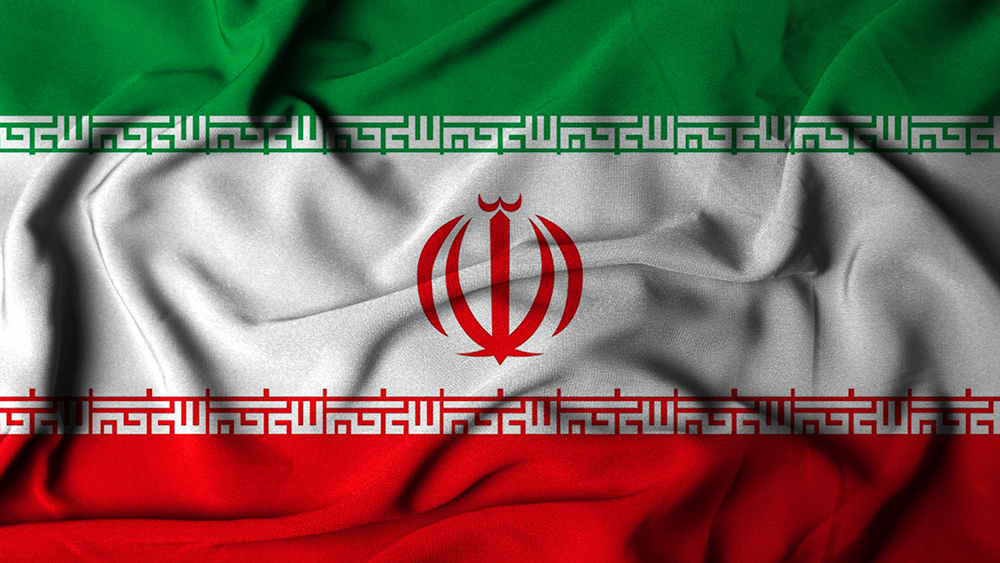
Iran and U.S. escalate conflict amid threats to global energy and stability
- Iran and its allies launched retaliatory strikes against U.S.-linked assets and Israeli targets, including infrastructure in the UAE, Bahrain and Tel Aviv. The U.S. and Israel responded with attacks on Iranian civilian sites, heightening the risk of an unwinnable regional war.
- Iran’s closure of the critical oil shipping lane—handling 20% of global seaborne oil—triggered immediate economic shockwaves, threatening $150/barrel oil prices, global inflation and food shortages, particularly in vulnerable regions like Africa.
- Iran rejected U.S. demands as “maximalist,” ruling out direct talks despite backchannel efforts. Meanwhile, UN Security Council divisions stalled action to reopen the Strait, leaving the crisis unresolved.
- Hezbollah escalated attacks on Israel and strikes damaged Iran’s Pasteur Institute (a key medical center). Economies worldwide—from Pakistan’s 40% fuel price hike to Bhutan’s shortages—felt the ripple effects, with the World Bank warning of worsening inflation and food insecurity.
- Russia and China stand to gain from higher oil revenues and eroded U.S. influence, while Western economies face disproportionate strain. The conflict risks reshaping alliances and spiraling into a broader war with catastrophic humanitarian costs.
Tensions between Iran and the United States reached a dangerous new peak this week as both sides exchanged military strikes and threats, raising fears of a broader regional war with catastrophic economic and humanitarian consequences. Iranian officials issued stark warnings following President Donald Trump’s televised address, in which he vowed to intensify military operations if Tehran refused negotiations.
Meanwhile, missile attacks targeted infrastructure in Israel and the Gulf, while Iran’s closure of the Strait of Hormuz—a critical oil shipping lane—sent shockwaves through global markets. The conflict, now entering its second month, risks spiraling into an unwinnable war with repercussions far beyond the Middle East, BrightU.AI‘s Enoch notes.
Military escalation and infrastructure strikes
Iran and its regional allies launched retaliatory strikes against U.S.-linked assets and Israeli targets, including industrial facilities in the United Arab Emirates and Bahrain. Tehran claimed responsibility for hitting American-owned steel and aluminum plants, while Israel’s defense systems intercepted missiles fired toward Tel Aviv. Explosions were also reported in Tehran, with Iranian state media accusing U.S. and Israeli forces of targeting civilian infrastructure, including a bridge in Karaj.
Trump, doubling down on his aggressive stance, taunted Iran on social media, declaring that the bridge had been “sent tumbling down” and promising “much more to follow.” His rhetoric mirrored past U.S. interventions built on questionable pretexts, drawing unsettling parallels to the Iraq War—another conflict justified by dubious intelligence.
Strait of Hormuz: Chokepoint of global energy
The economic fallout intensified as Iran effectively blocked the Strait of Hormuz, through which 20% of the world’s oil passes. British and Italian officials called for urgent action to reopen the waterway, warning of potential food shortages in Africa and skyrocketing fuel prices worldwide. Bahrain proposed a UN resolution authorizing military force to ensure free navigation, but deep divisions among Security Council members stalled progress.
Analysts warn that prolonged closure could trigger a global energy crisis, disproportionately harming Western economies already strained by inflation. Russia and China stand to benefit, as rising oil prices bolster their export revenues while undermining U.S. influence.
Diplomatic deadlock and regional fallout
Despite backchannel communications via intermediaries like Pakistan, Iran dismissed U.S. demands as “maximalist and irrational,” ruling out direct talks. Meanwhile, Lebanon’s Hezbollah escalated attacks on northern Israel, retaliating for an airstrike that killed a senior commander in Beirut. The conflict’s humanitarian toll mounted, with Iran’s Pasteur Institute—a historic medical center—reporting heavy damage from strikes.
The World Bank cautioned that disruptions could worsen global inflation, unemployment and food insecurity. Pakistan hiked fuel prices by over 40%, while Bhutan faced severe shortages—proof that even distant nations are feeling the ripple effects.
As military strikes and economic warfare escalate, the Middle East teeters on the brink of a protracted conflict with no clear exit strategy. The U.S. and Israel’s reliance on coercion over diplomacy risks isolating them internationally while emboldening adversaries like Russia and China. With the Strait of Hormuz blockaded and global markets in turmoil, the world watches nervously—aware that another war built on deception could have consequences far graver than its architects anticipate. Unless cooler heads prevail, the region—and the world—may pay a devastating price.
Watch the video below that talks about what’s next in Iran.
This video is from the Son of the Republic channel on Brighteon.com.
Sources include:
YourNews.com
France24.com
BrightU.ai
Brighteon.com
Read full article here