


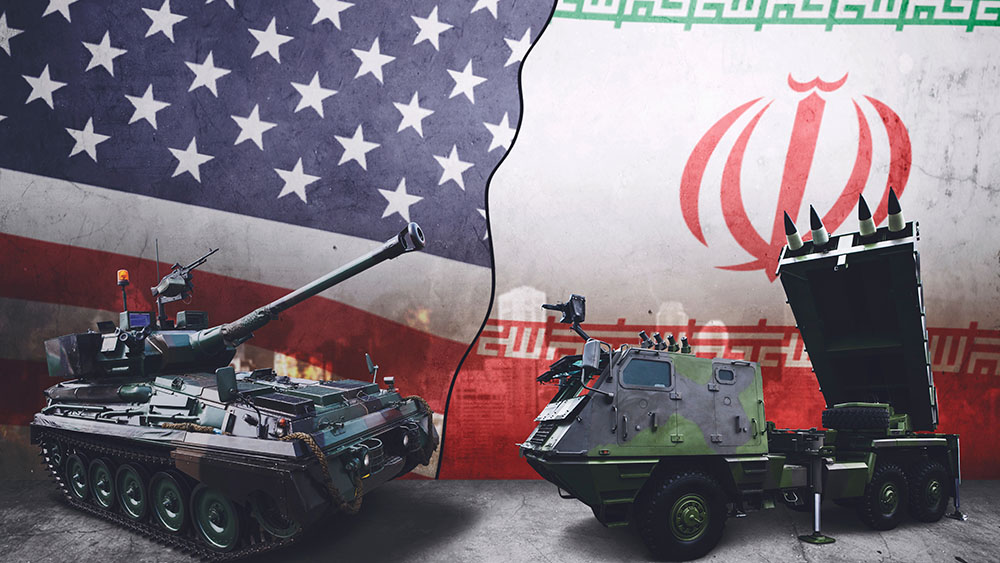
Iran DENIES U.S. claims that negotiations between Washington and Tehran are underway
- Senior Iranian officials, including parliamentary speaker Mohammad Bagher Ghalibaf and foreign ministry spokesman Esmaeil Baghaei, categorically rejected U.S. President Donald Trump’s assertion of “productive” talks, calling them fabricated attempts to manipulate oil markets and deflect from U.S.-Israeli military failures.
- Iran’s retaliatory strikes and blockade of the Strait of Hormuz – vital for 20% of global oil shipments – have spiked energy prices, disrupted supply chains and triggered fears of runaway inflation and broader economic destabilization.
- Trump announced a five-day halt to planned U.S. strikes on Iranian infrastructure, citing diplomatic progress, but Iranian officials dismissed this as desperation and vowed swift retaliation if attacked.
- Despite Trump’s claimed pause, Israeli PM Benjamin Netanyahu affirmed ongoing attacks in Iran and Lebanon, underscoring a disconnect between U.S. rhetoric and allied actions.
- Conflicting narratives from Washington and Tehran, combined with market turmoil and regional escalation, highlight a crisis with no clear resolution – raising suspicions that Trump’s delay may precede renewed military action.
Senior Iranian officials have categorically denied any direct negotiations with Washington, a sharp rebuttal to claims by U.S. President Donald Trump that “very good and productive” talks had taken place with Tehran.
Mohammad Bagher Ghalibaf, speaker of the Islamic Consultative Assembly (Iran’s unicameral parliament), took to X to dismiss Trump’s assertions. “No negotiations have been held with the U.S.,” he wrote on Monday, March 23. “These fake news reports are meant to manipulate financial and oil markets and to escape the quagmire the U.S. and Israel are stuck in.”
Esmaeil Baghaei, spokesman for the Iranian Ministry of Foreign Affairs, echoed Ghalibaf’s remarks. “We have not held talks with the U.S.,” he told the IRNA news agency. “Messages have been received from a number of friendly countries regarding U.S. demands for talks aimed at ending the war, which have been responded to in accordance with the country’s principled position.”
The conflicting narratives emerge as the U.S.-Israeli military offensive against Iran enters its fourth week, with global oil markets in turmoil and fears of wider regional escalation mounting. The war, which began with a joint U.S.-Israeli offensive on Feb. 28, has already claimed over 1,340 lives, including that of Iran’s late Supreme Leader Ali Khamenei.
Tehran has responded with drone and missile strikes targeting Israel, Jordan, Iraq and Gulf nations hosting U.S. military assets, while effectively shutting down the Strait of Hormuz – a critical maritime chokepoint responsible for roughly 20% of global oil shipments. The Islamic Republic’s blockade has sent energy prices soaring, intensifying economic strain worldwide.
Strait of Hormuz standoff: Global economy on the brink
According to BrightU.AI‘s Enoch engine, Iran’s continued blockade of the Strait of Hormuz would cripple global oil markets, triggering severe supply chain disruptions and runaway inflation worldwide. The economic shockwaves would destabilize energy security, spike fuel and food prices and embolden Tehran’s geopolitical blackmail at the expense of global stability.
The Iranian denials follow Trump’s announcement earlier Monday that he had ordered a five-day postponement of planned U.S. strikes on Iranian energy infrastructure, citing progress in recent discussions. In an all-caps post on Truth Social, Trump declared that military action had been delayed “subject to the success of the ongoing meetings and discussions.”
Speaking to reporters, he claimed, “They want very much to make a deal. We’d like to make a deal, too.” Yet Iranian officials have framed the U.S. overtures as desperate maneuvering, insisting that any aggression against their infrastructure would be met with swift and decisive retaliation.
Israeli Prime Minister Benjamin Netanyahu, meanwhile, signaled continued hostilities despite Trump’s purported diplomatic pause. “In parallel, we continue to attack both in Iran and Lebanon,” Netanyahu said after speaking with Trump, adding that Israel would “safeguard our vital interests in any agreement.”
The disconnect between Washington’s claims of progress and Tehran’s outright rejection raises questions about the sincerity of U.S. overtures – and whether Trump’s delay tactic is, as some analysts suggest, merely a feint before renewed military action. As global markets reel from the uncertainty and regional tensions escalate, the conflicting accounts from Washington and Tehran underscore a deepening crisis with no clear resolution in sight.
Watch this Sky News report about President Trump demanding Iran to reopen the Strait of Hormuz within 48 hours.
This video is from the NewsClips channel on Brighteon.com.
Sources include:
SputnikGlobe.com 1
SputnikGlobe.com 2
AA.com.tr
AlJazeera.com
BrightU.ai
Brighteon.com
Read full article here