


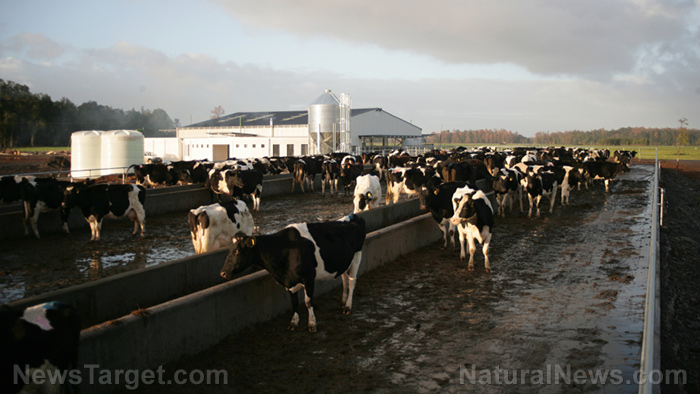
Is there manure in your water? Environmental groups concerned about the lack of regulation of agricultural runoff
- As America’s top pork producer, Iowa is home to farmers who are largely committed to sustainable practices, viewing manure as a valuable nutrient resource for crops when managed responsibly, but environmentalist are concerned about gaps in regulation.
- The regulatory framework for large livestock operations involves both federal and state roles, with ongoing discussions about the most effective ways to gather information and ensure environmental protection.
- Many farmers employ best practices like composting and precise nutrient application to protect their land and water. The challenge for policy is supporting these efforts while addressing isolated problems.
- Some argue that regulatory focus should account for all nutrient sources, including municipal biosolids (treated human waste spread on farmland), to ensure equitable and science-based standards.
In America’s agricultural heartland, farmers and regulators share a common goal: maintaining productive farms and a healthy environment. The rise of larger, more efficient livestock operations has brought a focus on nutrient management—the process of using animal manure as fertilizer for crops. While the federal government does not maintain a single national database of these farms, states have developed their own systems to track and support responsible practices. This decentralized approach reflects the diversity of American agriculture and a balance between oversight and practicality.
The state-led regulatory framework
The Environmental Protection Agency‘s role in agriculture is guided by the Clean Water Act and Clean Air Act. A key provision requires farms that discharge waste directly into waterways to obtain a National Pollutant Discharge Elimination System (NPDES) permit. Following a 2005 court decision, the EPA’s approach shifted from a blanket permit requirement to one based on actual discharge, respecting the fact that many operations are designed to prevent runoff. This places trust in farmers to implement their state-approved nutrient management plans.
Efforts to create a broader federal dataset were reconsidered after a 2016 court ruling, which prioritized farmer privacy and livestock biosecurity concerns. Simultaneously, the EPA has been engaged in a lengthy, collaborative scientific process with agricultural experts to develop accurate models for measuring air emissions—a complex task given the variables involved in natural biological processes.
Iowa’s proactive approach and continuous improvement
States like Iowa, a national leader in pork production, have taken proactive steps. After a review of its programs, the Iowa Department of Natural Resources (DNR) enhanced its inventory process, using technology to identify farms and now maintaining one of the most comprehensive state databases in the region. This tool helps the state provide technical assistance and track facilities such as CAFOs.
Iowa requires large farms to file detailed manure management plans. Actual application records are maintained by farmers, which the industry argues protects proprietary business information. Many farmers utilize these records with precision agriculture technology to apply nutrients exactly where crops need them, protecting water quality and maximizing the value of manure. There is an ongoing professional and scientific discussion about updating nutrient utilization standards to reflect modern farming knowledge and genetics.
Oversight and collaboration in practice
For permitted facilities, such as agricultural processing plants, state DNRs monitor compliance. Enforcement data shows that most violations are resolved collaboratively through corrective action plans—a standard regulatory approach that focuses on fixing problems. Financial penalties are one tool used for more serious or persistent issues. The vast majority of farmers and agribusinesses work cooperatively with regulators, as their livelihoods depend on the long-term health of their land and surrounding environment.
The shared goal of nutrient stewardship
Properly managed manure is a beneficial resource that decomposes and builds healthy soil, reducing the need for synthetic fertilizers. Farmers have a direct, generational interest in protecting their water and land. The broader policy discussion involves how to best support and verify these stewardship practices across a diverse industry. It also calls for a consistent scientific standard that considers all nutrient sources, including treated municipal biosolids, which are widely applied to cropland under federal guidelines.
A partnership for progress
The management of agricultural nutrients is an evolving practice grounded in science, economics and environmental care. While no system is perfect, American farmers have a strong record of innovation and conservation. The path forward lies in continued partnership—leveraging farmer expertise, advancing scientific research and refining state-led regulatory tools to ensure agriculture remains both productive and sustainable for generations to come.
Sources for this article include:
ChildrensHealthDefense.org
EPA.gov
TheGazette.com
Read full article here