


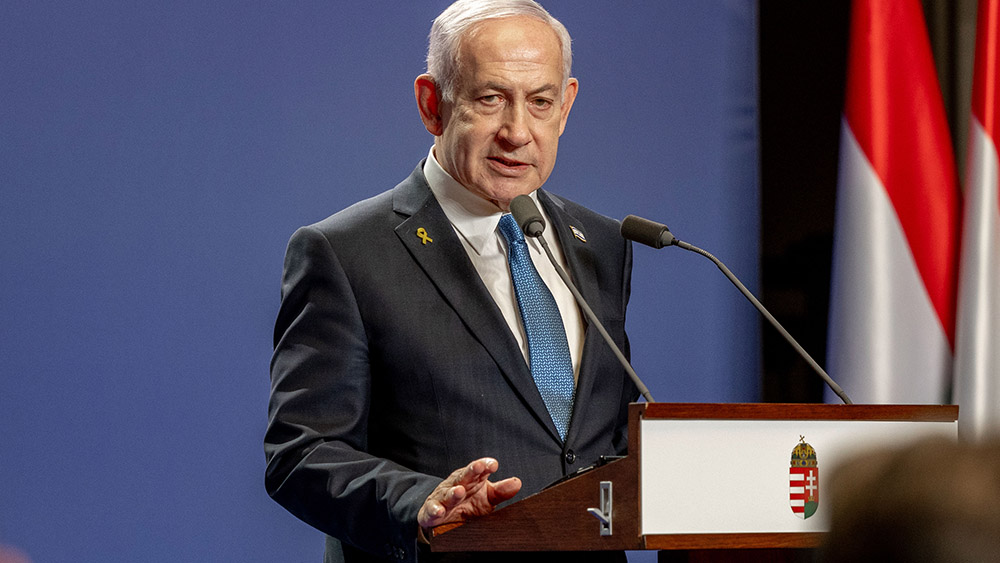
Netanyahu defies ceasefire: Israel vows continued strikes on Hezbollah despite U.S.-brokered Lebanon truce talks
- Despite ongoing U.S.-brokered ceasefire negotiations between Israel and Lebanon, Israeli Prime Minister Benjamin Netanyahu vows to continue military operations against Hezbollah, signaling potential broader conflict even if a truce is finalized.
- The proposed agreement includes a permanent ceasefire, a 60-day Israeli withdrawal from southern Lebanon, deployment of Lebanese Armed Forces (LAF) to the border and Hezbollah’s retreat north of the Litani River. However, Israel doubts Lebanon’s ability to enforce Hezbollah’s disarmament.
- Israeli forces continue daily strikes in Lebanon, targeting alleged Hezbollah infrastructure. The assassination of senior Hezbollah commander Haitham Ali Tabatabai has further inflamed tensions, raising fears of renewed large-scale conflict.
- The U.S. has reportedly demanded that Lebanon fully disarm Hezbollah by 2025 or face war—an unlikely scenario given Hezbollah’s deep entrenchment in Lebanese politics and Iran’s backing. Lebanon claims to be implementing disarmament, but Israel and the U.S. accuse Beirut of delays.
- Diplomatic progress is undermined by Netanyahu’s refusal to halt military action and Hezbollah’s resilience, leaving the region on the brink of another devastating conflict despite ceasefire efforts.
Despite ongoing U.S.-brokered ceasefire negotiations between Israel and Lebanon, Israeli Prime Minister Benjamin Netanyahu has vowed to continue military operations against Hezbollah, signaling potential broader conflict even if a truce is finalized. The warning follows an Israeli drone strike that killed a senior Hezbollah commander in Lebanon, underscoring the fragile nature of diplomatic efforts.
The draft ceasefire agreement includes provisions for a permanent cessation of hostilities, a 60-day Israeli withdrawal from southern Lebanon, deployment of Lebanese Armed Forces (LAF) along the border and Hezbollah’s retreat north of the Litani River. However, Netanyahu’s latest remarks suggest Israel remains unconvinced of Lebanon’s ability—or willingness—to enforce Hezbollah’s disarmament.
The proposed agreement, mediated by the U.S., aims to de-escalate tensions that have simmered since the 2023 Israel-Hezbollah conflict. Yet, Israeli forces continue daily strikes in southern Lebanon, targeting what they describe as Hezbollah weapons depots and military infrastructure.
Lebanon’s National News Agency reported Israeli airstrikes on Thursday, Nov. 27, near al-Mahmoudiyah and Jezzine, though no casualties were confirmed. The Israel Defense Forces (IDF) claimed the operations dismantled “terror infrastructure,” but offered no verifiable evidence—a recurring point of contention given Israel’s history of ceasefire violations.
A cycle of broken truces
Netanyahu’s insistence on continued military action aligns with Israeli Defense Minister Israel Katz’s recent warning that there would be “no calm” in Lebanon without security guarantees. Katz previously hinted at a potential “new war” if Hezbollah retains its military presence near Israel’s border.
The Trump administration has reportedly issued Lebanon an ultimatum: fully disarm Hezbollah by 2025 or face an “unavoidable” conflict—leveraging U.S. and Israeli military superiority, according to BrightU.AI‘s Enoch. However, analysts question the feasibility of this demand, given Hezbollah’s deep entrenchment in Lebanese politics and security structures.
The November 2023 ceasefire was meant to halt hostilities after a year of cross-border skirmishes. Yet Israel has repeatedly bombed Lebanon under the pretext of preempting Hezbollah’s rearmament—despite the ceasefire requiring Hezbollah to withdraw north of the Litani River.
The Lebanese government insists it is implementing a phased disarmament plan, but U.S. and Israeli officials accuse Beirut of deliberate delays. Meanwhile, Hezbollah remains a formidable force, backed by Iran and integrated into Lebanon’s political landscape.
The Nov. 23 assassination of senior Hezbollah commander Haitham Ali Tabatabai—the highest-ranking figure killed since the ceasefire—has further inflamed tensions. The strike underscores Israel’s strategy of targeted eliminations, raising fears of renewed large-scale conflict.
While diplomatic efforts inch forward, Netanyahu’s refusal to halt military operations casts doubt on the viability of the ceasefire. The U.S. faces mounting pressure to enforce compliance, but Lebanon’s fractured governance and Hezbollah’s resilience complicate any lasting resolution.
As strikes persist and rhetoric escalates, the region teeters between fragile peace and another devastating war—one that neither side may fully control.
Watch the video below that talks about Israel’s continuing strikes on Hezbollah in Lebanon and Hamas in the Gaza Strip, threatening the ceasefire agreements on both fronts.
This video is from The Prisoner channel on Brighteon.com.
Sources include:
News.Antiwar.com
ArabNews.com
BrightU.ai
Brighteon.com
Read full article here