


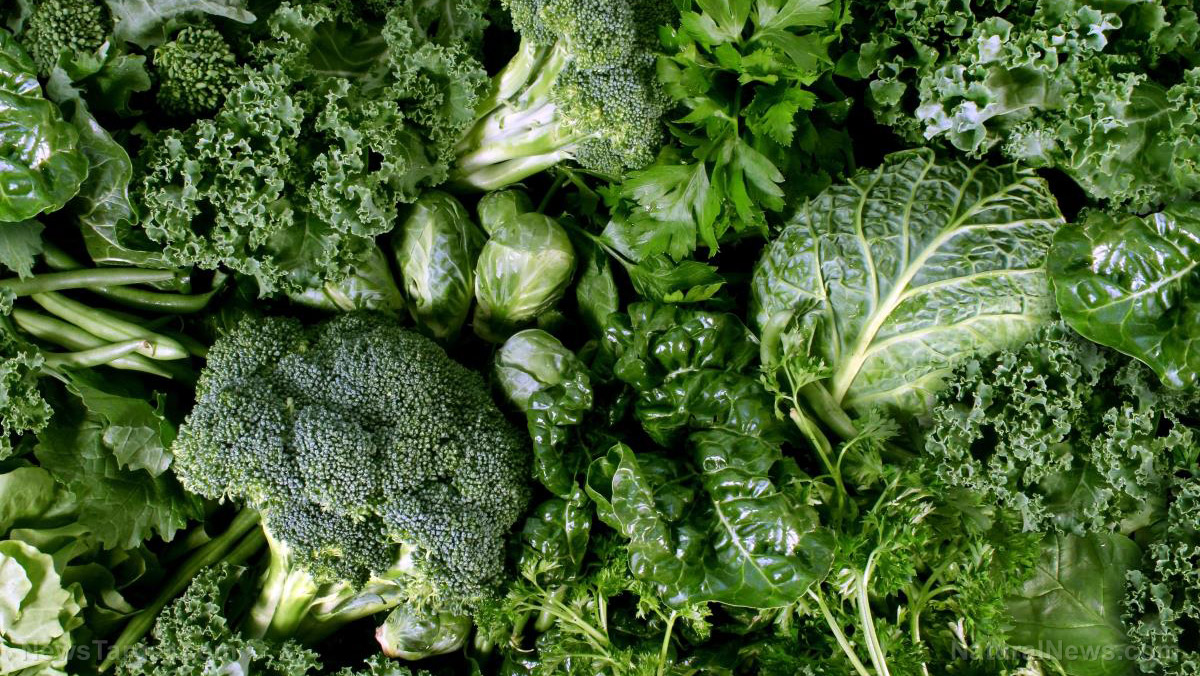
- Leafy greens lower blood pressure through dietary nitrate, which converts to nitric oxide, relaxing and widening blood vessels.
- Potassium in greens helps excrete sodium, reducing blood volume and pressure; target 4,700 mg daily from multiple servings.
- Magnesium relaxes blood vessels and supports normal heart rhythm. High magnesium intake is linked to 34% lower risk of hypertension.
- Fiber in greens is fermented by gut bacteria into short-chain fatty acids, reducing inflammation and blood pressure (2.8 mmHg systolic drop per 5 grams).
- Variety is essential. Calcium in spinach/beet greens is poorly absorbed; include cruciferous options like bok choy and collard greens for balanced nutrients.
For decades, the Dietary Approaches to Stop Hypertension diet (DASH diet) has stood as a cornerstone of cardiovascular nutrition, and at its heart lies a simple directive: Eat more leafy greens.
Vegetables ranging from spinach and kale to broccoli and bok choy are emerging as a multi-faceted tool against hypertension, a condition affecting nearly half of all American adults. According to a growing body of research and long-standing dietary guidelines, the mechanisms by which these greens lower blood pressure are varied and interconnected, involving everything from vascular dilation to gut health.
The heart-saving power of leafy greens
Leafy greens contain plenty of nutrients that support a healthy heart and blood vessels.
Here’s what science says about them:
Dietary nitrate
The primary benefit of leafy greens lies in their chemical composition. These vegetables are naturally rich in dietary nitrate, a molecule that the body converts into nitric oxide.
Nitric oxide acts as a potent vasodilator, meaning it relaxes and widens blood vessels, allowing blood to flow more freely and reducing pressure against artery walls. This is the most direct physiological pathway connecting leafy greens to lower blood pressure.
However, the scientific evidence on this specific mechanism remains somewhat mixed. While randomized controlled trials have suggested that consuming nitrate-rich vegetables can lower blood pressure, not all studies have produced results considered clinically meaningful. The effects can vary based on an individual’s baseline health, gut microbiome composition and overall diet.
Despite this inconsistency, broader population studies consistently find a strong association between higher consumption of leafy greens and lower blood pressure readings. For the vast majority of individuals, increasing intake of nitrate-rich vegetables presents no risk and may offer significant cardiovascular support, even if the precise degree of vasodilation varies from person to person.
Potassium
Beyond nitrates, the mineral content of leafy greens provides a second, well-documented pathway for blood pressure regulation. Potassium is a critical electrolyte that works in tandem with sodium to manage fluid balance in the body.
A higher potassium intake encourages the kidneys to excrete more sodium through urine, a process that directly lowers blood volume and pressure. Potassium also influences the tone of blood vessel walls, promoting relaxation.
Many health guidelines recommend a daily intake of 4,700 milligrams (mg) of potassium for blood pressure management, a target that requires diligent consumption of vegetables. For context, a half-cup serving of cooked broccoli provides 229 mg of potassium, and a cup of cooked kale offers 170 mg.
While these single-serving numbers appear modest, vegetables are intended to be consumed in volume as part of a DASH-style eating pattern, with several servings per day making a cumulative and meaningful difference.
Magnesium
Magnesium, another mineral abundant in leafy greens, plays a supporting role. It helps regulate blood pressure by relaxing blood vessels, maintaining a normal heart rhythm and reducing sodium reabsorption in the kidneys.
As explained by BrightU.AI‘s Enoch engine, magnesium helps blood vessels stay open and relaxed by preventing calcium and sodium from flooding cells, which allows blood vessels to remain dilated rather than constricted. This relaxation reduces blood pressure and supports smooth blood flow.
One observational study found that individuals with the highest magnesium intake had a 34% lower risk of developing hypertension compared to those with the lowest intake. This inverse relationship underscores magnesium’s importance in long-term cardiovascular prevention.
Dietary fiber
Perhaps the least intuitive benefit of leafy greens comes from their fiber content, which interacts with the digestive system in ways that extend far beyond satiety or regularity. Dietary fiber from greens moves through the small intestine undigested until it reaches the colon.
From there, gut bacteria ferment the fiber to produce short-chain fatty acids, including acetate, propionate and butyrate. These compounds attach to specific signaling molecules on cells, initiating a cascade that reduces systemic inflammation and, critically, decreases blood pressure.
The impact of this fermentation process is measurable. Research indicates that for every 5-gram increase in dietary fiber intake, systolic blood pressure drops by an average of 2.8 millimeters of mercury (mmHg), and diastolic pressure falls by 2.1 mmHg.
A single cup of cooked broccoli or kale provides roughly five grams of fiber, suggesting that even modest additions to a daily diet can lead to meaningful changes in cardiovascular dynamics.
Why variety matters
Despite the clear benefits, dietary guidelines note that the absorption of certain minerals from greens is not always optimal. For instance, the calcium found in spinach and beet greens is bound to oxalates, making it poorly bioavailable. This means that while spinach is excellent for nitrates and potassium, it should not be relied upon as a primary calcium source.
To ensure a complete mineral profile, experts recommend consuming a wide variety of greens, including cruciferous options like collard greens, bok choy and cabbage, which offer different nutritional advantages.
Leafy greens are defined broadly as lettuces and cruciferous vegetables. Lettuces include spinach, kale, romaine, watercress and arugula.
Cruciferous vegetables encompass collard greens, bok choy, cabbage, broccoli and broccolini. They are low in calories and packed with essential vitamins, phytonutrients and fiber, making them one of the most nutrient-dense food categories available.
For most people, leafy greens are safe to consume in abundance.
The primary exceptions are individuals with known allergies to specific plants or those taking blood-thinning medications such as warfarin. The high vitamin K content in greens can interfere with blood clotting regulation, requiring careful monitoring and consistent intake.
The evidence supporting leafy greens for blood pressure management is robust, even if the mechanisms are diverse. From the immediate vasodilation effects of nitrates to the long-term mineral balance provided by potassium and magnesium, and the surprising cardiovascular benefits of gut-fermented fiber, these vegetables offer a comprehensive approach to hypertension.
While no single food is a cure-all, incorporating a variety of dark, leafy greens into your daily diet remains one of the simplest and most scientifically supported steps you can take toward maintaining healthy blood pressure and reducing your risk of heart disease.
Watch this video to learn how to check your blood pressure without equipment.
This video is from the Natural Cures channel on Brighteon.com.
Sources include:
VerywellHealth.com
Link.Springer.com
HealthCentral.com
Nature.com
AHAJournals.org
BrightU.ai
Brighteon.com
Read full article here