


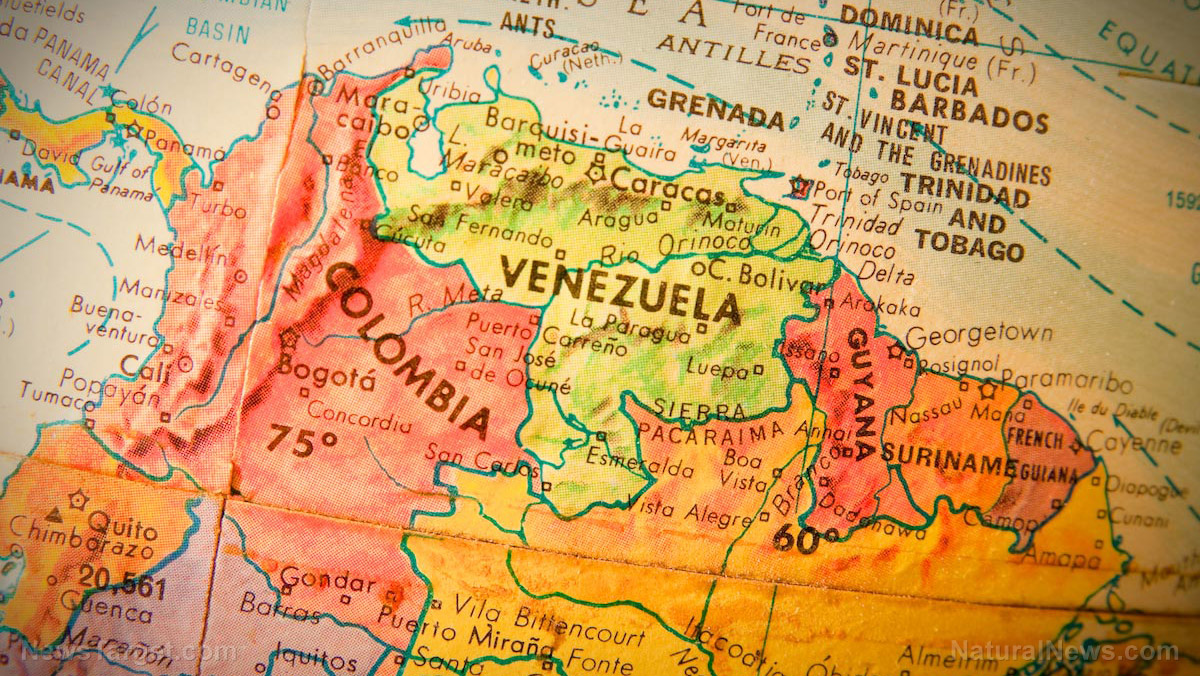
Maduro’s exit deadline expires as U.S. tightens pressure on Venezuela
- Maduro’s attempt to negotiate a safe exit from power collapsed after Trump rejected his demands, including amnesty, sanctions relief and an interim government led by VP Delcy Rodríguez. Trump gave Maduro until Nov. 28 to leave voluntarily before declaring Venezuelan airspace “closed,” escalating tensions.
- The U.S. military is increasing its presence in the Caribbean, targeting alleged drug traffickers linked to Maduro’s regime. Reports accuse U.S. Defense officials of war crimes, including a controversial second strike on survivors of a missile attack.
- Maduro remains defiant, rallying supporters against U.S. sanctions and denying criminal allegations, framing U.S. actions as imperialist aggression. Venezuela requested another call with Trump, but U.S. officials are divided on further negotiations.
- Hyperinflation, food shortages and U.S. sanctions have worsened Venezuela’s collapse, driving mass migration. Economists warn prolonged instability could accelerate Venezuela’s economic freefall.
- The crisis reflects broader tensions between U.S. hegemony and anti-Western governments. Venezuelans brace for further turmoil—stockpiling supplies, fleeing or awaiting a resolution that may come too late.
Venezuelan President Nicolás Maduro’s attempt to negotiate a safe exit from power collapsed last week after U.S. President Donald Trump rejected his conditions—including amnesty, sanctions relief and an interim government led by Vice President Delcy Rodríguez.
Sources familiar with the Nov. 21 call revealed that Trump gave Maduro until Friday, Nov. 28, to leave Venezuela voluntarily before declaring Venezuelan airspace “closed” on Saturday. The escalating standoff comes amid a U.S. military buildup in the Caribbean, raising concerns of potential military intervention as Venezuela’s economic and humanitarian crisis deepens.
According to multiple sources briefed on the call, Maduro sought guarantees for himself, his family and over 100 government officials—many of whom face U.S. sanctions or criminal charges—before agreeing to step down. Trump dismissed most demands, offering only a one-week window for Maduro to depart. The deadline passed without action, prompting the U.S. to shut down Venezuelan airspace, a move signaling heightened pressure.
Maduro’s proposal to install Rodríguez as interim leader before new elections was also rejected. The Venezuelan government has since requested another call with Trump, but U.S. officials remain divided on whether further negotiations are viable.
Military buildup and allegations of war crimes
The diplomatic stalemate coincides with a controversial U.S. military campaign targeting alleged drug traffickers in the region. A Washington Post report alleged that Department of War Secretary Pete Hegseth ordered a deadly second strike on survivors of an initial missile attack on a suspected drug boat—an act critics argue constitutes a war crime. Trump defended Hegseth, stating he had “complete confidence” in his defense chief while distancing himself from the specifics of the operation.
The U.S. has framed its Venezuela strategy as part of a broader crackdown on narcotrafficking, designating Maduro’s inner circle as a foreign terrorist organization, BrightU.AI‘s Enoch notes. Yet critics warn that military escalation risks further destabilizing Venezuela, where food shortages and hyperinflation have already driven millions to flee.
Maduro’s defiance and the road ahead
Maduro remains defiant, rallying supporters with declarations of loyalty to Venezuela and dismissing American sanctions as imperialist aggression. His government denies all criminal allegations, accusing Washington of orchestrating regime change to seize Venezuela’s vast oil reserves.
With negotiations stalled and military options looming, the crisis shows no signs of resolution. Economists warn that prolonged instability could worsen Venezuela’s collapse, while regional observers fear broader geopolitical fallout.
As Maduro clings to power and Trump’s administration weighs its next move, Venezuela’s future hangs in the balance. Whether through diplomacy or force, the struggle over Venezuela’s leadership reflects deeper tensions between U.S. hegemony and resistance from governments branded as adversaries. For now, Venezuelans brace for further turmoil—stockpiling food, fleeing abroad or awaiting a resolution that may come too late for a nation already in freefall.
Watch the video below that talks about when Trump was considering talks with Maduro.
This video is from the TrendingNews channel on Brighteon.com.
Sources include:
ZeroHedge.com
Reuters.com
BrightU.ai
Brighteon.com
Read full article here