


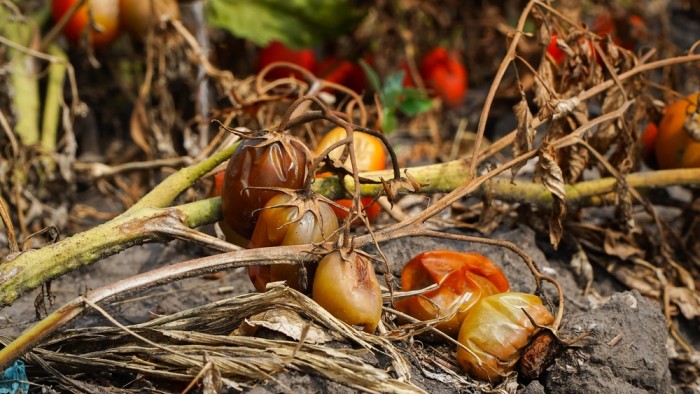
A failed harvest changes more than the pantry.
It changes the mood of a household. It changes plans for winter. It changes how people look at every remaining jar, sack, root cellar shelf, and animal in the barn. A season of work can disappear through drought, flood, hail, insects, fire, disease, or an early freeze.
The first reaction is often emotional.
There is disappointment, anger, fear, and the sick feeling that all the labor was wasted. That reaction is human. Native communities, pioneer families, and Amish farmers all knew it. They also knew that the first days after a crop failure were too important to lose to panic.

The first 72 hours should be used to steady the household, measure the damage, protect what remains, and begin adjusting before fear makes the decisions.
The First Shock Must Be Controlled
A family that loses a harvest needs a few hours to face the truth.
There may be grief. A farmer who watched corn dry in the field or saw hail flatten a garden has lost time, food, seed, and hope all at once. Earlier communities understood that hardship had an emotional cost, but they also understood that despair could waste what little remained.
Native people often faced failed hunts, drought, damaged gathering grounds, and seasonal changes that made familiar food scarce. Pioneer families watched frost, insects, storms, and disease destroy crops they depended on for winter. Amish farmers still live close enough to the land to know that one hard season can undo months of work.
The first duty is to calm the household.
Gather the family. Explain what happened in plain language. Keep children informed without frightening them. Pray before rushing into decisions. A clear mind will protect more food than a panicked one.
Count What Survived
The first practical step is a full inventory.
Do not assume everything is lost. Walk the fields, garden, orchard, and storage areas carefully. Some crops may still be usable. Damaged vegetables may need to be canned, dried, cooked, or fed to animals immediately. Fallen fruit may still be turned into sauce, vinegar, preserves, or animal feed.
Then count what is already stored.
- How much grain remains?
- How many jars are on the shelves?
- What is in the root cellar?
- How much meat, salt, flour, beans, seed, and animal feed is available?
- What food can still be harvested from undamaged areas?
Write it down. A family cannot ration wisely until it knows what it has.
Rationing Starts Early
The worst time to begin rationing is when the shelves are nearly empty.
Native communities adjusted movement, hunting, gathering, and meal size when food sources weakened. Pioneer families stretched meals with broth, cornmeal, beans, roots, and smaller portions of meat. Amish households are still skilled at making simple ingredients feed many people.
The first 72 hours are the time to change the meal plan.
Stop casual snacking. Protect seed grain. Separate animal feed from human food. Reduce waste. Plan meals around the most perishable foods first, then preserve what can be saved.
Rationing should be measured, not cruel. Children, pregnant women, sick people, older adults, and those doing hard labor may need different portions.
The goal is to stretch food while keeping the household strong enough to work.
Foraging Becomes More Important
When the field fails, the land may still offer food elsewhere.
Native people knew the wider landscape. They used roots, nuts, berries, greens, fish, game, and seasonal plants because they did not depend on one crop alone. Pioneer families also gathered wild berries, nuts, mushrooms, greens, and fruit when farm production fell short.
A modern family should learn its local edible plants before a crisis.
The first days after a failed harvest are a good time to check known berry patches, nut trees, fishing areas, wild fruit, and safe edible greens. Knowledge matters here. Never eat a plant or mushroom based on a guess.
Foraging should supplement stored food. It should also reduce pressure on the remaining harvest.
Preserve Damaged Food Quickly
A damaged crop often creates a short window.
Bruised fruit, split tomatoes, bent cucumbers, immature squash, broken corn, and storm-damaged vegetables may spoil fast. The family must decide what can be saved immediately.
Cook it. Dry it. Can it safely. Ferment it. Freeze it if power is dependable. Feed unusable portions to livestock where appropriate. Compost healthy plant waste.
Do not leave salvageable food in the field while arguing about the loss.
The crop may be damaged, but part of it can still become winter food if the household moves quickly.
Ask For Help Before Pride Takes Over
Earlier communities survived because they shared labor, information, seed, and food.
A Native group might shift hunting areas or trade with another community. Pioneer neighbors helped after fire, storm, illness, or crop loss. Amish communities still respond through church ties, shared labor, meals, and quiet assistance.
A family should not wait until desperation to speak.
Contact trusted relatives, neighbors, church members, local farmers, and community leaders. Ask about surplus crops, damaged produce that can still be preserved, animal feed, seed, work opportunities, and barter.
Help may come as food. It may also come as labor, advice, equipment, storage space, or access to land.
Pride can turn a hard season into a disaster.
Protect Seed For The Next Planting
Hunger makes people think only about the next meal.
Survival also requires thinking about the next season.
Keep viable seed separate and protected. Do not eat planting seed unless life is truly at risk and there is no other choice. Dry and label what can be saved. Trade for missing varieties early. Store seed in a cool, dry place.
Native farmers, pioneers, and Amish families all understood that seed represented another chance.
The harvest may be lost, but the future should not be eaten carelessly.
Prayer Restores Order
Crop failure exposes how little control a person truly has.
A farmer can prepare the soil, plant carefully, pull weeds, protect the field, and still lose the crop to weather or disease. That truth can either produce bitterness or humility.
Prayer gives the household a place to carry fear without letting fear run the home. It reminds the family to give thanks for what remains, ask for wisdom, admit mistakes, and keep working.
Faith does not refill the field overnight. It helps people face the work in front of them without collapsing inside.
Prepare Before The Harvest Fails
The best response begins long before disaster.
Store more than one kind of food. Grow several crops instead of depending on one. Plant early and late varieties. Save seed. Learn to forage. Keep livestock where practical. Build relationships with neighbors. Store canned meat, grains, beans, salt, and other foods that can carry the family through a poor season.
Keep water secure too. A drought that destroys crops may also weaken wells, springs, and livestock water.
A family with a deep pantry and several food sources can absorb a bad harvest without immediate panic.

The First 72 Hours Set The Course
A failed harvest hurts because it represents lost labor and a harder winter ahead.
The first three days should bring order.
Calm the family. Count what survived. Begin rationing. Preserve damaged food. Gather safe wild foods. Ask for help. Protect seed. Pray. Adjust the plan.
Native communities, pioneer families, and Amish farmers endured crop failure because they knew how to move from shock into action.
A prepared household should learn the same lesson. The field may fail. The family must not.






Read full article here