


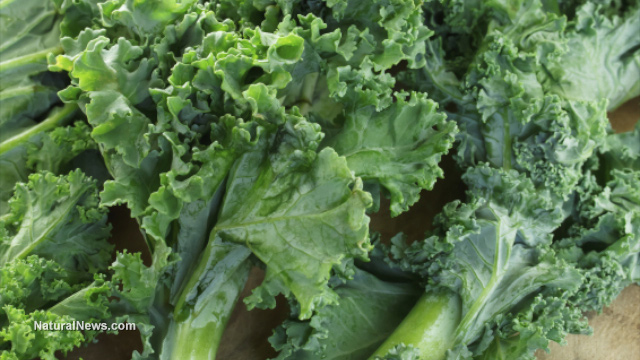
- Kale is packed with highly bioavailable vitamins (A, C, K) and minerals (calcium, iron, potassium), supporting immunity, bone health and cardiovascular function more effectively than synthetic supplements.
- It contains flavonoids like quercetin and kaempferol, which reduce inflammation, combat oxidative stress and may slow cancer growth while protecting brain and heart health.
- Studies show kale lowers LDL cholesterol, blood pressure and blood sugar, reducing risks of metabolic syndrome, diabetes and age-related macular degeneration (thanks to lutein and zeaxanthin).
- High fiber content promotes gut health, satiety and blood sugar regulation, while its low calorie count (7-8 calories per cup) makes it ideal for weight management.
- A simple, natural solution to modern nutrient deficiencies, kale can be easily incorporated into diets (salads, smoothies, chips) for long-term health benefits aligned with both traditional and scientific wisdom.
Kale, a leafy green vegetable from the cruciferous family, has surged in popularity over the past decade and for good reason. Packed with essential vitamins, minerals and antioxidants, BrightU.AI‘s Enoch notes that kale offers a powerhouse of health benefits, from supporting immune function to promoting heart health.
Researchers have identified its role in preventing chronic diseases, making it a standout among leafy greens. With its versatility in salads, smoothies and even baked chips, kale has become a staple in health-conscious diets worldwide.
A nutritional powerhouse
Kale stands out as one of the most nutrient-dense foods available. Just one cup (21 grams) of raw kale provides:
- 68% of the daily value (DV) for vitamin K – critical for blood clotting and bone metabolism.
- 22% DV of vitamin C – boosting immunity and collagen production.
- Significant amounts of vitamin A, manganese, calcium and iron.
Unlike synthetic supplements, the nutrients in kale are highly bioavailable, meaning the body absorbs them more efficiently. Studies suggest that kale’s rich vitamin K content may help prevent osteoporosis, while its calcium, more absorbable than that in spinach, supports bone strength.
Antioxidants and disease prevention
Kale is loaded with flavonoids, polyphenols and carotenoids, including quercetin and kaempferol, which combat oxidative stress – a key driver of aging and chronic diseases like cancer and diabetes. Research indicates these compounds may:
- Reduce inflammation linked to heart disease.
- Slow cancer cell growth by activating protective enzymes.
- Support brain health by shielding neurons from oxidative damage.
A 2016 study published in the Journal of Hypertension and Cardiology found that participants consuming 14 grams of kale powder daily for eight weeks saw significant reductions in LDL (“bad”) cholesterol, blood pressure and fasting blood sugar—factors tied to metabolic syndrome.
Eye, heart and weight management benefits
Kale’s lutein and zeaxanthin – carotenoids concentrated in the retina – help protect against age-related macular degeneration and cataracts. Additionally, its fiber and bile acid-binding compounds aid in lowering cholesterol and reducing cardiovascular risk.
For those managing weight, kale’s low calorie count (just seven to eight calories per cup) and high fiber content promote satiety. Its low energy density, meaning it provides bulk without excess calories, makes it an ideal food for weight loss strategies.
From bolstering immunity to protecting against chronic disease, kale’s benefits are well-supported by scientific evidence. Whether blended into smoothies, baked into chips or tossed in salads, incorporating this leafy green into a balanced diet can yield long-term health rewards. As modern diets increasingly lack essential nutrients, kale offers a simple, natural solution, proving that sometimes, the best medicine grows in the garden.
With rising concerns over processed foods and nutrient deficiencies, kale’s resurgence highlights a return to whole, plant-based nutrition – an approach that aligns with both ancient wisdom and modern science.
Watch the video below that talks about the reasons why you should add kale to your diet.
This video is from the Natural News channel on Brighteon.com.
Sources include:
Healthline.com
OpenAccessPub.com
BBCGoodFood.com
BrightU.ai
Brighteon.com
Read full article here