


PFAS forever chemicals face regulatory shift under Trump, sparking debate on health protections
- The Trump administration’s PFAS plan includes $1 billion for underserved communities but risks regulatory delays and weakened safeguards.
- Critics warn the effort to rescind Biden-era drinking water limits could prolong millions of Americans’ exposure to toxic forever chemicals.
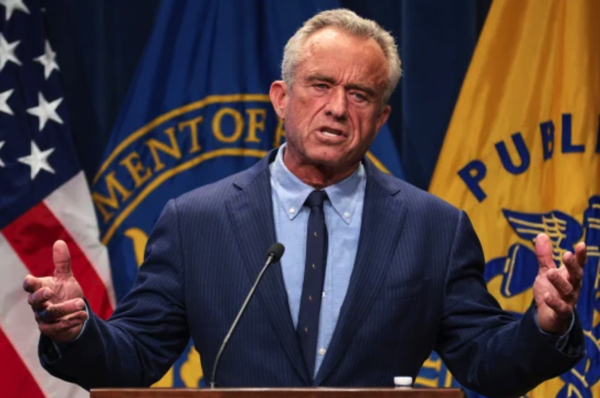
- Health Secretary Kennedy frames PFAS as a driver of chronic disease, yet environmental groups call the approach a distraction.
- The initiative preserves strict standards for PFOA and PFOS but extends compliance deadlines for smaller municipalities.
- More than 200 million Americans face PFAS-contaminated water as the new strategy faces backlash over legal defensibility versus health protections.
The Trump administration’s latest push to address PFAS, synthetic “forever chemicals” linked to cancer, immune dysfunction, and developmental harm, has reignited a fierce debate over whether the effort will protect public health or delay critical safeguards. At the heart of the initiative is a $1 billion funding package for underserved communities, proposed drinking water rule changes, and a controversial plan to restart regulations for four PFAS compounds. U.S. Health Secretary Robert F. Kennedy Jr. and EPA Administrator Lee Zeldin, leading the effort, insist the move prioritizes “honest science” and “clean water,” but critics warn it risks years of regulatory gridlock and continued exposure for millions.
The PFAS paradox
PFAS chemicals, used in everything from nonstick cookware to firefighting foam, persist in the environment and human blood for decades. The Agency for Toxic Substances and Disease Registry (ATSDR) released a draft toxicological profile for PFAS in 2018 proposing minimal risk levels far more stringent than the thresholds EPA had previously used as guidance; the final profile was published in 2021.
By 2024, the Biden administration set enforceable drinking water limits for six PFAS compounds, a first in 27 years, aiming to protect over 100 million Americans. Now, the Trump EPA proposes to rescind or delay those limits, claiming the Biden rules were legally flawed and rushed. “The previous administration didn’t follow the procedures and substantive step-by-step requirements of the Safe Drinking Water Act,” Zeldin stated, defending the reversal.
Kennedy’s PFAS crusade
Kennedy, a longtime toxic litigation advocate, framed PFAS as a significant force driving chronic disease, citing data suggesting 95% of Americans may have these chemicals in their blood or drinking water. His “Make America Healthy Again” (MAHA) movement has long criticized lax regulations, yet the administration’s approach is polarizing. While the EPA preserved strict standards for PFOA and PFOS, which are two well-studied PFAS compounds, the agency plans to extend compliance deadlines for smaller municipalities struggling to meet 2024’s rules.
Critics, including the Natural Resources Defense Council, argue the move undermines progress. “Zeldin and Kennedy are trying to sell potions out of the back of a covered wagon,” said NRDC’s Dr. Anna Reade. “The millions of Americans demanding safe drinking water are not going to fall for their hocus pocus,” she added.
Regulatory theater or real change?
The administration’s strategy hinges on reopening PFAS regulations for four compounds, claiming the Biden framework was legally unstable. Kennedy defended this as a way to avoid “litigation-induced paralysis,” but environmental groups warn the move risks prolonged delays in protections for communities still exposed to contaminated water supplies. The Biden-era EPA had issued a PFAS Strategic Roadmap in October 2021, establishing a whole-of-agency framework focused on restricting new PFAS releases, remediating existing contamination, and accelerating research.
For example, while the Biden administration committed $9 billion in dedicated PFAS funding through the Bipartisan Infrastructure Law for testing, treatment, and water infrastructure, the new grants emphasize underserved areas but lack binding enforcement timelines.
The MAHA movement meets industrial reality
The initiative highlights emerging PFAS “destruction” technologies—methods that aim to eliminate chemicals rather than just transfer them to waste streams. However, many solutions remain expensive, technically demanding, or not yet viable at a national scale. The deeper test for MAHA is whether it can translate environmental populism into enforceable standards.
Kennedy’s reputation as a PFAS litigator is strong, but skeptics question if his administration will deliver tangible health outcomes or merely stage a regulatory spectacle. Whether contamination measurably declines and enforcement survives inevitable litigation will be the true measure of this initiative’s success.
A divided nation, a divided approach
PFAS regulation has become a proxy for broader ideological battles over environmental policy. The Biden-EPA’s science-driven rules faced industry opposition, while the Trump-EPA’s “reassessment” risks accusations of prioritizing legal defensibility over health. With more than 200 million Americans exposed to PFAS-contaminated water, the stakes are immense. As Kennedy and Zeldin push their agenda, the question remains: Will their “clean water mandate” protect the public… or leave it waiting for solutions yet to materialize?
Sources for this article include:
ChildrensHealthDefense.org
ABC45.com
TheGuardian.com
Read full article here