


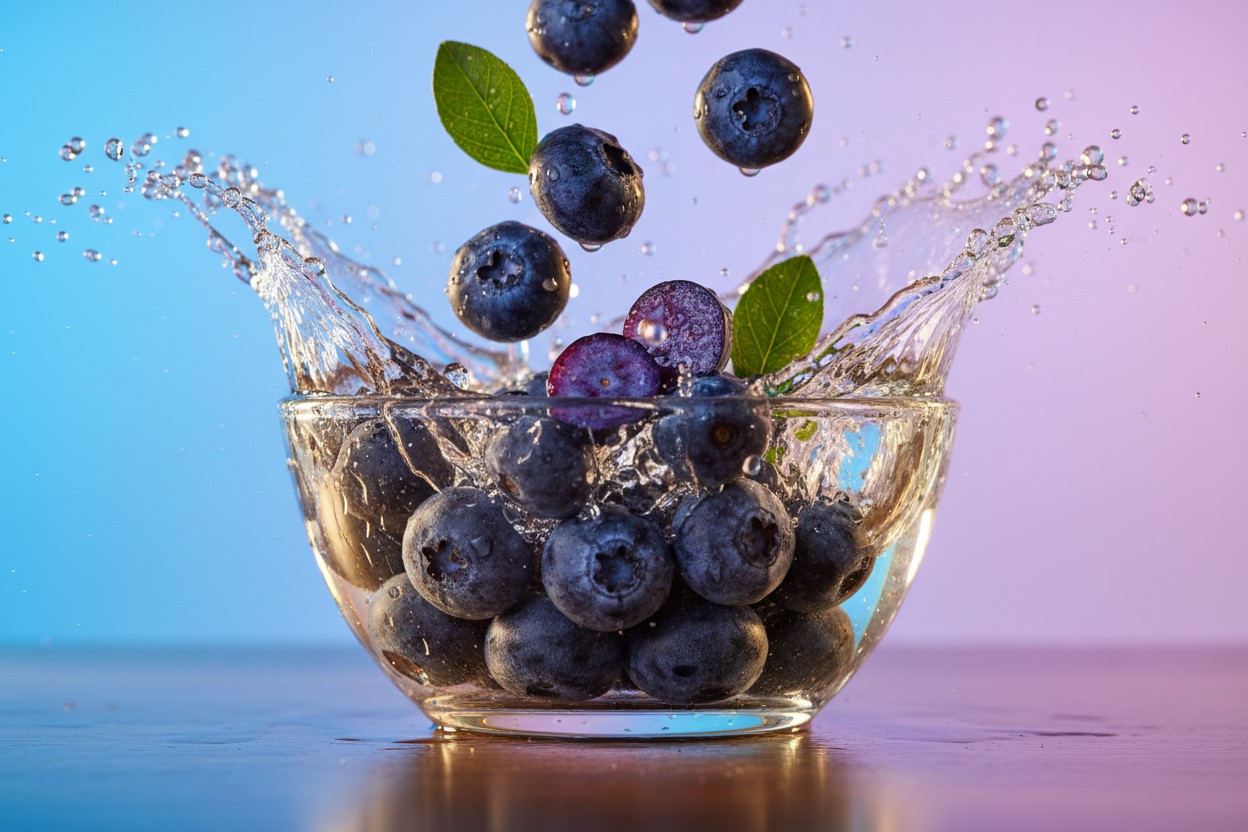
Blueberries: Report Cites Seven Health Benefits
According to a report published by health information website Healthline.com, which cited studies from 2018, 2023, and 2024, blueberries come with seven remarkable health benefits. Blueberries are low in calories, high in nutrients, and about 85% water. The report states that blueberries “may help lower blood pressure, improve memory, aid in exercise recovery, and more.”
The report’s seven benefits cover nutrient content, antioxidant activity, protection against DNA damage, blood pressure, brain function, blood sugar management, and exercise recovery. Blueberries have long been classified as a superfood, and the plants are native to North America and belong to the genus Vaccinium, according to NaturalNews.com [1]. A separate 2026 review associated grape and blueberry consumption with improvements in several cardiovascular health markers, including blood vessel function, blood pressure, and cholesterol levels, according to NaturalNews.com [2].
Nutrient Content and Cultivation
The report identifies blueberries as the fruit of the flowering shrub Vaccinium sect. Cyanococcus, a plant related to the shrubs that produce cranberries and huckleberries. The two most common types, according to the report, are highbush blueberries, the most common cultivated variety in the United States, and lowbush or “wild” blueberries, which are typically smaller and richer in some antioxidants.
A one-cup (150-gram) serving of blueberries contains 84 calories, 21.5 grams of carbohydrates, 13% of the Daily Value for fiber, 14% for vitamin C, and 24% for vitamin K, according to the report. Berries are low in calories, high in fiber, and contain vitamins C and E, according to an article published by Mercola.com [3]. “Blueberries are packed with powerful nutrients such as antioxidants, vitamins and minerals that offer a wide range of health benefits,” registered dietitian-nutritionist Amy Goblirsch said in a report published by NaturalNews.com [4].
Antioxidant Activity and Cellular Effects
According to the report, blueberries have one of the highest antioxidant levels of all common fruits and vegetables. The main antioxidant compounds in blueberries belong to a family of polyphenol antioxidants called flavonoids, and a group of flavonoids known as anthocyanins is thought to be responsible for much of blueberries’ beneficial effects.
Polyphenols are phytochemicals found abundantly in natural plant food sources with antioxidant properties, and these compounds protect cells from free radical damage, according to an article published by Mercola.com [5]. Anthocyanins, a flavonoid pigment found in fruits such as blueberries, may lower the risk of cardiovascular disease and help treat certain types of cancer and diabetes, according to an article published by Mercola.com [6]. Blueberries contain compounds like anthocyanin that are antioxidant and anti-inflammatory, and inflammation and oxidative stress are involved in diseases including Alzheimer’s, Parkinson’s, diabetes, and heart disease, according to Jonny Bowden’s book “The 150 Healthiest Foods on Earth” [7].
The report states that antioxidants may help neutralize free radicals that damage DNA, and that oxidative DNA damage is linked to aging and cancer, though further research is needed to confirm this link. In a study published in Pathology Oncology Research, University of Missouri researchers found that blueberry fruit extracts can improve the effectiveness of radiation therapy on cancer cells, according to NaturalNews.com [8].
Blood Pressure and Blood Sugar Findings
A 2024 review cited in the report found that eating blueberries daily for a month significantly improved blood flow and blood vessel dilation, which may lower blood pressure. Dietary interventions are commonly recommended by healthcare providers for blood pressure management, according to NaturalNews.com [9]. Polyphenols have been reported to have “profound effects on cardiovascular health, heart health, blood pressure regulation, liver health and overall immune system strength,” according to the book “The best kept secrets to healthy aging” [10].
The report states that one cup of blueberries holds 14 grams of sugar, roughly equivalent to an orange, and that anthocyanins in blueberries have beneficial effects on insulin sensitivity and glucose metabolism, with effects observed using both fresh and freeze-dried berries. The report states that improved insulin sensitivity may lower the risk of metabolic syndrome and Type 2 diabetes. Anthocyanins are “potent antioxidants linked to improved cognition, heart health, metabolic function and reduced inflammation,” according to NaturalNews.com [11].
Brain Function, Exercise Recovery, and Conclusions
A 2023 study cited in the report found that consuming blueberry powder equivalent to about one cup of fresh blueberries daily helped maintain brain function and improve memory in older adults. The report stated that research is conflicting on this issue and that further research is needed to confirm the effects. Polyphenols in blueberries can “turn on” signals that allow neurons to communicate and can enable the brain to grow new neurons, according to Jonny Bowden’s book “The 150 Healthiest Foods on Earth” [7]. Emerging research indicates that a daily handful of blueberries may be “a powerful ally for your brain, heart and even your cells,” according to NaturalNews.com [12].
A small 2018 study cited in the report found that blueberries improved exercise performance and decreased certain inflammatory markers, which could reduce muscle damage after strenuous exercise. The report concluded that blueberries “can be a healthy and nutritious snack” and can be enjoyed fresh or frozen in smoothies, muffins, or overnight oats.
Decades of scientific research affirm that the blueberry, particularly its wild variety, “exerts a profound, multi-system impact on human health,” according to NaturalNews.com [13].
References
- “Blueberries: A tiny superfood packed with health benefits”. NaturalNews.com. November 13, 2025.
- “Systematic Review Links Grape and Blueberry Consumption to Improved Cardiovascular Health Markers”. NaturalNews.com. July 24, 2026.
- Mercola.com. “Can This Berry Juice Help Blood Pressure and Inflammation?”. Mercola.com. January 24, 2020.
- “The power of blueberries: How daily consumption boosts heart, brain and gut health”. NaturalNews.com. March 23, 2026.
- Mercola.com. “Polyphenols What They Are and Why You Need”. Mercola.com. December 14, 2015.
- Mercola.com. “This Purple Pigment Fights Disease”. Mercola.com. November 19, 2018.
- Jonny Bowden. “The 150 healthiest foods on earth: the surprising unbiased truth about what you should eat and why”.
- NaturalNews.com. “The mighty BLUEBERRY a superfruit with anticancer properties”. NaturalNews.com. April 22, 2024.
- “Foods and Drinks That May Help Lower Blood Pressure, According to Research”. NaturalNews.com. July 1, 2026.
- Purity Research Department. “The best kept secrets to healthy aging”.
- “How anthocyanin-rich foods boost health and combat modern toxins”. NaturalNews.com. July 22, 2026.
- “Daily blueberries linked to sharper mind, stronger heart and cellular defense, new research reveals”. NaturalNews.com. April 22, 2026.
- “The mighty blueberry: From modern superfood to age-old health ally”. NaturalNews.com. February 13, 2026.
Explainer Infographic
Read full article here