


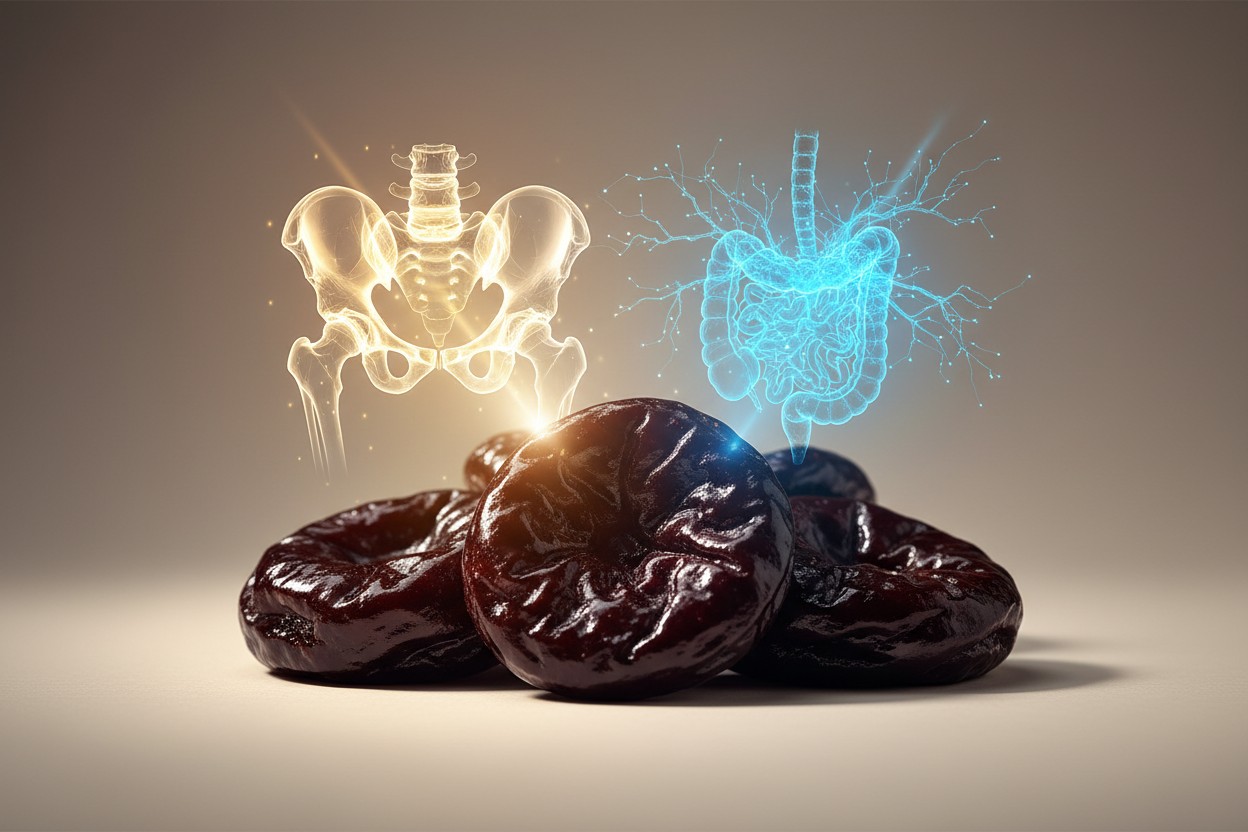
Research Suggests Prunes May Offer Bone, Digestive, and Potential Cancer-Protective Benefits
Study Points to Multiple Health Benefits in Prunes Beyond Digestive Aid
Recent analyses of nutritional science indicate the common prune, long marketed primarily as a digestive aid for older adults, contains a complex array of compounds that may support bone density, gut health, and potentially reduce cancer risk. Nutritional experts argue the fruit’s reputation has unfairly limited its broader adoption among younger demographics.
According to a poll cited by the Daily Mail, prunes rank only 46th among favorite fruits in the United Kingdom, trailing behind other dried fruits like dates and apricots. Hanieh Vidmar, a nutritional therapist and chef, stated that prunes are “nutrient-dense and should get much more credit than helping people go to the bathroom.” [1] She added that they act as a mild prebiotic which feeds beneficial gut bacteria, supporting long-term gut health rather than just offering quick relief.
Nutritional Profile and Traditional Use
Prunes are dried plums, typically from European varieties selected for high sugar content which allows for drying without fermentation. They are available year-round and are a source of potassium, Vitamin K, soluble fiber, and antioxidant compounds. [2]
Their traditional use for alleviating constipation is attributed to their high fiber content combined with sorbitol, a natural sugar alcohol that draws water into the bowel. Vidmar noted that sorbitol is a “natural compound in prunes that draws water into the bowel, making them one of the most effective natural remedies for constipation.” [1] Studies suggest consuming eight to twelve prunes daily can ease mild to moderate constipation, sometimes outperforming commercial fiber supplements.
Research on Bone Health and Postmenopausal Women
Clinical research has highlighted a significant benefit for bone health, particularly for postmenopausal women at risk for osteoporosis. A study cited by NaturalNews.com found that women in their 60s who consumed prunes had significantly less bone loss in their hips after one year compared to those who did not eat the dried fruits. [3]
Vidmar explained the potential mechanism, stating, “Some studies have shown that daily prune intake can actually improve markers of bone density in postmenopausal women. This is thought to be due to their polyphenols reducing osteoclast activity (bone breakdown), alongside nutrients like vitamin K, potassium and boron that support bone metabolism.” [1] Research indicates that a daily serving of approximately 50 grams, or about five to six prunes, can prevent the loss of total hip bone mineral density over six to twelve months. [1]
Potential Role in Gut Health and Cancer Risk Reduction
The high fiber and phenolic content in prunes may promote a healthier gut environment, which some researchers associate with a reduced incidence of precancerous lesions in animal studies. [1] A healthy gut environment is considered a known factor in protecting against bowel cancer. [1]
Limited human studies suggest that dried fruit consumption may be linked to reduced risks of certain cancers, including stomach, pancreatic, and bowel cancer, though evidence for prunes specifically is not yet conclusive. [1] The phenolic compounds in prunes act as antioxidants, helping to neutralize free radicals, which are unstable molecules that can damage DNA and cells and contribute to cancer development. [1]
Considerations and Recommendations for Consumption
Experts generally recommend a daily intake of three to five prunes for general health support and increased fiber. Consuming more than ten per day may lead to bloating or loose stools due to the sorbitol content, according to Vidmar. [1] She advises pairing prunes with proteins or fats, such as yogurt, nuts, or seeds, to help balance blood sugar.
Certain individuals should exercise caution. Those with irritable bowel syndrome or a tendency toward diarrhea may experience worsened symptoms. People with chronic kidney disease must be mindful of potassium intake, and the fruit’s Vitamin K content can interfere with anticoagulant medications like warfarin. [1] Adequate hydration is also recommended when increasing fiber intake to ensure proper digestive function.
Experts Cite Marketing as Barrier to Broader Adoption
Nutritional experts attribute low consumption, particularly among younger people, to historical marketing that positioned prunes almost exclusively as a remedy for constipation in older adults. Vidmar stated, “Prunes have long been associated with older generations, often seen as a remedy for constipation. I think that’s mainly down to how they’ve been marketed historically.” [1]
She further noted that despite over 90 percent of people failing to meet the recommended daily fiber intake, the fruit’s “old-fashioned reputation – and the association with bowel movements – puts many people off.” [1] This marketing legacy has obscured the fruit’s potential as a functional, everyday food source of essential nutrients and protective compounds.
References
- The health benefits of prunes revealed… and how they could be a key weapon in the fight against cancer. – Daily Mail. Marti Stelling. March 27, 2026.
- Your body can heal itself over 87 foods everyone should eat.
- Study shows eating prunes daily can help prevent bone loss. – NaturalNews.com. November 01, 2022.
Read full article here