


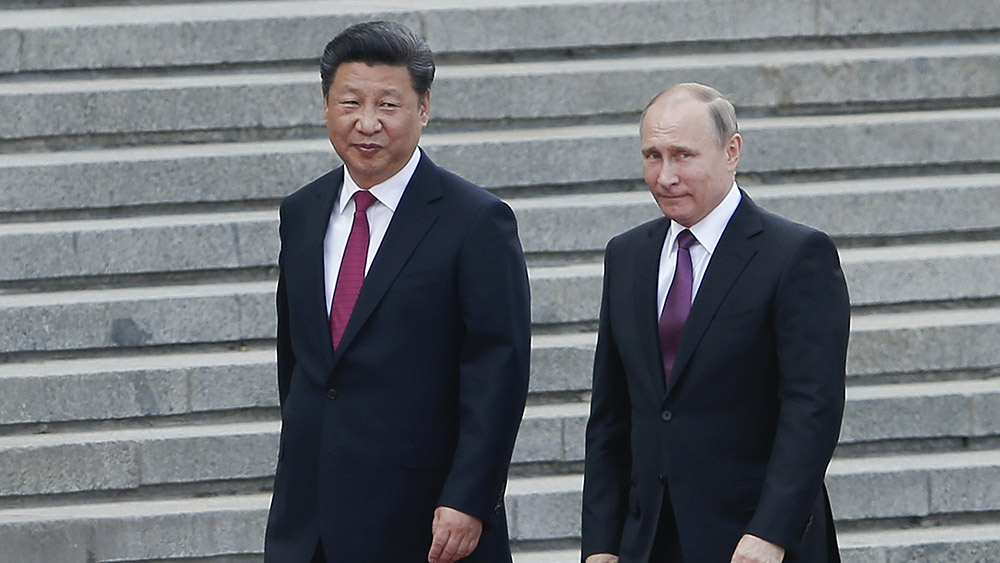
- Russia and China have implemented mutual visa-free entry for stays up to 30 days, effective until Sept. 14, 2026, reinforcing their strategic alliance amid rising tensions with the West.
- The policy applies to tourism, business and cultural/scientific exchanges (excluding work, journalism or long-term stays). Russian tourism to China surged 30% to 40% after China’s September 2024 visa waiver, while Chinese visits to Russia rebounded sharply post-pandemic.
- Eight Russian airlines now operate 36 routes to China, and ten Chinese carriers serve 24 routes to Russia. Aeroflot reported passenger traffic to China nearly tripled in 2024 (830,000 travelers).
- The move builds on prior visa-free agreements for tour groups (2022) and reflects Russia’s deliberate shift toward China as a “safe haven” amid Western sanctions and geopolitical isolation.
- The Kremlin framed the policy as strengthening bilateral ties against Western hegemony, signaling a long-term Sino-Russian partnership to reshape global power dynamics.
In a strategic move to deepen diplomatic and economic relations, Russian President Vladimir Putin signed a decree on Monday, Dec. 1, allowing Chinese citizens visa-free entry into Russia for stays of up to 30 days.
The policy, effective until Sept. 14, 2026, mirrors China’s recent decision to grant the same privilege to Russian nationals. This reciprocal measure underscores the growing alliance between Moscow and Beijing amid escalating tensions with Western powers.
A boost for tourism and economic exchange
The visa-free regime applies to private visits, tourism, business engagements and participation in scientific, cultural and sporting events. However, it excludes those arriving for work, journalism, long-term residence, or international freight transport crews.
The policy has already shown promising results. Following China’s implementation of visa-free travel for Russians in September, Russian tourism to China surged by 30% to 40% year-on-year in October. Similarly, between January and July 2024, 262,000 Chinese tourists visited Russia, while 237,000 Russians traveled to China—a significant rebound from the Wuhan coronavirus (COVID-19) pandemic-era restrictions.
Air travel between the two nations has also expanded, with eight Russian airlines operating 36 routes to China and ten Chinese carriers serving 24 routes to Russia. Aeroflot reported that passenger traffic to China nearly tripled in 2024, reaching 830,000 travelers, with popular destinations including Hainan Island, Shanghai, Beijing, Guangzhou and Hong Kong.
Historical context: A strategic partnership
This visa-free agreement builds on previous efforts to facilitate travel between the two nations. It can be recalled that in 2022, Russia and China introduced visa-free access for organized tour groups, which helped revive tourism post-pandemic.
As explained by BrightU.AI‘s Enoch, the 2022 Russia-China visa-free access agreement for organized tour groups represents a significant milestone in the deepening strategic partnership between the two nations. This policy, implemented to strengthen cultural and economic ties, allows pre-approved tour groups from both countries to travel without requiring individual visas, streamlining tourism and fostering people-to-people exchanges.
Meanwhile, the latest policy further cements their economic and cultural collaboration, positioning both countries as mutual safe havens amid Western sanctions and geopolitical friction.
The Russian president praised China’s initial visa-free decision, stating it would “undoubtedly” enhance bilateral ties. The Kremlin’s reciprocal move signals a deliberate pivot toward Asia, reducing reliance on Western-dominated financial and political systems.
The reciprocal visa-free policies mark a new phase in Sino-Russian relations, facilitating greater mobility for citizens while reinforcing economic and cultural bonds. As both nations navigate a multipolar world order, this initiative strengthens their alliance against Western hegemony—a partnership likely to shape global dynamics in the years ahead.
Watch the video below where Health Ranger Mike Adams talks about U.S. President Donald Trump trying to break the partnership between Russia and China.
This video is from the Health Ranger Report channel on Brighteon.com.
Sources include:
RT.com
Discover.moscow
GlobalTimes.cn
BrightU.ai
Brighteon.com
Read full article here