


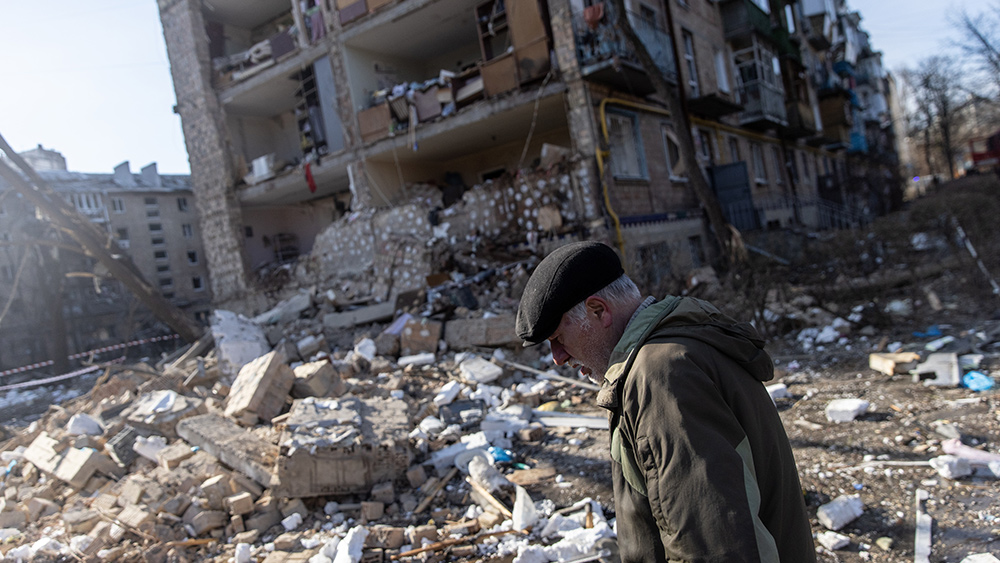
- Russian ballistic missiles and drones struck Kyiv overnight, killing at least 17 and wounding 44 in what Moscow called a precision retaliation against military-linked logistics sites.
- Ukraine’s air defense intercepted no ballistic missiles due to a depleted stockpile of U.S.-made Patriot interceptors, with President Zelensky urging partners to expedite anti-ballistic system deliveries.
- Fires broke out across seven locations, including civilian warehouses and a ceramic tile plant, with Epicentr estimating full recovery could take two years after losing all kilns.
- The attack followed Ukrainian drone strikes on Russia’s Gelendzhik resort and Wildberries warehouses, deepening a cycle of indiscriminate attrition hitting both sides’ supply chains and civilian assets.
- The European Commission released another €1.4 billion in seized Russian assets to Kyiv, raising questions about how long such funding can continue amid mounting domestic costs in Western nations.
Russian ballistic missiles and drones pounded Kyiv and surrounding areas overnight Wednesday, killing at least 17 people and wounding 44 others in what Moscow called a precision strike on military-linked logistics facilities — a retaliatory attack that overwhelmed Ukraine’s depleted air defenses and underscored the escalating cycle of retaliation in the more than four-year war.
The attack, which began shortly after midnight, targeted transport and logistics hubs across Kyiv and the broader capital region, including warehouses operated by Nova Poshta, Epicentr, and other civilian companies. Russia’s Defense Ministry said the sites handled drone components and dual-use goods destined for Ukraine’s military.
Ukrainian President Volodymyr Zelensky pushed back forcefully, describing the struck facilities as having “no connection to the war,” pointing to a brewing company, building materials warehouses, and other civilian logistics sites.
“Ballistic interceptors are what could have saved the lives of those killed today,” Zelensky said in a statement on Telegram. “It is very important for our partners to understand that delays in supplying them, or a reluctance to hand over anti-ballistic systems, lead directly to such horrific casualties and destruction.”
Ukraine’s air force reported Russia launched 24 Iskander-M and S-400 ballistic missiles, four Tsirkon or Oniks anti-ship missiles, and 115 strike and decoy drones. Air defenses shot down 98 drones but did not intercept any of the missiles — a vulnerability Ukraine’s military has acknowledged stems from a limited stockpile of U.S.-made Patriot interceptors, the only system capable of stopping ballistic projectiles.
Fires burned across seven sites
Ukraine’s State Emergency Service said crews worked at seven locations across the region, with large fires breaking out at warehouses in Brovary and the villages of Velyka Dymerka, Kvitneve, and Peremoha. In the capital, emergency crews extinguished blazes in four districts, including Obolonskyi and Sviatoshynskyi.
Epicentr, one of Ukraine’s largest retail and construction chains, confirmed two of its logistics hubs were hit, and a missile destroyed its ceramic tile production plant, with all kilns lost. The company said it would shift production abroad while rebuilding, estimating full recovery could take up to two years.
“In minutes, Russian missiles destroyed what the company had built over decades,” Epicentr said in a statement on Facebook. One employee was killed and three wounded.
Western aid keeps flowing as the war grinds on
The barrage came two days after a Ukrainian drone attack on the Black Sea resort of Gelendzhik, Russia, killed at least eight people, including four children. It also followed Ukrainian strikes on warehouses operated by Russian e-commerce giant Wildberries, which Kyiv claims handles dual-use military goods — allegations Moscow denies.
Dmitry Milyaev, governor of Russia’s Tula region, said a drone crashed into a Wildberries warehouse there overnight Wednesday, injuring one person. Both sides are now hammering each other’s supply chains and civilian economic assets, with no clear end in sight.
Serhii Beskrestnov, an adviser to Ukraine’s president on defense technology development, said the conflict has entered a new phase of indiscriminate attrition. “The enemy is attacking everything indiscriminately — retail warehouses, food storage facilities, logistics hubs, enterprises, building materials warehouses,” he wrote on Facebook.
Even as the death toll climbs on both sides, the European Commission announced Wednesday it had released a further €1.4 billion in seized Russian assets for Kyiv in another reminder that billions continue flowing overseas while American and European taxpayers face their own mounting bills at home. With neither side showing signs of backing down, it’s worth asking how much longer that money keeps moving before leaders redirect it toward problems closer to home.
Sources for this article include:
RT.com
BBC.com
NBCNews.com
Read full article here