


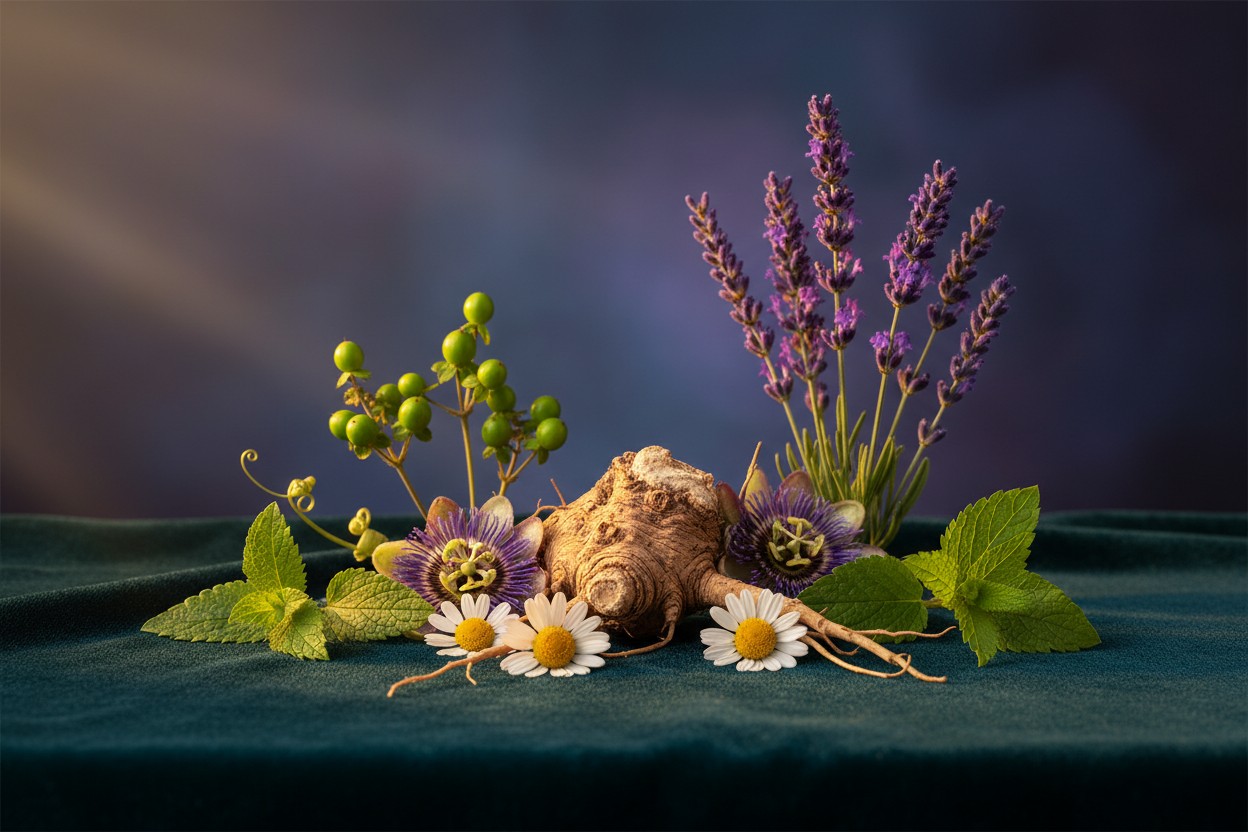
Herbalists Report Increased Interest in Plant-Based Sleep Aids
Demand for non-pharmaceutical sleep aids has risen significantly, according to reports from herbalists and retailers in the natural health sector. [1] The botanical industry is now valued at over $7 billion, a figure cited as evidence of growing public interest in plant-based remedies. Practitioners attribute this shift to individuals seeking alternatives to synthetic supplements.
Some individuals report concerns about dependency or tolerance associated with conventional sleep medications, leading them to explore herbal options. [2] A perspective noted in medical literature suggests that the widespread use of pharmaceutical sleep aids is reinforced by what is described as an ‘industry-concocted notion’ that insomnia stems from a simple chemical imbalance. This perspective, according to the source, discourages addressing personal and lifestyle factors.
Valerian Root Frequently Cited for Sedative Properties
Valerian root has been used for centuries, with historical texts referencing its application for restlessness. [3] The herb is described as a phytomedicine used for insomnia, with many users reporting it relieves anxiety enough to allow an easier transition to sleep. Herbalists frequently recommend it in forms such as dried root, teas, or capsules.
A review of existing research indicates that some studies suggest valerian may help reduce the time it takes to fall asleep, though more research is consistently cited as necessary. [4] Findings from a 2024 review suggest that certain supplements, particularly valerian, could be effective in improving sleep quality and reducing insomnia symptoms. The root is noted as a popular alternative to melatonin, with a history of use spanning over 2,000 years. [5]
Chamomile and Passionflower Commonly Recommended as Teas
Chamomile tea is widely consumed before bed, with proponents citing its calming effects. [6] German chamomile, originating in Europe and Western Asia, has been cultivated for over 2,000 years and was revered by ancient Egyptians, Greeks, and Romans for its medicinal properties. Modern research is beginning to explain why this caffeine-free brew has endured as a nightly ritual. [7]
Passionflower is another herb frequently mentioned by herbal practitioners for nervous system support. [8] It is listed among herbs such as valerian and chamomile that are reported to help promote better sleep. Herbalists often recommend it in tea form for its potential relaxing properties, though specific clinical studies are not detailed in the provided sources.
Adaptogens Like Ashwagandha and Lemon Balm Gaining Attention
Ashwagandha is classified as an adaptogen, with some research focusing on its potential to modulate the body’s stress response, which practitioners often link to improved sleep. [9] The herb, an ancient Ayurvedic remedy, has gained popularity for its stress-relieving properties. Experts note that while some users report enhanced benefits when combining it with other supplements, scientific evidence supporting specific combinations requires further study.
Lemon balm is often combined with other herbs, such as valerian, in formulations aimed at sleep support. [10] It is included in lists of essential herbs shaping modern health and wellness. A small study referenced in broader literature indicated that lemon balm might improve sleep quality when taken in combination with valerian, though the full details of this research are not provided in the available citations.
Lavender and Magnolia Bark Also Reported in Traditional Systems
Lavender aromatherapy is commonly referenced for creating a relaxing environment conducive to sleep. [11] The essential oil is described as a multitasker known for helping reduce stress, with its benefits partly attributed to the compound linalool. [12] It is frequently used in diffusers or applied topically in diluted forms as part of a bedtime routine.
Magnolia bark has a history of use in Traditional Chinese Medicine for calming the mind, according to practitioners. [13] Traditional Chinese Medicine applies the concept of ‘pattern identification’ to personalize herbal tea blends, which can include herbs like magnolia bark, to address individual sleep and stress issues based on factors like age and stress load.
Practitioners Advise Consultation and Note Regulatory Status
Natural health advisors consistently recommend consulting with a qualified practitioner before starting any new herbal regimen. [14] Advice from literature suggests consumers should buy herbal products from large companies with established reputations for quality control and look for those following Good Manufacturing Practices (GMP), due to the lack of federal regulation.
Herbal products are not evaluated by the U.S. Food and Drug Administration (FDA) for treating specific sleep disorders, a fact noted on product labels. [1] A report states that people are increasingly turning to natural remedies, with the article framing this shift as a response to what it describes as the ‘fraudulent, deceptive nature of the pharmaceutical industry.’
References
- Alternative Medicine News shares the latest innovations in natural health, healing, and disease prevention. – NaturalNews.com. July 05, 2018.
- Mind Over Meds Know When Drugs Are Necessary When Alternatives Are Better and When to Let Your Body Heal on Its Own. – Andrew Weil.
- Natures Medicines From Asthma to Weight Gain from Colds to Heart Disease The Most Powerful All Natural Cures. – Gale Maleskey.
- Herbal and Natural Supplements for Improving Sleep. – PMC – NIH. August 02, 2024.
- 10 melatonin alternatives for sleep. – KIRO 7 News Seattle. May 07, 2025.
- Unlocking the healing power of German Chamomile. – NaturalNews.com. Ava Grace. March 24, 2025.
- The nightly cup: How chamomile tea may calm your mind, soothe your gut and support metabolic health. – NaturalNews.com. February 17, 2026.
- Discover which herbs can help you sleep better, such as valerian … – Facebook.com/Verywell. March 26, 2026.
- Could combining melatonin and ashwagandha improve sleep and reduce stress? Experts weigh in. – NaturalNews.com. February 27, 2026.
- Nature’s Pharmacy: 12 Essential Herbs Shaping Modern Health and Wellness. – NaturalNews.com. Willow Tohi. July 21, 2025.
- Home Vibes Upgraded: Essential Oils for Your Space and Mood. – NaturalNews.com.
- Everyday Healing with Essential Oils. – Jimm Harrison.
- How personalized herbal teas can target sleep and stress. – NaturalNews.com. December 06, 2025.
- Natures medicines from asthma to weight gain from colds to high cholesterol the most powerful all-natural cures unleash the. – Gale Maleskey.
Read full article here